
Dojo (道場): Japanese training hall for martial arts and traditional practice
A dojo (道場) literally means “place of the Way.” It is a Japanese training hall historically tied to temples and Buddhism, now used for martial arts, meditation, and disciplined group practice.
Overview
The term dojo (道場) is a Japanese word that literally means "place of the Way." A dojo is a hall devoted to disciplined practice and instruction. While today it is most commonly associated with martial arts such as judo, karate, aikido and kendo, the concept also applies to meditation, ritual arts and other structured training.
Image gallery
5 Images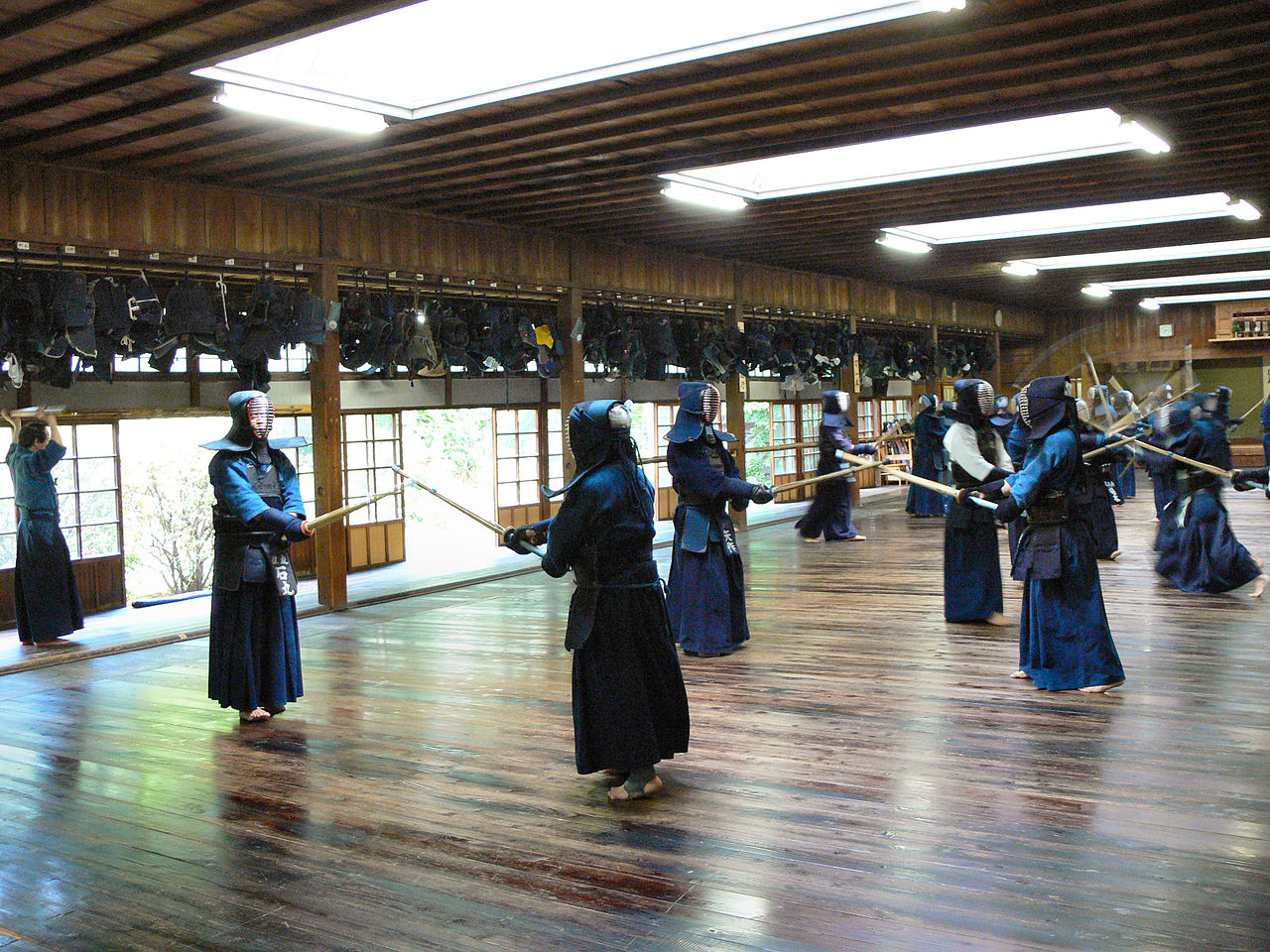


Characteristics and layout
Traditional dojo are simple and purpose-built to support learning and concentration. Common features include a defined front (shomen), a clean training surface (wood or tatami), a display area or altar often called a kamidana or shomen-gami, and storage for weapons and equipment. Uniforms (gi), belts indicating rank, and a written code (dojo kun) are frequently present.
History and development
The word originally described spaces used in Buddhist practice for meditation and instruction, sometimes attached to temples. Over time the term broadened to denote any formal training hall where a teacher guides students in a discipline that blends technique, etiquette and personal development. The modern martial-arts dojo grew from these religious and combative traditions into schools, clubs, and commercial academies.
Uses, examples and importance
- Daily training and drills for martial artists, including kata, sparring and weapons practice.
- Meditation, ritual training, and arts that require sustained, guided practice.
- Examinations, demonstrations, competitions, and community instruction for children and adults.
Etiquette and culture
Behavior in a dojo emphasizes respect and safety: removing shoes before entering, bowing on entry and exit, addressing instructors as sensei, and following rules for conduct. Many dojos post a dojo kun or set of guiding principles that summarize the ethical aims of practice.
Related terms and distinctions
Other East Asian cultures have comparable spaces (for example the Korean dojang or Chinese wuguan). Contemporary dojo range from traditional, meditative halls to modern training centers; despite this diversity, they share an emphasis on disciplined practice, hierarchical instruction, and a community devoted to learning.
Related articles
Author
AlegsaOnline.com Dojo (道場): Japanese training hall for martial arts and traditional practice Leandro Alegsa
URL: https://en.alegsaonline.com/art/28207