
Exhibition — organized public presentation of objects, ideas and products
An exhibition is a temporary or permanent arranged presentation of objects, works or services for public viewing, education, commerce or cultural exchange.
An exhibition is an organized presentation that brings together objects, works, ideas or products so they can be studied, sold, or enjoyed by visitors. Items on display are called exhibits. Exhibitions range from temporary themed shows in cultural institutions to long-term displays and commercial trade fairs. Many exhibitions are curated: a professional selects, arranges and interprets material to communicate a theme or narrative. Museums often host curated shows, while science institutions run hands-on and explanatory exhibits, and commercial organizers stage expositions that focus on products and services.
Image gallery
10 Images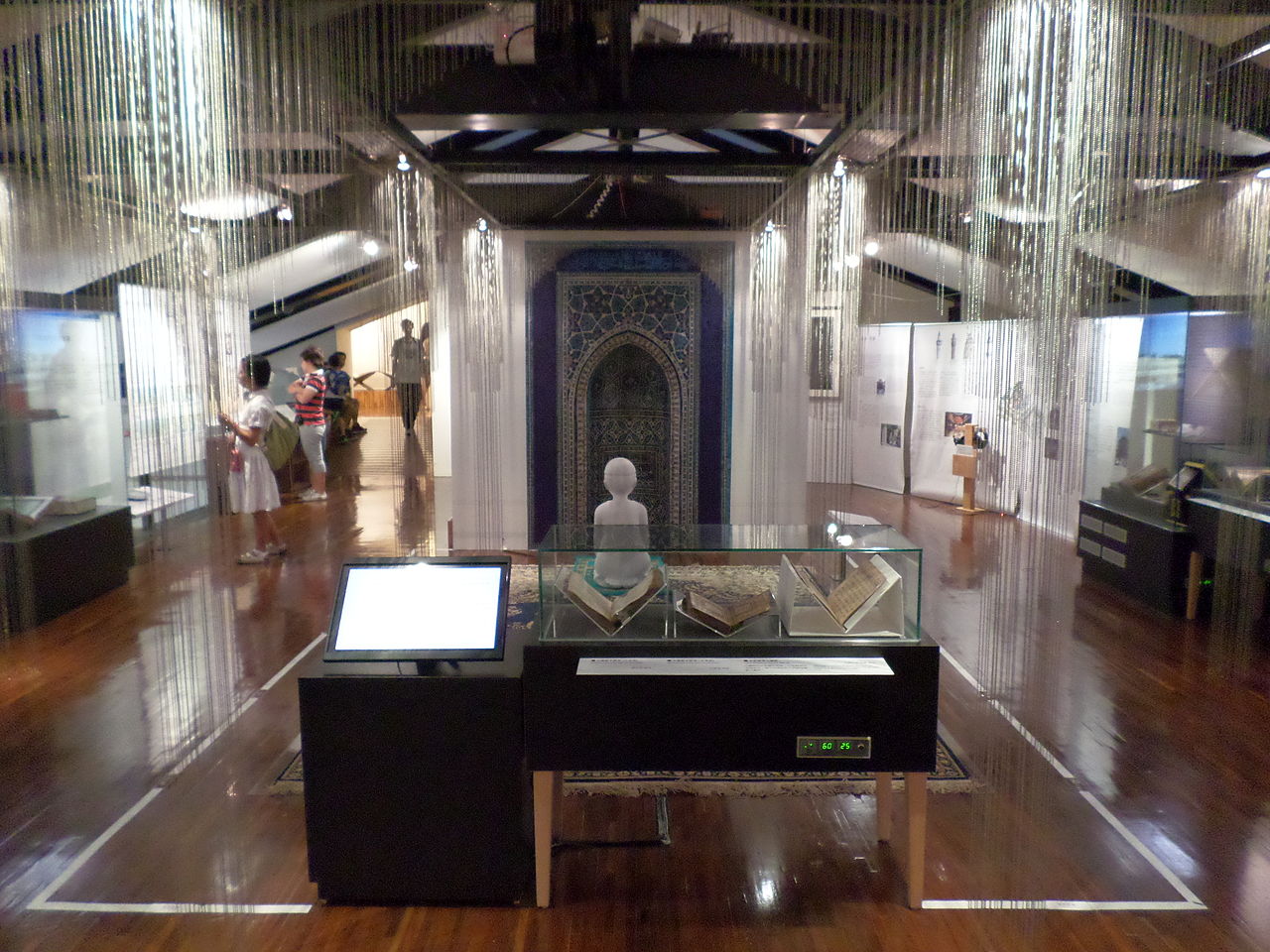


Key elements and typical layout
Although formats vary, most exhibitions include a combination of the following components. The way these elements are combined determines visitor experience and the exhibition’s purpose.
- Objects and media: original artifacts, reproductions, specimens, prototypes, artworks, interactive displays or audiovisual material.
- Interpretation: labels, wall texts, captions, multimedia guides and programs that explain context and significance.
- Design and installation: lighting, cases, plinths, circulation routes and signage that guide viewing and protect objects.
- Conservation and loans: measures to preserve sensitive material and legal agreements when items are borrowed from other collections.
- Support services: educational outreach, catalogues, ticketing, marketing and visitor facilities.
Historical development
Public presentation of selected objects has deep roots, from private cabinets of curiosity to the rise of public museums and libraries. The 18th and 19th centuries saw the institutionalization of exhibitions as museums became public and large international fairs showcased industrial and cultural achievements. Over time formats diversified: temporary thematic shows, traveling exhibitions that visit multiple venues, permanent galleries and large commercial expos all developed distinct professional practices and standards.
Types and uses
Exhibitions serve several functions. Art and history displays focus on interpretation, scholarship and cultural preservation. Science and technology exhibitions aim to explain concepts and invite experimentation; many science institutions produce interactive exhibits to engage learners about scientific ideas. Trade fairs (also called expositions or expos) are commercial: firms present new products, make business contacts and generate sales. Community and educational exhibitions amplify local voices and curricula.
Organization and audience considerations
Creating an exhibition involves curatorial planning, budgeting, insurance, conservation assessments and marketing. Organizers consider accessibility, audience demographics, visitor flow and evaluation methods to measure impact. Temporary shows often have opening events, public programs and catalogues; traveling exhibitions require additional logistics such as packing, transport and territorial regulations.
Distinctions and notable points
- An exhibition is broader than a single display; it implies a planned set of items and interpretive content.
- ‘Trade fair’ or ‘expo’ emphasizes commerce, while museum exhibitions emphasize education and preservation.
- Traveling exhibitions extend reach but demand more complex conservation and legal arrangements.
Related articles
Author
AlegsaOnline.com Exhibition — organized public presentation of objects, ideas and products Leandro Alegsa
URL: https://en.alegsaonline.com/art/32924