
Allen Ginsberg: Life, Work, and Influence of a Beat Generation Poet
Allen Ginsberg (1926–1997) was a central figure of the Beat Generation whose poem Howl and public activism reshaped American poetry, free speech law, and countercultural life in the mid-20th century.
Overview
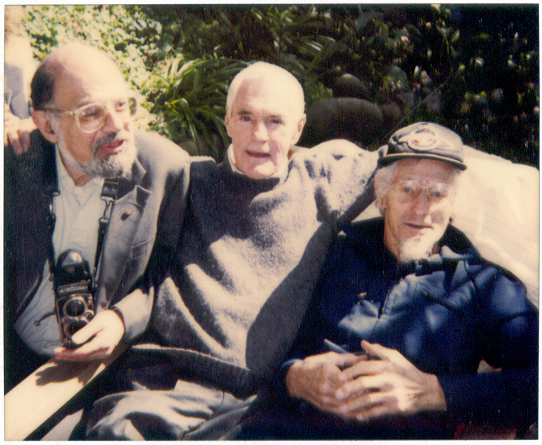
Allen Ginsberg was an American poet and author who became one of the best-known voices of the mid-20th century counterculture. A founding figure of the Beat Generation, Ginsberg combined frank personal confession, political protest and experimental form. His work was performed publicly, printed in small presses, and circulated widely in the United States and abroad. Ginsberg also maintained friendships and collaborations across literature, music and activism, including figures such as Jack Kerouac and William S. Burroughs.
Image gallery
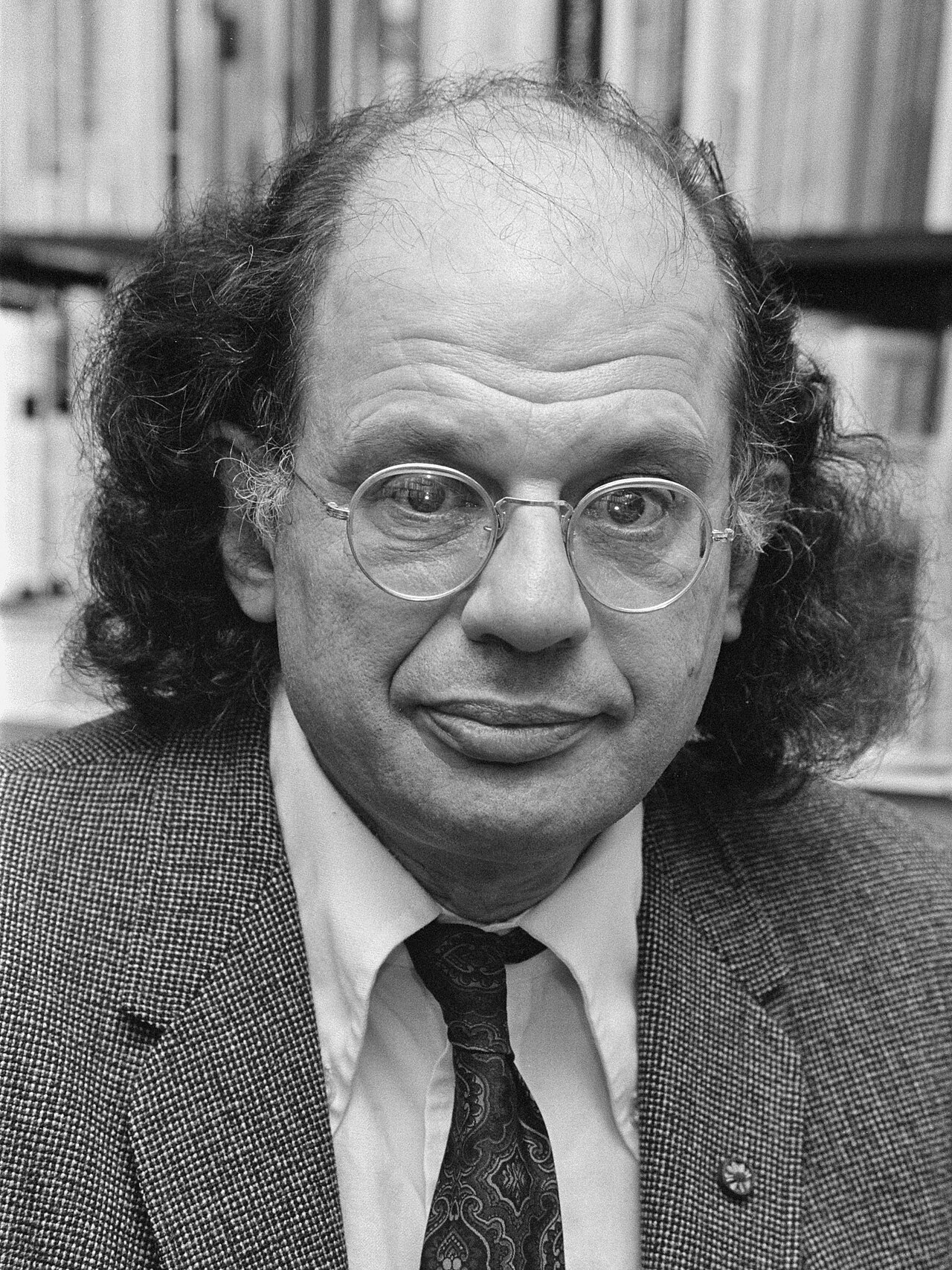
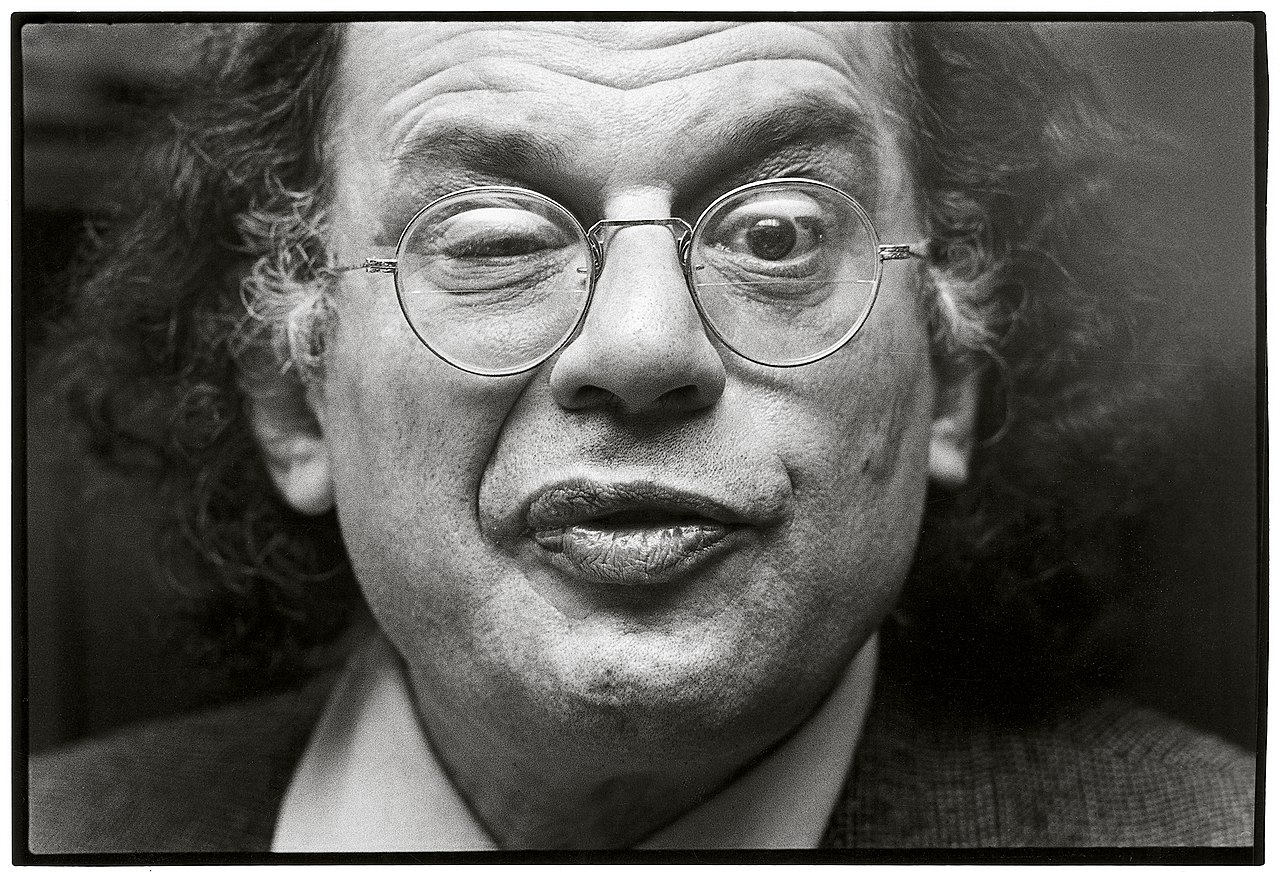
10 Images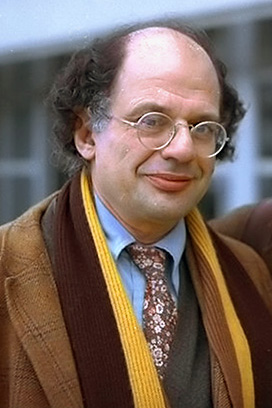



Major works and themes
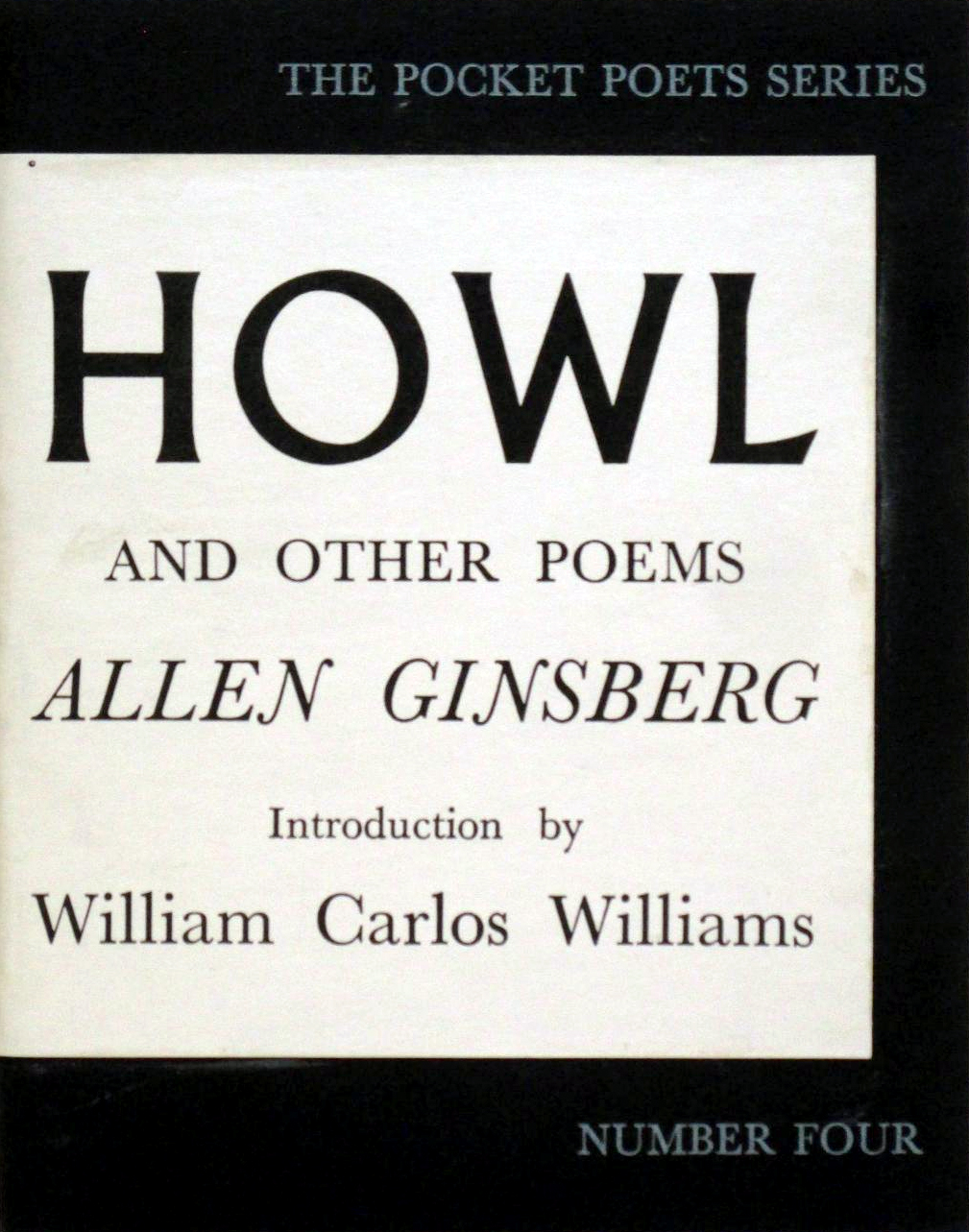
Ginsberg's breakthrough poem, Howl, is a long, declamatory piece that addressed the spiritual and social crises of postwar America. Opening with the famous line often rendered as an evocation of the era — "I saw the best minds of my generation" — the poem explored addiction, mental illness, sexual freedom and institutional oppression, invoking images some readers found shocking or obscene. Ginsberg insisted that candid language and unorthodox rhythm were essential to convey the intensity of lived experience; critics and supporters recognized his work for its moral urgency and raw imagery. Themes such as madness and social prejudice recur across his poems, essays and public statements.
Controversy, censorship and the courts
When Howl was first published and distributed, authorities attempted to block its sale on grounds of obscenity. Ginsberg and his publisher faced legal challenge, and the resulting trial became a pivotal moment in debates about literary freedom in the United States. A judge ultimately ruled that the poem had redeeming social value and could not be suppressed, a decision that established an important precedent for the protection of controversial artistic expression.
Life, beliefs and personal relationships
Born in 1926, Ginsberg's upbringing included an exposure to Jewish culture and later an exploration of Eastern religious practices. He grew up in a Jewish household and, in adult life, studied and practiced forms of Buddhism — a spiritual path that influenced his poetic sensibility and political commitments; see also Jewish and Buddhist references. Ginsberg was openly gay at a time when same-sex relationships faced widespread stigma; his long-term partner and fellow poet was Peter Orlovsky. He also formed close, sometimes intense relationships with peers such as Neal Cassady, who appears as an inspiration in some of his poems and is referred to in Howl as a charismatic presence.
Influence, collaborations and public life
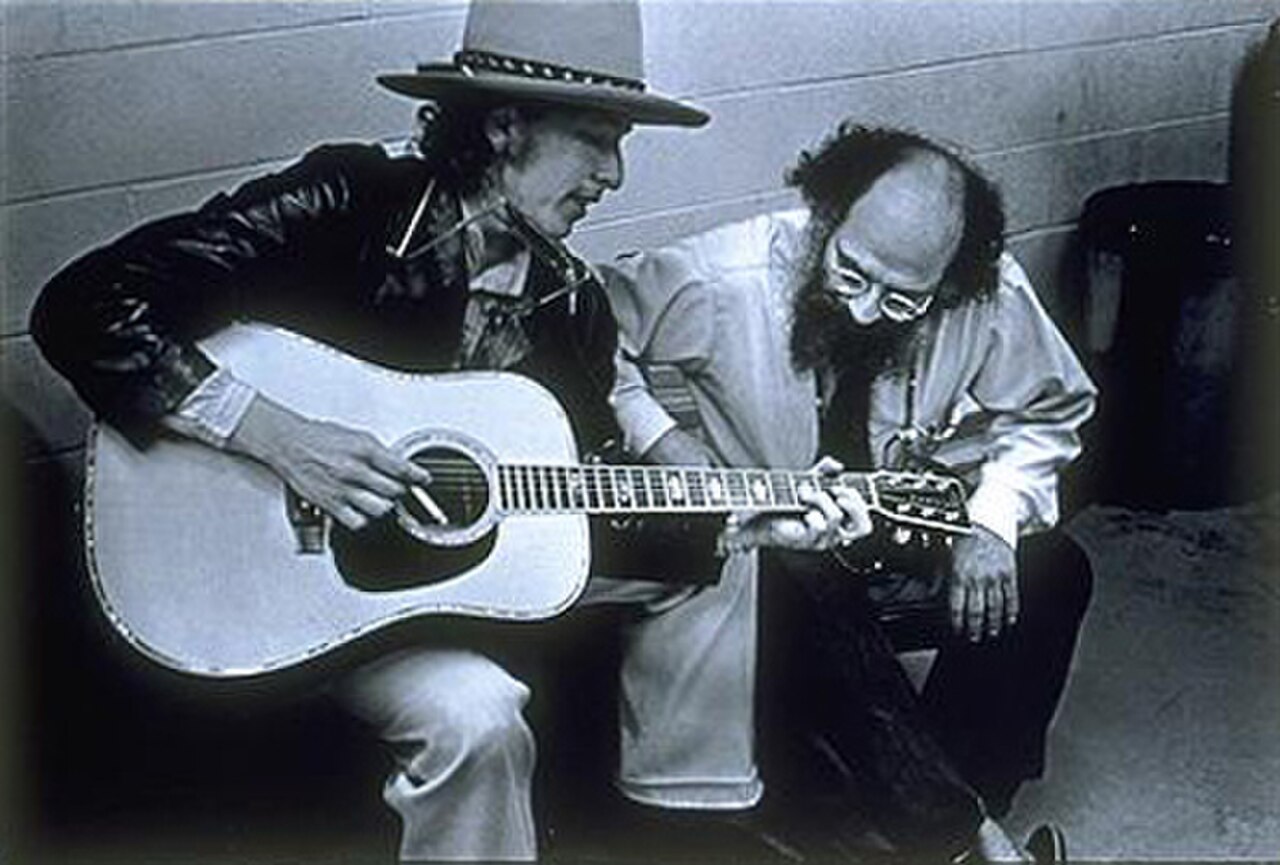
Beyond print, Ginsberg was a public performer and a bridge between literary and musical scenes. He befriended and influenced artists in rock and folk music, including Bob Dylan, Donovan, and later figures like John Lennon and Yoko Ono. His readings were social events where poetry, political protest and performance met; he took part in demonstrations on civil rights, anti-war causes and free speech. Ginsberg's public visibility introduced many readers to the Beat aesthetic and to avant-garde poetic experimentation, attracting attention from a wide range of celebrities and cultural commentators.
Legacy and distinctions
Ginsberg left a mixed but enduring legacy: he helped make frank autobiography and social critique standard concerns of contemporary poetry, he contributed to legal protections for artistic expression, and he acted as a mentor and provocateur to younger writers and activists. His life illustrates several notable intersections: between a literary movement and mainstream culture, between sexual openness and public controversy, and between Western literary practice and Eastern spiritual thought. For those researching his life and work, useful entry points include his poems, recorded readings, and critical studies that examine how a single writer influenced broader changes in American letters and public life.
- poet — principal vocation
- author — published books and essays
- Howl — landmark poem and trial
- Beat Generation — cultural movement
- Jack Kerouac — contemporary and friend
- William S. Burroughs — collaborator
- Bob Dylan — musical associate
- Donovan — musical associate
- John Lennon — later friend
- Yoko Ono — later friend and collaborator
- celebrities — wide circle of contacts
- United States — national context for his work
- best minds of my generation — memorable opening phrase
- madness — recurring motif
- prejudice — social critique
- Jewish — cultural background
- Buddhist — spiritual influence
- Peter Orlovsky — lifelong partner
- Neal Cassady — muse and friend
- N.C., secret hero — phrase associated with Howl
Questions and answers
Q: Who was Irwin Allen Ginsberg?
A: Irwin Allen Ginsberg was an American poet and author who was part of the Beat Generation movement of poets in the 1950s.
Q: What is his most famous work?
A: His most famous work is a long poem called Howl, which describes the social conditions of the United States in the 1950s. It begins with the words "I saw the best minds of my generation destroyed by madness."
Q: What happened when some people did not like Howl or its language?
A: Some people tried to have Howl banned and wanted Ginsberg to be prosecuted (given a court trial, then either fined or put in jail). However, after going to trial, Ginsberg was cleared and allowed to continue publishing and performing his poem.
Q: Who were some of Ginsberg's friends?
A: He was friends with writers Jack Kerouac and William S. Burroughs, as well as musicians Bob Dylan, Donovan, John Lennon and Yoko Ono.
Q: What religion did he practice?
A: He grew up in the Jewish faith but later became a Buddhist.
Q: Who was his longtime partner?
A: His longtime partner was another poet named Peter Orlovsky.
Q:Who appeared as "N.C., secret hero of these poems" in Howl ?
A:Neal Cassady appeared as "N.C., secret hero of these poems" in Howl .
Related articles
Author
AlegsaOnline.com Allen Ginsberg: Life, Work, and Influence of a Beat Generation Poet Leandro Alegsa
URL: https://en.alegsaonline.com/art/2786
Sources
- muse.jhu.edu : Surreal impressions in the poetry of Allen Ginsberg