
Neal Cassady — Beat Generation Icon and Counterculture Catalyst
Neal Cassady (1926–1968) was an American figure of the Beat Generation whose energetic personality and spontaneous prose inspired writers such as Jack Kerouac and later countercultural movements.
Overview
Neal Cassady (February 8, 1926 – February 4, 1968) was an American cultural figure often described as a muse more than a conventional author. He moved at the center of mid-20th-century literary and social circles and left a lasting imprint on the shape of Beat-era writing and the later 1960s counterculture. His life combined restless travel, close friendships with key poets and novelists, and a conversational, improvisational approach to language that fascinated his peers. American writer and personality descriptors are commonly applied to him in accounts of the period; he belonged to the wider community known as the Beat Generation and interacted regularly with other writers and poets.
Image gallery
2 Images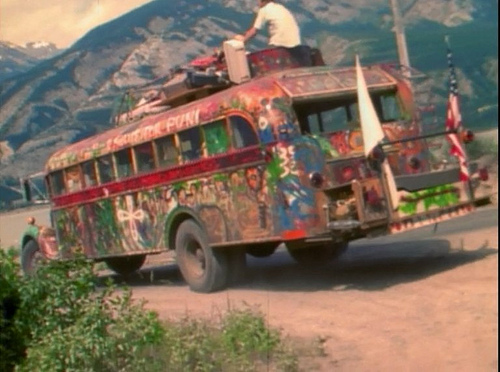

Life and character
Cassady grew up in Colorado and later lived in various American cities, frequently traveling by car and bus. He became known for a charismatic, high-energy manner, quicksilver speech and a willingness to take risks. Those traits, rather than a large published body of work, made him influential. He wrote letters and fragments in a loose, spontaneous voice that would be preserved by friends and sometimes published after his death. Biographical summaries often note his complicated personal life, brushes with the law, and periods of instability alongside moments of intense creative companionship.
Connections with key writers
Cassady was closely associated with several notable figures of the era. He struck a deep friendship with Allen Ginsberg and became a central presence in Jack Kerouac’s life; Kerouac transformed Cassady’s persona into the character Dean Moriarty, the driving spirit of the novel On the Road. Kerouac’s portrayal helped fix Cassady’s image in literary history. Contemporaries frequently exchanged letters and recordings; fragments of Cassady’s direct, rapid prose influenced the spontaneous style that Kerouac and others celebrated. He is therefore a rare example of someone whose life and speech shaped literature as much as any printed book.
Role in the 1960s counterculture
In the 1960s Cassady became associated with the next wave of American bohemian life. He joined the group known as the "Merry Pranksters" and served as the driver of their celebrated cross-country bus, a role that linked him to the emergence of the hippie movement and experiments in communal living and psychedelic exploration. His association with figures such as Ken Kesey placed him at a bridge between Beat bohemia and the more publicized counterculture of the later decade, a transition often summarized under the broader label of the hippie era.
Work, legacy and distinctions
Cassady published little in the traditional sense, but his correspondence and recorded speech were collected and circulated by friends and later editors. These materials reveal the impulsive, conversational rhythm that influenced the spontaneous prose techniques of his contemporaries. He is remembered less as a conventional author than as an energetic catalyst whose life and language helped spark novels, poems and later cultural myths. Accounts of his life often stress the distinction between his role as a participant in scenes of artistic production and the later, more formal recognition of those scenes in print and film.
Later years and historical perspective
Cassady died in Mexico in early 1968. Details of his final days are discussed in many biographies and essays, and his death is typically treated as part of a larger, sometimes tragic narrative about the costs of a life spent on the margins of mainstream stability. Today he is studied both as a personality who helped shape major works of American literature and as a symbol of mid-century restlessness. For further reading and archival materials consult general resources on the Beat movement and studies that focus on Kerouac, Ginsberg and the Merry Pranksters; these often include letters and recollections that illuminate Cassady’s role. More on his writing and correspondence can be found through dedicated collections and biographies.
- Key associations: Allen Ginsberg, Jack Kerouac, Ken Kesey.
- Notable cultural touchstones: On the Road, the Merry Pranksters and the early hippie movement (hippie era).
- Further resources and archival links: Beat Generation studies, contemporary poetry and prose.
Questions and answers
Q: Who was Neal Cassady?
A: Neal Cassady was an American writer and a member of the Beat Generation circle of writers and poets, of the 1950s and 1960s.
Q: Which novel was inspired by Neal Cassady?
A: Neal Cassady was the main inspiration behind Jack Kerouac's breakthrough novel On the Road.
Q: Who were Neal Cassady's close friends?
A: Neal Cassady was a close friend of Allen Ginsberg and Jack Kerouac.
Q: What role did Neal Cassady play during the hippie era?
A: During the hippie era, Neal Cassady was the bus driver of Ken Kesey's "Merry Pranksters".
Q: When was Neal Cassady born and when did he die?
A: Neal Cassady was born on February 8, 1926, and died on February 4, 1968.
Q: Was Neal Cassady only a writer or did he have another role?
A: Neal Cassady was not only a writer but also the bus driver of Ken Kesey's "Merry Pranksters" during the hippie era.
Q: Which generation was Neal Cassady part of?
A: Neal Cassady was part of the Beat Generation circle of writers and poets, of the 1950s and 1960s.
Related articles
Author
AlegsaOnline.com Neal Cassady — Beat Generation Icon and Counterculture Catalyst Leandro Alegsa
URL: https://en.alegsaonline.com/art/68916