
John Lennon
English singer, songwriter and activist, co‑founder of the Beatles; later a solo artist and peace campaigner whose work and life remain influential worldwide.
John Winston Ono Lennon (9 October 1940 – 8 December 1980) was an English musician, songwriter and cultural figure. He rose to international prominence as a founding member, singer and rhythm guitarist of the Beatles, one of the most influential rock bands of the 20th century. Lennon combined melodic invention with candid, often personal lyrics and a public life that mixed music with outspoken social and political commentary. For a concise biographical overview see biographical resources.
Image gallery
10 Images


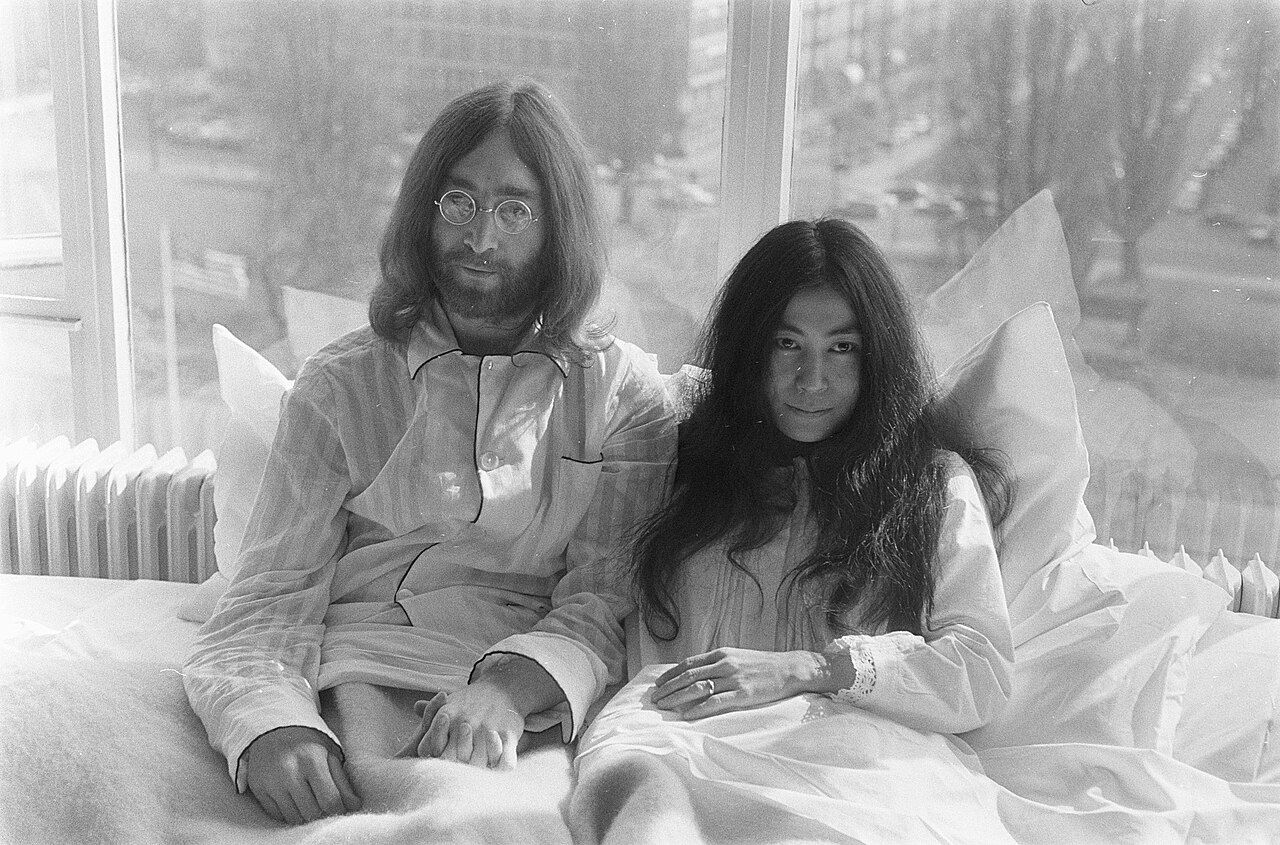

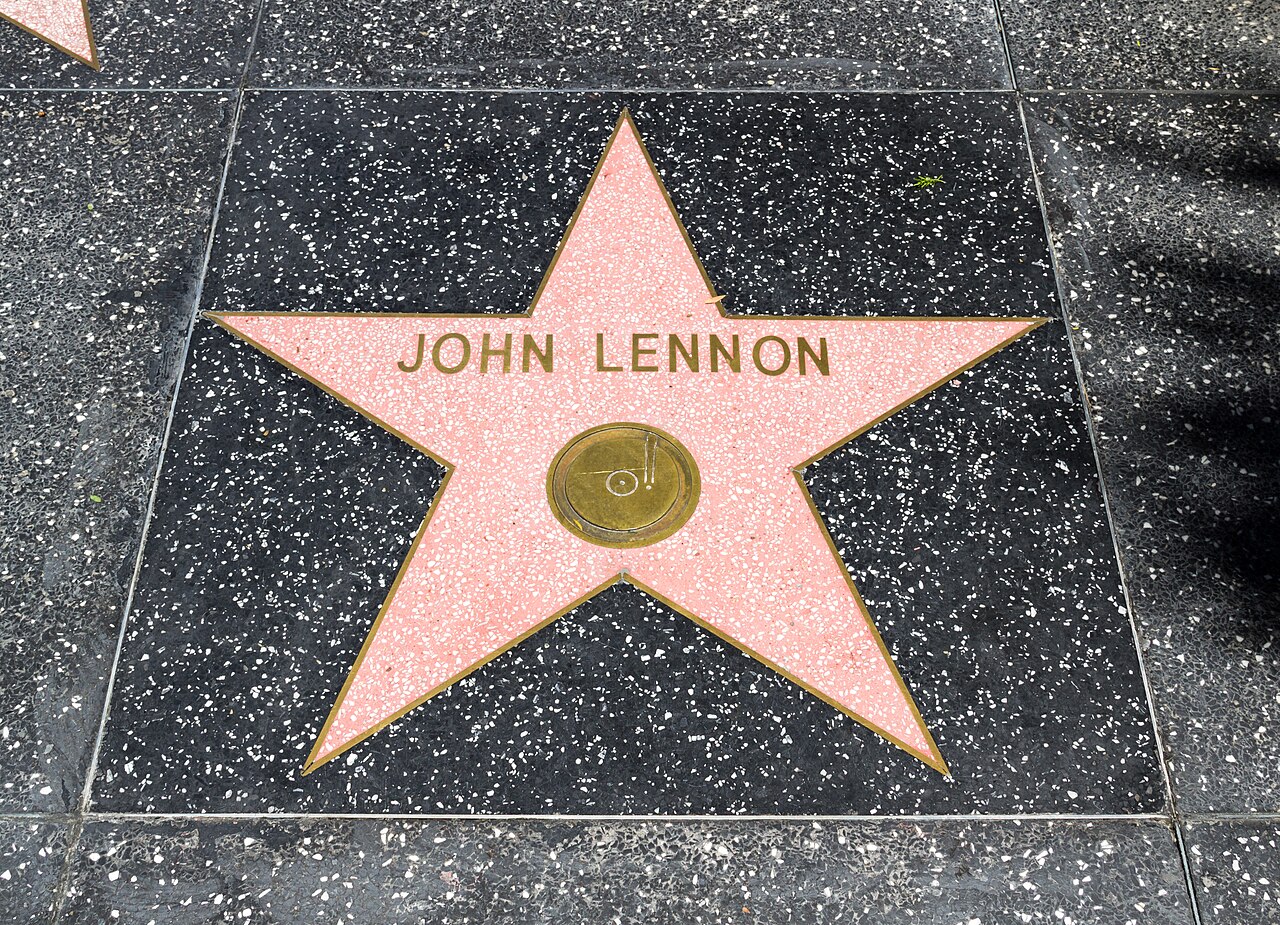

Early life and rise to fame
Born and raised in Liverpool, Lennon formed early skiffle and rock groups in his teens. He met future bandmates who would form the Beatles and developed a songwriting partnership with Paul McCartney that produced many of the band's best-known songs. The Beatles' rapid rise in the 1960s, through recordings, tours and films, made Lennon a central figure in the cultural phenomenon known as Beatlemania. Contemporary discographies and band histories document this period in detail: discography and band history.
Songwriting, style and notable works
Lennon's songs ranged from energetic rock numbers to intimate ballads and overtly political pieces. He is associated with direct, often autobiographical lyrics and memorable melodic hooks. Some of his best-known solo songs and Beatles-era compositions are widely anthologized and discussed in music references and critical studies; see compiled song lists and analyses for examples.
Solo career and activism
After the Beatles ceased recording as a group around 1970, Lennon pursued a solo career and worked closely with his wife, Yoko Ono. He recorded hits that reflected personal themes and political concerns and became prominent in peace campaigning, notably public protests and events that attracted international attention. He spent periods in both the United Kingdom and the United States and his public statements and demonstrations generated both support and controversy. Archival materials and collections can provide contemporary source material: collections and archives.
Personal life and later years
Lennon married Yoko Ono and they collaborated on artistic projects as well as activism. He was father to two sons and took periods away from public life to focus on family. In the 1970s he and Ono lived in the United States for several years; those years included both creativity and disputes over residency and immigration, documented in interviews and reports: interviews and reports.
Lennon's life ended suddenly when he was murdered in New York City on 8 December 1980. His death prompted widespread mourning and a reassessment of his cultural role; contemporary news coverage and later retrospectives provide further context: contemporary reports and retrospectives.
Legacy
- Musical influence: credited with helping to shape modern pop and rock songwriting and recording practices.
- Cultural impact: an emblematic figure of 1960s cultural change and later peace activism.
- Ongoing relevance: his recordings, writings and public messages continue to be studied, covered and celebrated worldwide.
For readers seeking more detail, authoritative biographies, documentary collections and music-reference sites collect recordings, interviews and contemporaneous documentation that illuminate both his artistic development and the controversies that accompanied his public life.
Questions and answers
Q: What was John Lennon's full name?
A: John Winston Ono Lennon MBE
Q: When was John Lennon born and when did he die?
A: He was born on 9 October 1940 and died on 8 December 1980.
Q: What was John Lennon famous for?
A: He was famous as a singer and guitarist of the English rock band The Beatles.
Q: What happened after The Beatles stopped making records in 1970?
A: John Lennon lived in the United States with his wife Yoko Ono.
Q: Did John Lennon continue his music career after The Beatles stopped making records?
A: Yes, he continued his music career up until his murder.
Q: Who was John Lennon's wife?
A: His wife was Yoko Ono.
Q: What is the meaning of MBE after John Lennon's name?
A: MBE stands for Member of the Order of the British Empire, a British honour awarded to individuals for outstanding service to the community or country.
Related articles
Author
AlegsaOnline.com John Lennon Leandro Alegsa
URL: https://en.alegsaonline.com/art/122547
Sources
- books.google.com : "Best of the Last 25 Years Honored"
- brits.co.uk : "Wins and Nominations by Artist: John Lennon"
- grammy.com : "1981 Grammy Awards"
- brits.co.uk : "1982 Brit Awards"
- news.bbc.co.uk : "100 great British heroes"
- books.google.com : John Lennon : a biography
- rollingstone.com : "100 Greatest Singers of All Time"
- blsart.com : "The John Lennon Statue"
- havanatimes.org : "New York Chorus in Cuba's Lennon Park"
- liverpoolairport.com : "Liverpool John Lennon Airport Background Information"
- imaginepeacetower.com : "About Imagine Peace Tower"
- nycgovparks.org : "Central Park Monumants - Imagine"
- bcninternet.com : "Plaça De John Lennon"