
Beat Generation: origins, style, key figures, and cultural legacy
Overview of the Beat Generation: its origins in mid-20th-century America, characteristic styles and themes, principal writers, controversies, and enduring influence on literature, music and popular culture.
Overview
The Beat Generation was an informal circle of writers, poets and artists that emerged in the United States after World War II and became most visible in the 1950s. Members rejected many conventional social norms, experimented with language and form, and explored spirituality, sexuality and nonconformist lifestyles. Jazz—especially bebop—provided a rhythmic model that many Beats admired, and both the energy and improvisational approach of jazz informed their writing and performances.
Image gallery
5 Images
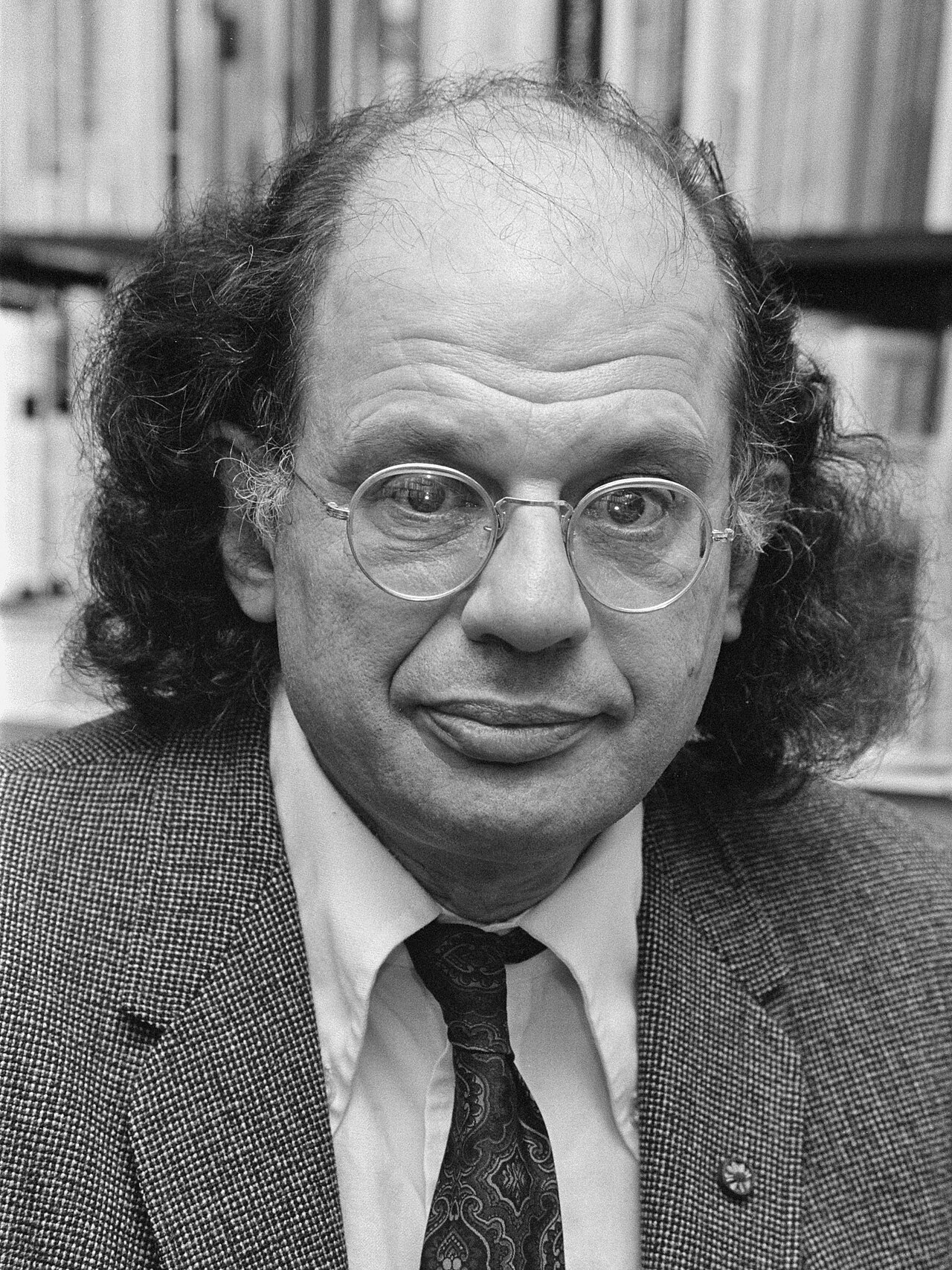


Origins and social context
The movement grew out of a postwar cultural moment marked by rapid social change and growing dissatisfaction with consumer culture. Veterans returning from war, along with a younger generation of artists, sought alternatives to mainstream values. Influences included African American music, urban bohemian scenes, Eastern religions (notably Buddhism), and an openness to altered states of consciousness. Small presses, reading series and cooperative bookstores helped sustain a loose network of collaborators and readers.
Style, themes and techniques
Beat writing often emphasizes spontaneity, personal experience and an informal, conversational tone. Poets and novelists experimented with long lines, free verse and a flowing prose that aimed to capture immediacy and the sense of living in the moment. Recurring themes include travel and movement, urban life, spiritual seeking, critique of materialism, and frank treatments of sexuality and drug use. Experimental techniques such as the "cut-up" method were explored by some writers as ways to break conventional narrative patterns.
Key figures and important works
Jack Kerouac, Allen Ginsberg and William S. Burroughs are the best-known figures associated with the Beat label. Kerouac's On the Road presented a road-centered vision of freedom and restlessness; Ginsberg's poem Howl became a landmark of candid poetic expression; Burroughs's Naked Lunch offered a fragmented, experimental narrative that challenged norms of taste and form. Other contributors included Neal Cassady, Gregory Corso, Lawrence Ferlinghetti and many lesser-known poets and editors who sustained local scenes.
Geographic centers and communities
Vibrant Beat communities clustered in New York's Greenwich Village and San Francisco's North Beach, with additional activity in other cities and college towns. Cafés, small presses and reading rooms provided venues for public readings and the exchange of ideas. These local networks made it possible for an informal movement to reach a wider audience through magazines, independent publishers and newspaper coverage.
Reception, censorship and controversies
The Beats provoked both admiration and criticism. Their frank treatment of sex, drug use and dissenting politics led to moral panic in some quarters and to legal confrontations over obscenity. The publication and prosecution of certain works prompted public debate about artistic freedom and censorship. At the same time, popular media sometimes reduced the movement to a stereotype—"Beatnik"—that exaggerated its fashions and minimized its intellectual complexity.
Influence and legacy
The Beat Generation had a long-lasting influence on literature, music and broader culture. Their emphasis on candid self-expression and experimentation helped open the way for the confessional poets, the New Journalism of the 1960s and later novelists who incorporated personal voice and improvisatory techniques. Culturally, Beats are often seen as precursors to the 1960s counterculture, contributing ideas about civil rights, sexual freedom and alternative spiritualities. Musicians and filmmakers borrowed Beat aesthetics, and Beat authors remain subjects of study and popular interest.
Further reading and resources
- Overview of the Beat movement
- Collections of Beat poetry and prose
- Biographical material on principal poets
- Artistic communities associated with the Beats
- Jazz and bebop influences on Beat writers
- Music as a rhythmic model in Beat aesthetics
- Cultural impact and legacy
- Political contexts and misunderstandings
- Jack Kerouac: life and writing
- William S. Burroughs: works and influence
- Allen Ginsberg and Howl
Related articles
Author
AlegsaOnline.com Beat Generation: origins, style, key figures, and cultural legacy Leandro Alegsa
URL: https://en.alegsaonline.com/art/9842