
Disability: definitions, types, accessibility, and social context
Overview of disability: definitions, common types (physical, sensory, intellectual, developmental), assistive technology, accessibility, models, rights, and social challenges.
Overview
A disability is a long-term condition that substantially limits one or more major life activities. Definitions vary by legal system and organisation, but most modern descriptions recognise that impairments interact with environmental and social barriers to reduce participation. An influential international formulation appears in the United Nations convention, which frames disability in terms of impairments and barriers rather than only individual pathology.
Image gallery
8 Images


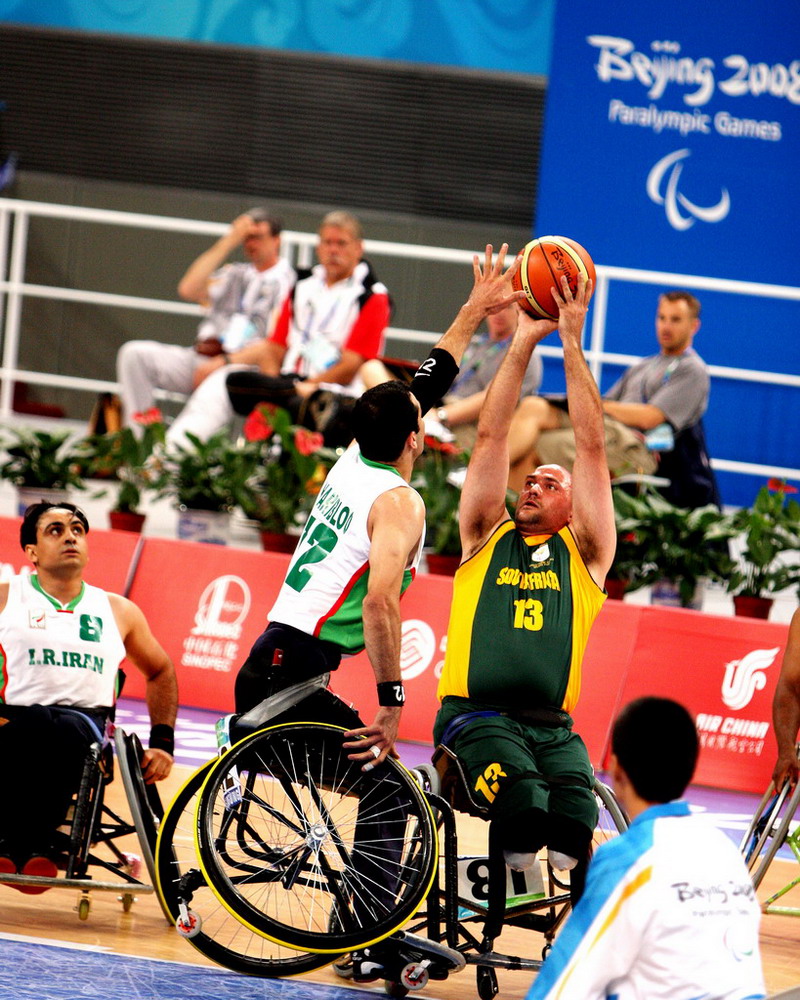
Types and characteristics
Disabilities may be present from birth or arise later. Common categories include physical limitations that affect movement, sensory differences that alter perception, cognitive and intellectual conditions, developmental disorders, and chronic health conditions. Examples include cognitive differences, mobility loss after an accident, impairments following an infection, and sensory impairments. Some conditions are visible; others are not immediately apparent and are often called invisible or hidden disabilities.
Examples and everyday effects
Invisible disabilities can include mental health conditions, some neurological conditions and many chronic illnesses. For instance, people may live with asthma, epilepsy, chronic migraines, arthritis, or fatigue syndromes that limit stamina. Physical disabilities can change how someone moves through built environments; for example, people who use a wheelchair need level access, and people with hearing loss may rely on hearing aids or loop systems.
Assistive technology and physical adaptations
Many tools and design changes reduce barriers and increase independence. Assistive devices range from low-tech modifications to advanced electronics. Common supports include:
- Mobility aids (wheelchairs, walkers, canes)
- Hearing and vision aids (hearing aids, braille displays)
- Communication tools (text telephones and teletypewriters)
- Software and hardware that improve computer access (computer accessibility)
Built-environment solutions such as ramps, elevators, wide doorways, and accessible restrooms are essential for full participation.
History, models and rights
Attitudes and laws about disability have evolved. Earlier approaches emphasised medical treatment and institutional care; later movements promoted the social model, which locates disability in barriers rather than the person alone. This shift underpins disability rights laws and accessibility standards in many countries and the global advocacy that informed the UN convention.
Social context, challenges and misconceptions
Prejudice and exclusion remain common. Bias against disabled people—often called ableism—can appear in language, employment, education and design choices. Such discrimination is sometimes described in broader terms of prejudice and social misunderstanding. Addressing these issues requires policy, inclusive design, and public awareness.
Why accessibility matters
Improving access benefits both individuals and communities. Inclusive practices — from legal protections to everyday accommodations — enable education, work and civic participation. Practical steps include adopting accessible design, supporting assistive technologies, and recognising diverse needs in planning and services. Further resources and guidance are available from many organisations and service providers; consult specialist sources or trusted local agencies to learn more.
For technical aids, legal frameworks, and advocacy groups, look for resources linked to the categories above or ask professional organisations for tailored information.
Learn about cognitive conditions | Incidents and injury | Post-infectious impairments | Sensory differences | International rights conventions
Asthma | Epilepsy | Migraines | Arthritis | Wheelchair use
Hearing aids | TTY and text telephony | Computer accessibility | Prejudice and inclusion | Ableism and social change
Related articles
Author
AlegsaOnline.com Disability: definitions, types, accessibility, and social context Leandro Alegsa
URL: https://en.alegsaonline.com/art/27630