
Hearing aid: overview, types, components and uses
A hearing aid is a small electronic device worn in or behind the ear to amplify sound for people with hearing loss. This article explains design, types, history, fitting and how they differ from implants.
Overview
A hearing aid is a small electronic device worn in or behind the ear that amplifies sounds to improve audibility for people with hearing loss. Typically designed to be discrete and comfortable, modern hearing aids process incoming sound, increase important speech signals, and reduce background noise. A hearing aid can help people better understand conversation, localize sounds and participate more fully in daily life, but it does not cure the underlying cause of deafness or fully restore normal hearing.
Image gallery
10 Images

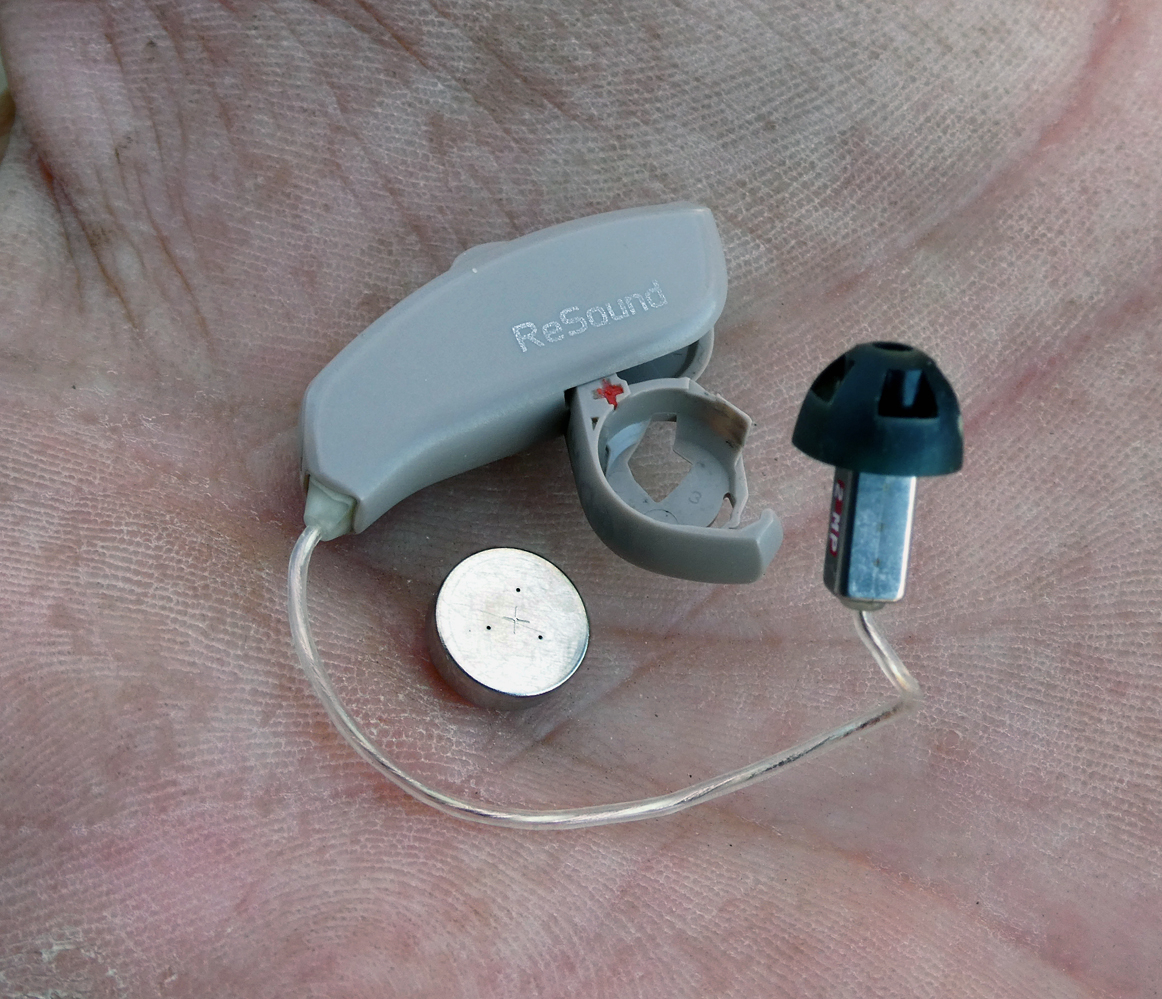
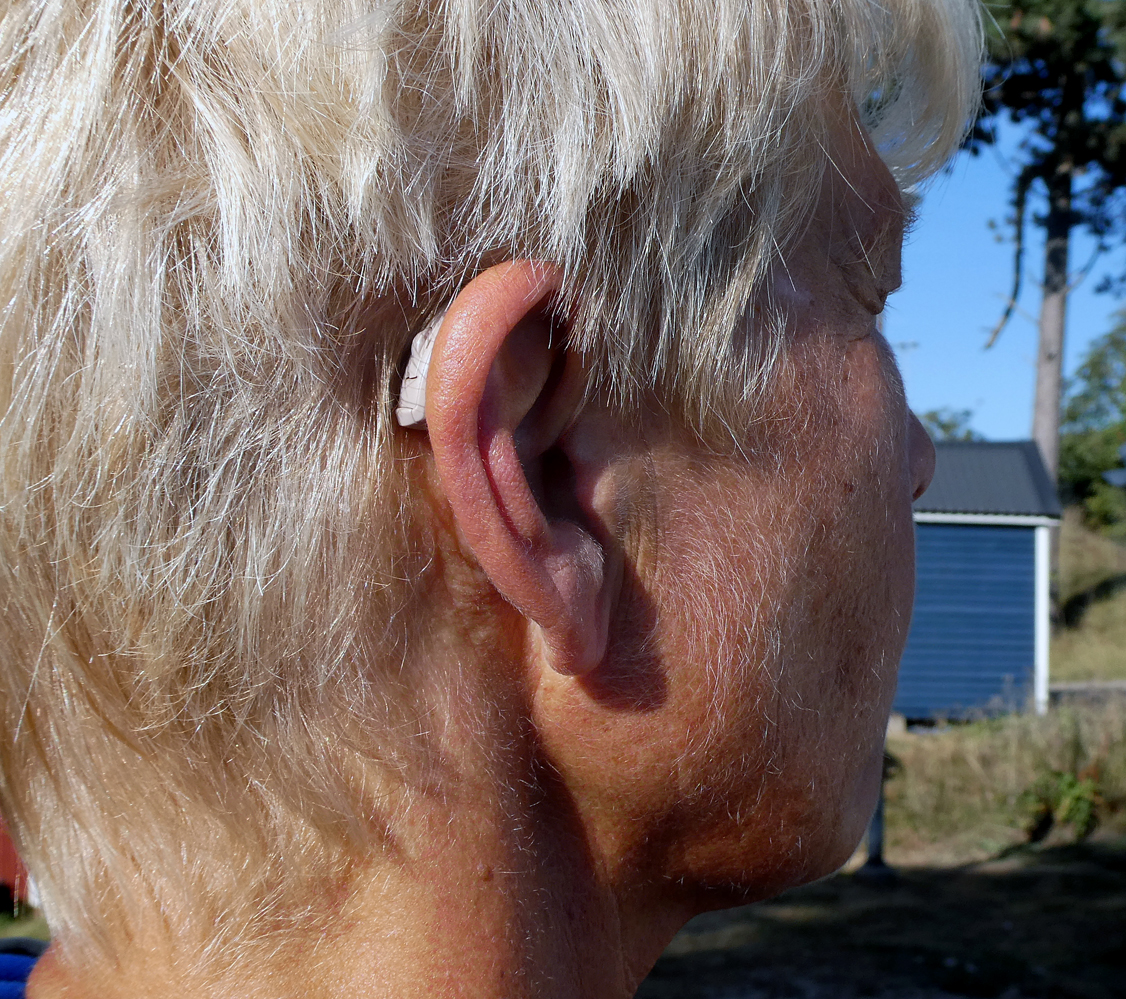


Main components
Most contemporary hearing aids contain a set of standard parts and features that work together to capture and shape sound:
- Microphone — picks up environmental sound and converts it to an electrical signal.
- Amplifier/Digital signal processor (DSP) — analyzes and amplifies sounds, applies noise reduction and frequency shaping.
- Receiver (speaker) — delivers the processed sound into the ear canal.
- Power source — disposable or rechargeable batteries provide energy.
- Controls and wireless features — volume, program buttons, Bluetooth connectivity and telecoil for phone use.
Types and styles
Hearing aids are made in multiple styles to suit different degrees of hearing loss and lifestyle needs. Common styles include:
- Behind-the-ear (BTE) — a unit sits behind the ear and connects to an earmold; adaptable to many loss levels.
- Receiver-in-canal (RIC) — similar to BTE but with a small receiver in the ear canal for a less obtrusive look.
- In-the-ear (ITE) and completely-in-canal (CIC) — custom shells fit inside the outer ear or canal; favored for cosmetics and mild-to-moderate losses.
History and development
Before electronic amplification, people used passive instruments such as ear trumpets or horns to collect sound. The advent of electronic amplification in the 20th century led to early body-worn and later behind-the-ear models. Digital signal processing became widespread in the late 20th and early 21st centuries, enabling adaptive noise reduction, directional microphones and wireless connectivity to phones and accessories.
Uses, fitting and limitations
Hearing aids are fitted and programmed by audiologists or hearing care professionals based on a person’s audiogram and communication needs. Custom earmolds or domes help deliver sound comfortably. Regular follow-up is common to adjust settings. While hearing aids substantially improve communication for many users, they have limits: they amplify sound but cannot regenerate damaged inner-ear hair cells. For profound or medically complex losses, other interventions such as cochlear implants may be recommended.
Notable facts and considerations
Modern devices often include rechargeable batteries, Bluetooth streaming and smartphone apps for personalization. Cost, maintenance, and stigma can affect adoption, and insurance coverage varies by jurisdiction. For more practical guidance on selection, fitting and assistive technology options, consult a hearing specialist or trusted resources: fits in or behind a person's ear and see guidance tailored for people who are deaf or hard of hearing.
Questions and answers
Q: What is a hearing aid?
A: A hearing aid is a small electrical machine that fits either in or behind a person's ear.
Q: What is the purpose of a hearing aid?
A: The main purpose of a hearing aid is to make sounds louder so that a deaf person can hear spoken words and other sounds.
Q: What are the two most common types of hearing aids?
A: The two most common types of modern hearing aids are behind the ear aids and in the ear aids.
Q: What were people using before hearing aids were invented?
A: Before hearing aids were invented, people used ear trumpets, also known as ear horns.
Q: How do hearing aids work?
A: Hearing aids work by amplifying sounds and making them louder so that they are audible to a deaf person.
Q: Are hearing aids still widely used today?
A: Yes, hearing aids are still widely used today and have greatly improved in terms of design, technology, and effectiveness.
Q: Are there any disadvantages to using hearing aids?
A: Some people may experience discomfort or difficulty adjusting to using a hearing aid, and they can be expensive. However, the benefits of being able to hear better often far outweigh these disadvantages.
Related articles
Author
AlegsaOnline.com Hearing aid: overview, types, components and uses Leandro Alegsa
URL: https://en.alegsaonline.com/art/43068
Sources
- hearingcenter.com : hearingcenter.com/Questions/Q_ear-horn.html