
Teletypewriter (Teleprinter): Mechanism, History, and Legacy
A teletypewriter (teleprinter) is an electromechanical device for sending and receiving typed messages over wires or radio. It powered news, commerce, government, computing, and accessible communication in the 20th century.
Overview
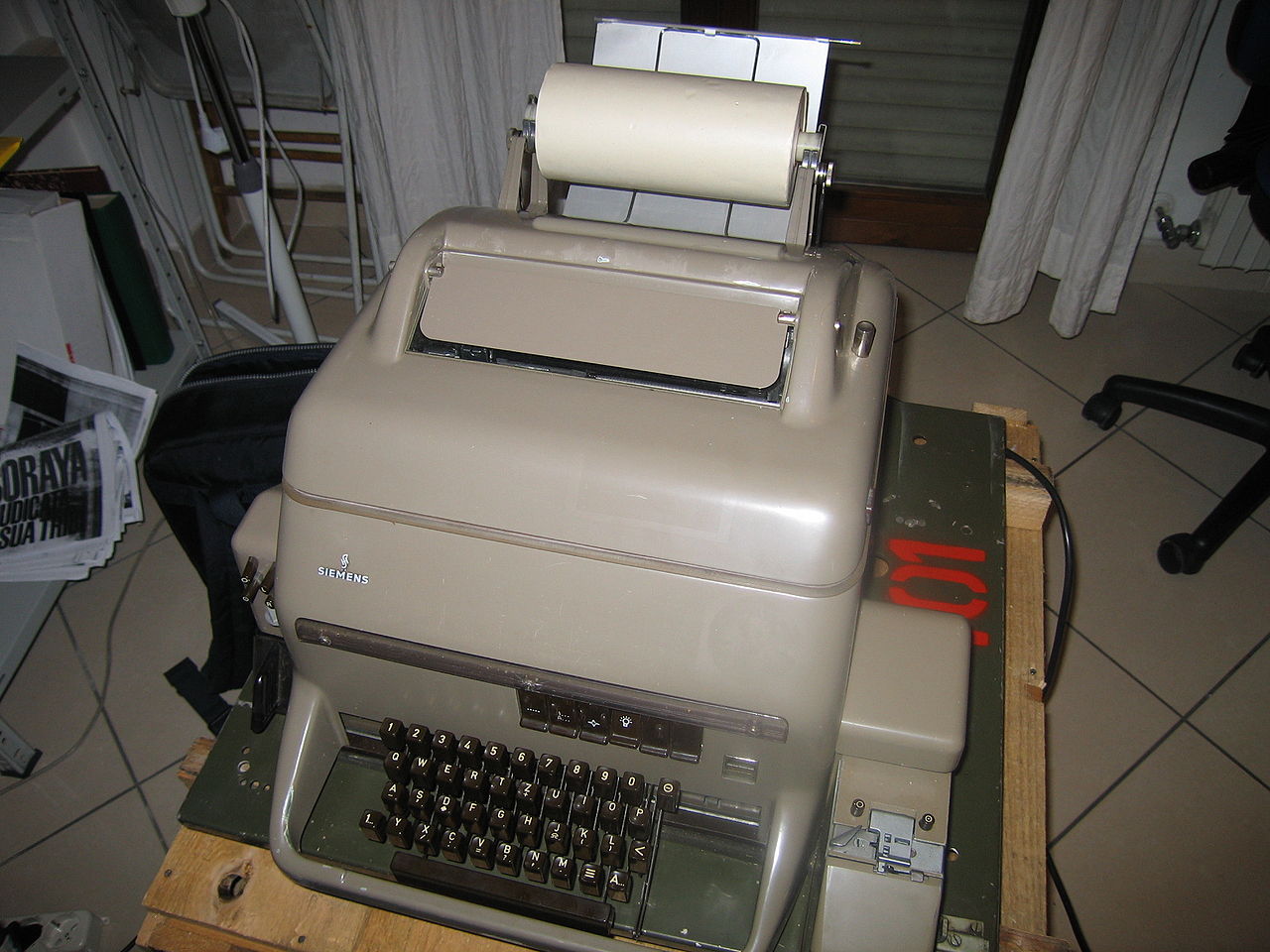
A teletypewriter, often shortened to TTY or called a teleprinter, is an electromechanical device that allowed one person to send a typed message to another location and receive a printed reply. Unlike a spoken telephone call, teletypes transmitted discrete characters representing typed text. Early models combined a typewriter-like keyboard for input with a mechanism that produced a local hard copy so the operator could read what had been entered.
Image gallery
10 Images



Design and operation
Typical teleprinters had several core components: a typewriter-style keyboard for entry, a printing mechanism to record incoming and local text, and an electrical or radio transmitter to send the data. For readability and record keeping they usually printed text on paper, either directly on continuous stationery or on tape. Many models could also read and punch paper tape to store messages or automate repeat transmission.
- Keyboard: a mechanical layout similar to a typewriter; see also typewriter.
- Local printer: produced a permanent copy for the operator and logging purposes; compare to local printer.
- Transmission medium: electrical circuits, dedicated telegraph lines, or radio links carried the code between machines.
History and development
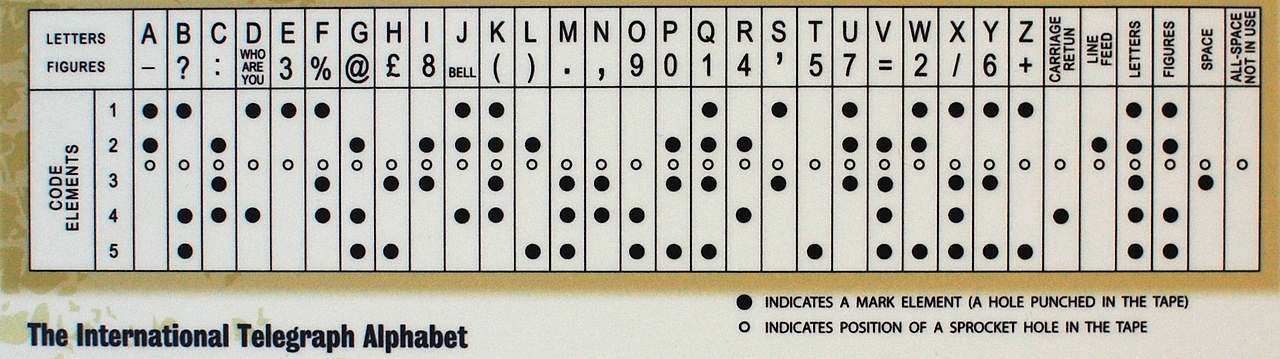
Teleprinters evolved from telegraphy, adopting keyboard entry to speed up message composition and reduce operator training. In the first half of the 20th century, companies and networks deployed teleprinters for news distribution, railway and shipping traffic, military communications, and business telegraph services. Early systems used specialized character codes; later equipment adapted to standard computer codes during the rise of digital computing.
Uses, examples, and importance
Teletypes transformed how institutions exchanged information: news agencies could feed newspapers and radio stations, airlines and railways coordinated schedules, and businesses sent orders and invoices. In the nascent computer era, teleprinters were often used as input/output terminals for programs and batch jobs. Their reliability, physical record, and compatibility with long-distance circuits made them indispensable for much of the 20th century.
Accessibility, decline, and legacy
Although teleprinters are now largely replaced by digital networks, screens, and mobile phones, their influence persists. Adaptations of the teletype concept—called TDDs or TTYs—remain in use for people who are deaf, hard of hearing, or speech-impaired, allowing typed conversations over telephone lines. Many users have also moved to modern alternatives such as instant messaging and texting, but dedicated TTY devices and services still exist in some regions.
Notable distinctions and facts
Teletypes differ from older telegraphs in that they produce legible text at both ends without a skilled Morse operator, and they differ from modern chat systems by being electromechanical, line-oriented, and typically producing a printed record. Their legacy includes standards and practices for character encoding, remote terminal operation, and machine-to-machine messaging that helped shape later digital communication.
Related articles
Author
AlegsaOnline.com Teletypewriter (Teleprinter): Mechanism, History, and Legacy Leandro Alegsa
URL: https://en.alegsaonline.com/art/96839