
Personal computer
A personal computer (PC) is a small, general-purpose computing device designed for use by one person. This article explains its parts, history, common uses, and how it differs from other devices.

A personal computer (commonly abbreviated as PC) is a general-purpose digital machine designed to be used by one person at a time. The term covers a wide range of devices, from traditional desktop towers and laptops to compact mini PCs. In everyday speech the word "PC" often refers to machines running certain desktop operating systems, but technically the category also includes many devices that perform similar computing tasks. For a simple definition of the word "computer" see computer.
Image gallery
10 Images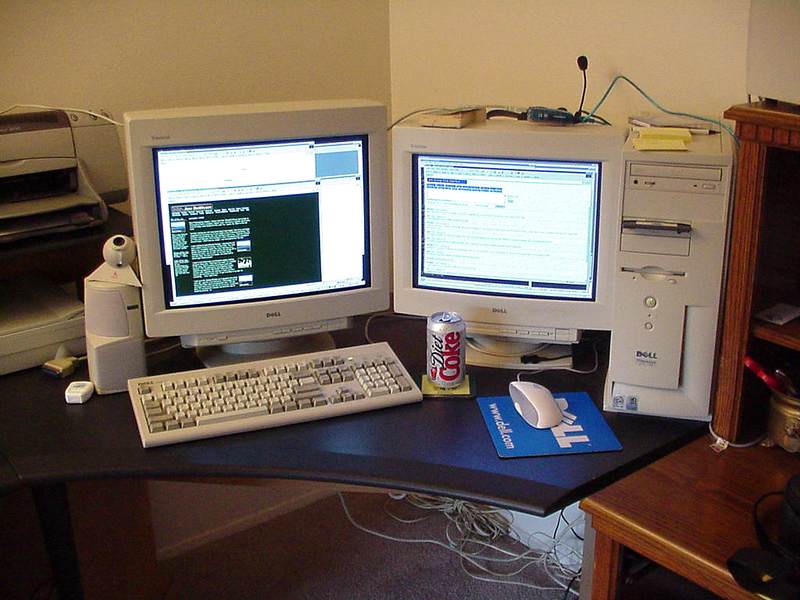


Major components and design
At its core a personal computer contains a central processing unit (CPU), volatile memory (RAM), persistent storage (hard disk or solid-state drives), and a motherboard that connects these parts. Common external parts include a display, keyboard and mouse, audio devices and network interfaces. The operating system and application software turn the hardware into a usable platform for productivity, communication and entertainment. Typical form factors are:
- Desktop: separate case, monitor and peripherals.
- Laptop (notebook): integrated screen and keyboard for portability.
- All-in-one: screen and components combined in a single unit.
- Small form-factor and mini-PCs: compact designs for limited space.
History and development
The modern idea of a consumer-oriented personal computer solidified in the 1970s and early 1980s. Several early microcomputers were aimed at hobbyists and small businesses; well-known examples from that era include machines such as the Altair, the Apple II family and the Commodore PET. A turning point for the industry came when the company IBM introduced the IBM PC, which popularized a hardware and software model that other manufacturers would imitate. The term "PC" rose in prominence after these developments; Microsoft-compatible software ecosystems and a growing market for desktop productivity and home computing further shaped the category. For background on the IBM PC's place in computing history see IBM PC (1981).
Common uses and examples
Personal computers are used for a broad range of tasks. Typical uses include:
- Office work and productivity (document editing, spreadsheets, presentations).
- Internet access: web browsing, email, and video conferencing.
- Multimedia: video playback, photo editing and music production.
- Gaming and interactive entertainment on dedicated hardware or consoles.
- Education, software development and scientific or creative work.
Distinctions and notable points
While smartphones and tablets are also personal computing devices and share many functions with traditional PCs, people often reserve the label "PC" for desktops and laptops; see examples of mobile devices such as smartphones and tablets. Another common distinction concerns ecosystems and operating systems: machines running one prevalent desktop OS may be colloquially called "PCs," whereas machines from other vendors are identified by brand. Over time personal computers have evolved from hobbyist kits into powerful, networked platforms that remain central to work, learning and leisure for many users around the world.
Questions and answers
Q: What is a personal computer?
A: A personal computer (PC) is a type of computer that is most commonly used in offices and homes.
Q: Who made the first PC?
A: The first PC, called the "IBM PC", was made by IBM in 1981.
Q: Were there computers before the IBM PC?
A: Yes, there were computers before the IBM PC such as the Commodore PET.
Q: Are smartphones and tablets considered personal computers?
A: Yes, smartphones and tablets are also computers for personal use, but they are not usually referred to as "personal computers".
Q: When was the IBM PC released?
A: The IBM PC was released in 1981.
Q: What company created the IBM PC?
A: The IBM PC was created by the company called IBM.
Q: What other types of computers existed prior to the release of the IBM PC? A: Prior to its release, other types of computers such as Commodore PET existed.
Related articles
Author
AlegsaOnline.com Personal computer Leandro Alegsa
URL: https://en.alegsaonline.com/art/75962