
Epilepsy: causes, seizure types, diagnosis, treatment and living with the condition
Epilepsy is a neurological disorder defined by recurrent unprovoked seizures. This article outlines causes, seizure types, diagnosis, treatments, first aid, prognosis and social aspects.
Overview
Epilepsy is a chronic neurological condition marked by a tendency to have recurrent unprovoked seizures. Seizures are transient disturbances of brain activity that can produce changes in awareness, movement, sensation or behaviour. The condition varies widely: some people have rare, brief episodes that are hard to notice, while others have frequent or prolonged convulsive seizures. Person-first language ("people with epilepsy") is recommended; the term "epileptic" is increasingly used only as an adjective.
Image gallery
10 Images





Causes and types
Causes range from genetic differences and structural brain injuries to infections, metabolic problems and autoimmune conditions. In many cases no clear cause is found. Clinically, seizures are commonly divided into focal (originating in one part of the brain) and generalized (involving both hemispheres from onset). Specific seizure types include focal aware seizures, focal impaired-awareness seizures, generalized tonic–clonic seizures, absence seizures, myoclonic seizures and atonic (drop) seizures.
Diagnosis and treatment
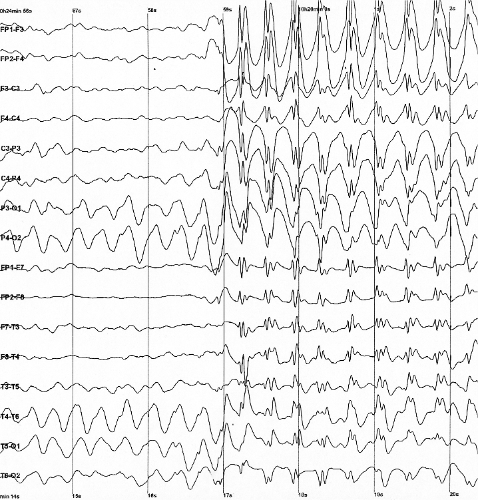
Diagnosis typically combines a detailed medical history with tests such as electroencephalography (EEG) and brain imaging (MRI or CT). Blood tests can help identify metabolic or infectious contributors. Treatment aims to prevent seizures and minimise side effects. First-line therapy is antiseizure medication chosen to match the seizure type. Other options include epilepsy surgery to remove or disconnect a seizure focus, neurostimulation (vagus nerve stimulation, deep brain stimulation or responsive neurostimulation), dietary therapy (for example, ketogenic diets in selected cases) and carefully supervised withdrawal of medication for people in long-term remission.
Living with epilepsy and first aid
Many people with epilepsy lead full lives but may face challenges with driving restrictions, education, employment and social stigma. Support networks, clear safety plans and education for families and workplaces improve outcomes. Basic seizure first aid guidance includes:
- Protect the person from injury and cushion the head.
- Do not restrain movements or place anything in the mouth.
- If breathing is impaired, gently roll the person onto their side once convulsions stop.
- Time the seizure; call emergency services if a convulsive seizure lasts more than five minutes, if breathing stops, or if multiple seizures occur without recovery.
For practical advice and local support see first aid and safety.
History, prognosis and notable facts
Epilepsy has been observed since antiquity and has often been associated with stigma. Scientific understanding improved with advances such as the development of the EEG in the early 20th century and modern brain imaging. While many people become seizure-free with appropriate treatment, uncontrolled seizures increase the risk of injury and of sudden unexpected death in epilepsy (SUDEP). Ongoing research and patient advocacy continue to expand treatment options and social support. For reliable background material and further reading see medical resources, seizure type guides and diagnosis and treatment options.
Questions and answers
Q: What is epilepsy?
A: Epilepsy is a chronic condition of the brain characterized by seizures that do not seem to have an obvious cause.
Q: What are the symptoms of epilepsy?
A: Symptoms of epilepsy include seizures that present as episodes of heavy shaking. Depending on the seizure, the shaking may be short and difficult to detect or it may be longer.
Q: What causes epilepsy?
A: The exact cause of epilepsy is unknown, but it may be due to genetic factors, brain injury, or brain infections.
Q: What is the difference between epilepsy and being epileptic?
A: People with epilepsy are sometimes called epileptic, but it is the fit or seizure that is "epileptic".
Q: Have people died from seizures?
A: Yes, many people have died from seizures.
Q: Can epilepsy be cured?
A: While epilepsy cannot be cured, it can be managed with medication and other treatments.
Q: Is it possible to prevent epilepsy from developing in the first place?
A: While it is not always possible to prevent the development of epilepsy, avoiding brain injuries and infections may reduce the risk.
Related articles
Author
AlegsaOnline.com Epilepsy: causes, seizure types, diagnosis, treatment and living with the condition Leandro Alegsa
URL: https://en.alegsaonline.com/art/31723
Sources
- commons.wikimedia.org : Epilepsy
- doi.org : "Guidelines for epidemiologic studies on epilepsy. Commission on Epidemiology and Prognosis, International League Against Epilepsy"
- doi.org : 10.1111/j.1528-1157.1993.tb00433.x
- pubmed.ncbi.nlm.nih.gov : 8330566
- doi.org : "Glossary of descriptive terminology for ictal semiology: report of the ILAE task force on classification and terminology"
- doi.org : 10.1046/j.1528-1157.2001.22001.x
- pubmed.ncbi.nlm.nih.gov : 11580774
- who.int : "Epilepsy"
- doi.org : 10.1111/j.1528-1167.2011.03121.x
- pubmed.ncbi.nlm.nih.gov : 21899536
- doi.org : 10.1016/S1474-4422(09)70240-6
- pubmed.ncbi.nlm.nih.gov : 19800848
- books.google.com : Handbook of epilepsy
- books.google.com : Wyllie's treatment of epilepsy : principles and practice
- doi.org : 10.1016/S0140-6736(12)61381-6