
Dimorphodon — Early Jurassic pterosaur notable for two tooth types
Dimorphodon is an Early Jurassic pterosaur known for a large head, heterodont dentition (two tooth types), and early fossil discoveries in England by Mary Anning; it illuminates pterosaur diversity and ecology.
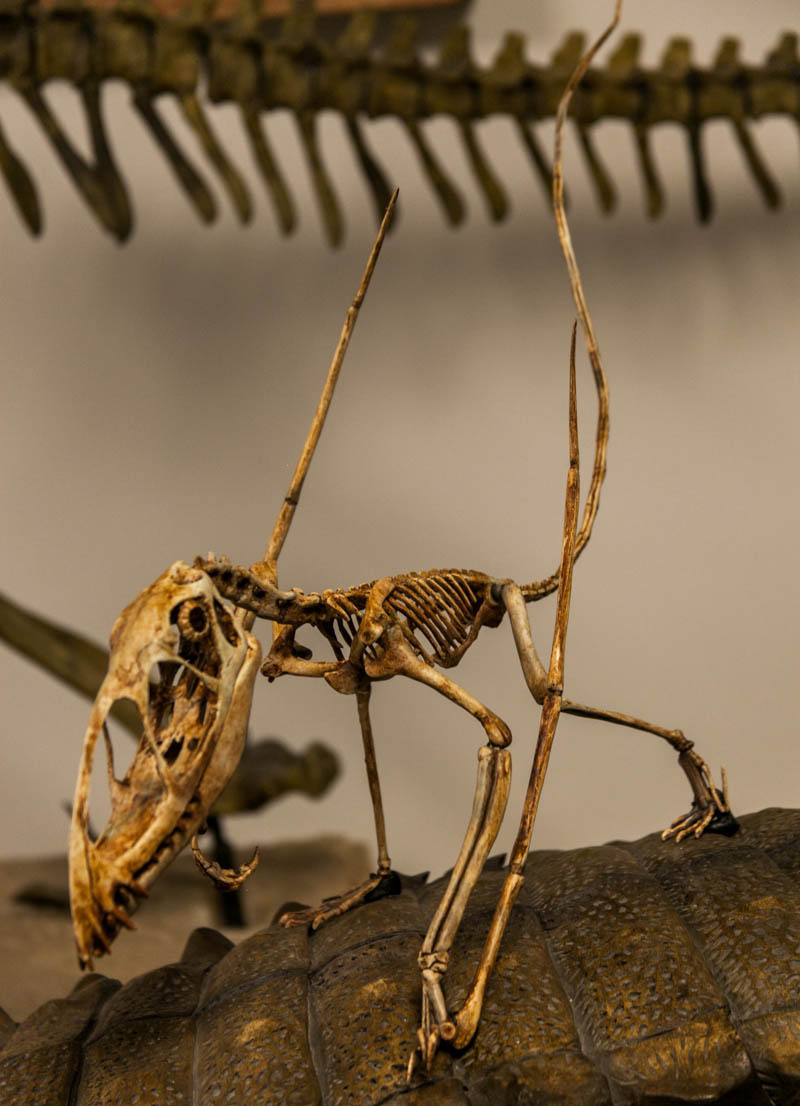
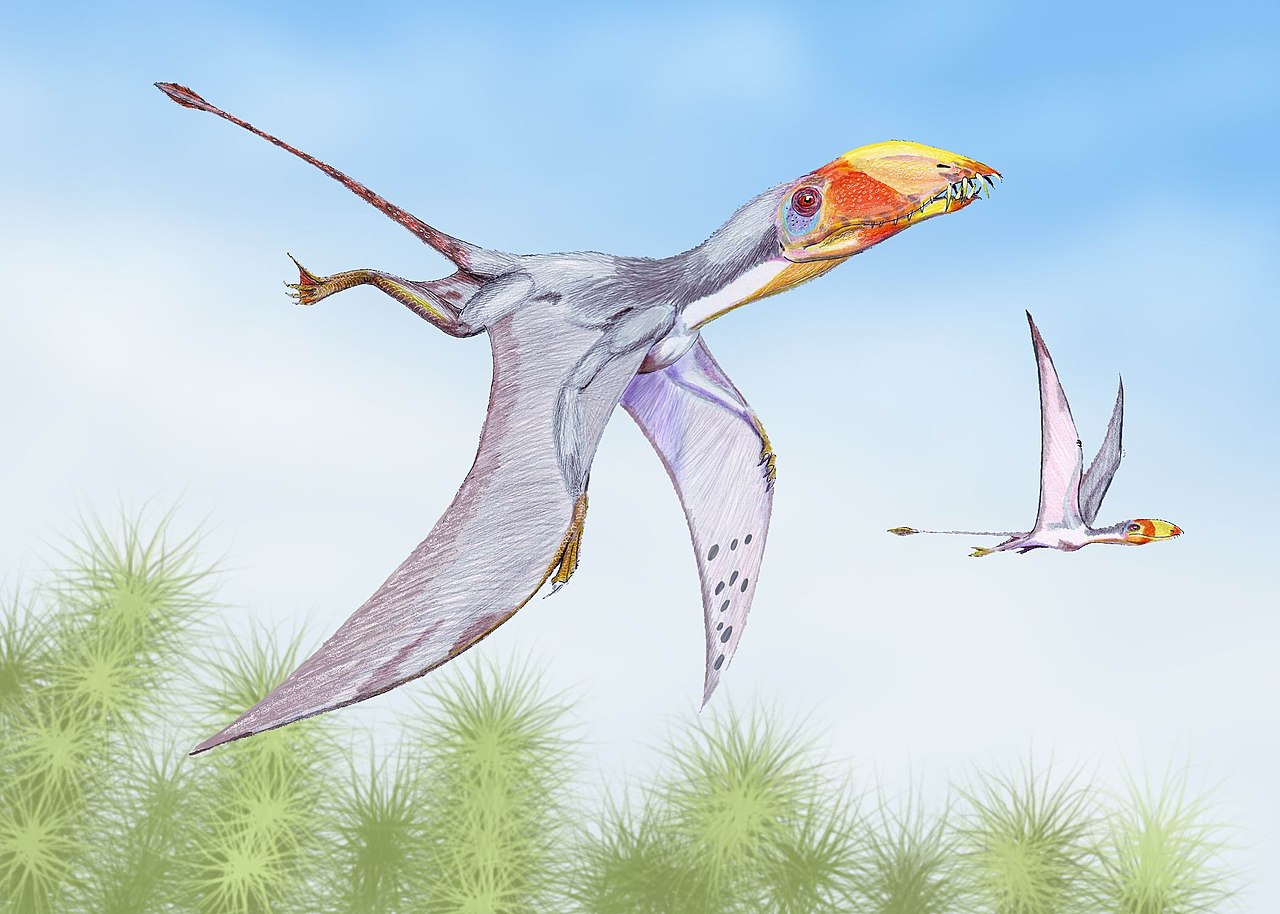
Dimorphodon was a genus of flying reptile (a pterosaur) that lived during the Early Jurassic. It is best known for a relatively large skull, strong jaws and an unusual pattern of heterodont dentition — meaning it carried two distinct types of teeth — a feature uncommon among pterosaurs. Its anatomy and fossils have helped paleontologists understand early pterosaur diversity and lifestyles. For a general reference see flying pterosaur.
Image gallery
10 Images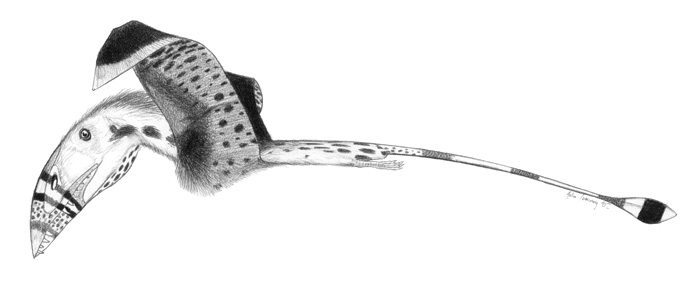




Physical characteristics
Dimorphodon combined a robust, short snout with large recurved teeth near the front and smaller, peg-like teeth further back. The head was proportionally large compared with the rest of the body, while the braincase appears modest in size. The skeleton shows adaptations for flight — elongated finger bones supporting a wing membrane — together with a stiffened tail that likely aided stability. Compared to some later pterosaurs, its wings were relatively short and its body relatively compact. It is usually placed in the Early Jurassic context: Early Jurassic.
Discovery and fossil record
The first specimens were discovered on the southern coast of England in the early 19th century; the initial find is credited to fossil collector Mary Anning in 1828, making Dimorphodon among the earliest pterosaur fossils known from Britain. Like Rhamphorhynchus, its remains are primarily found in Jurassic marine-influenced deposits. Dimorphodon fossils are typically recovered from Jurassic strata (Jurassic strata) of the English coast (England).
Geographic range and species
Although best known from England, material identified as Dimorphodon or closely related forms has been reported from other Early Jurassic sites. A species-like record has been identified in Mexico’s La Boca Formation; that occurrence is associated with La Boca Formation and spans the Lower Jurassic interval. These wider occurrences suggest the group had a broader geographic distribution than early finds alone implied.
Ecology and behavior
- Feeding: Heterodont teeth suggest a varied diet; front teeth were suited to grasping while rear teeth processed food, indicating possible insectivory, small vertebrate capture, or opportunistic piscivory.
- Flight and locomotion: Anatomy supports powered flight, but limb proportions and joint structure also point to competent terrestrial movement when on the ground.
- Role in ecosystems: As an early pterosaur, Dimorphodon occupied niches among flying vertebrates before later, often larger, pterosaur groups diversified.
Dimorphodon remains important to paleontology because its distinctive teeth and combination of primitive and specialized traits provide insight into how pterosaurs diversified during the Jurassic. For further reading and fossil databases consult specialist sources and museum collections: general pterosaur overview, regional entries such as Jurassic time and site-specific literature linked to comparative taxa and stratigraphic reports.
Related articles
Author
AlegsaOnline.com Dimorphodon — Early Jurassic pterosaur notable for two tooth types Leandro Alegsa
URL: https://en.alegsaonline.com/art/27464