
Diplodocids (Diplodocidae): long-necked sauropod dinosaurs
Diplodocids are a family of large, long-necked sauropod dinosaurs known for extreme body length, peg-like teeth and distinctive tail anatomy. Notable members include Diplodocus, Apatosaurus and Supersaurus.
Overview
Diplodocids are members of the sauropod family Diplodocidae, a group of herbivorous, long-necked dinosaurs that lived primarily during the Late Jurassic. These animals are among the longest land vertebrates known, represented by genera such as Diplodocus and Supersaurus. They are classified within the larger clade of sauropod dinosaurs and are characterized by proportionally elongated necks and tails, columnar limbs, and a generally gracile skull with pencil-like teeth.
Image gallery
10 Images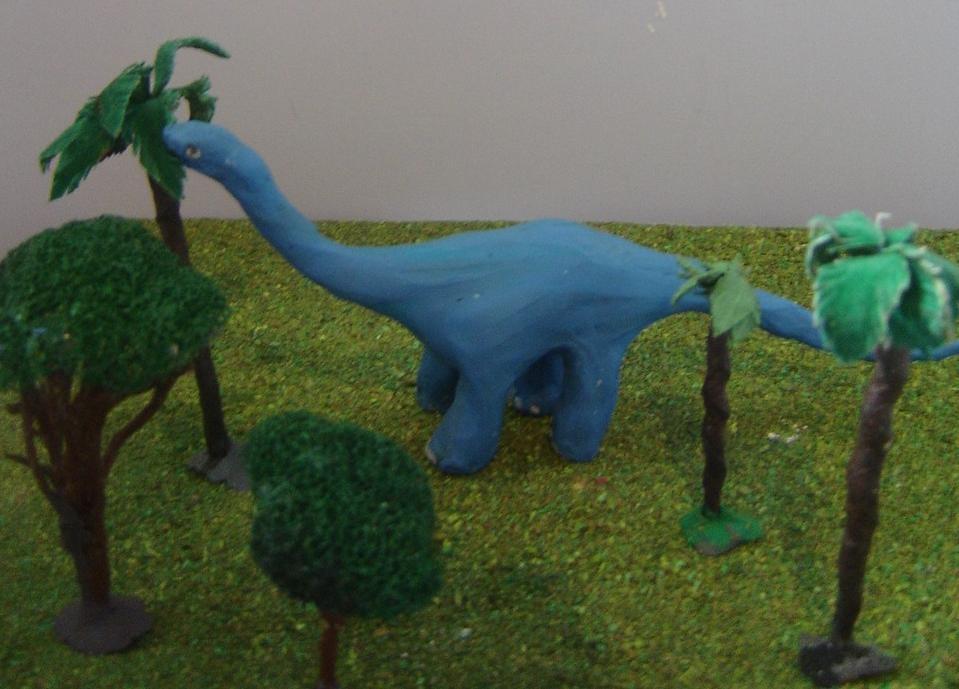




Key characteristics
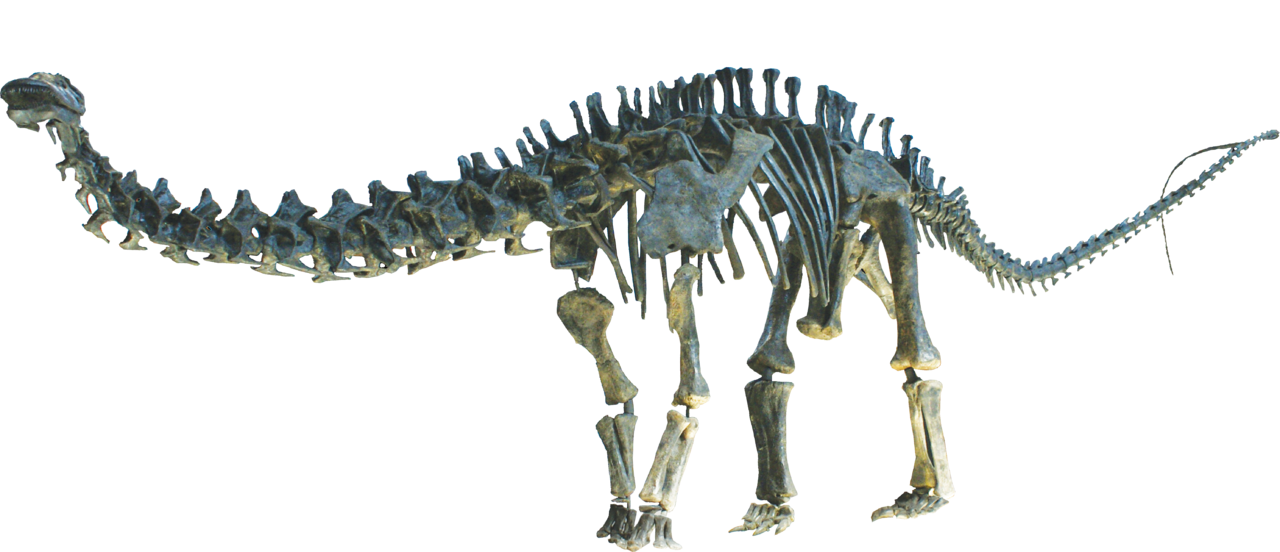
Diplodocids had a suite of anatomical traits that set them apart from other sauropods. Typical features include reduced, spatulate or peg-shaped teeth confined to the front of the jaws; elongated vertebrae in the neck and tail; and specialized chevron bones beneath the tail that inspired the family name (literally "double beams"). Their limbs supported heavy bodies with a digitigrade or semiplantigrade stance, and their tails could be extremely long, sometimes making up half the animal's total length.
- Teeth and feeding: Peg-like teeth suited to stripping foliage rather than grinding.
- Neck and tail: Long cervical and caudal series for reach and balance.
- Posture: Quadrupedal, with column-like limbs.
Feeding and digestion
Diplodocids were herbivores that likely fed by nipping leaves and soft plant parts with their front-positioned teeth. They probably did not chew extensively; instead, swallowed vegetation was processed in the gut. Like many large dinosaurs, diplodocids are thought to have relied on gastroliths and microbial fermentation to break down cellulose, allowing bacteria in the gut to help digest plant matter before absorption further along the alimentary canal. This digestive strategy is consistent with their dental morphology and the absence of complex chewing adaptations.
Taxonomy and subgroups
The family Diplodocidae is commonly divided into two main subfamilies: the more slender, long-necked Diplodocinae, and the more robust Apatosaurinae. Members of Diplodocinae tend to show extreme elongation of the neck and tail, while apatosaurines exhibit stockier builds and sometimes more robust vertebrae and limb bones.
- Diplodocinae: long, gracile forms adapted for wide reach.
- Apatosaurinae: more massive, heavily built representatives.
Fossil record and evolutionary context
Fossils assigned to diplodocids are most abundant in Late Jurassic formations of North America, such as the Morrison Formation, though related remains have been reported elsewhere. Diplodocids are closely related to other sauropod families; for example, brachiosaurs are considered a sister group by many workers (brachiosaurs show different limb proportions and feeding strategies). Later sauropod lineages, including the diverse titanosaurs, represent separate branches of the sauropod tree that persisted after diplodocids waned in abundance (titanosaurs).
Notable facts and scientific history
Diplodocids have featured prominently in paleontological history and public imagination. Some genera, like Diplodocus, became museum icons in the 19th and 20th centuries. Taxonomic debates have also been notable—for example, the historical confusion over names such as Apatosaurus and Brontosaurus reflects ongoing revisions in sauropod systematics. Paleobiologists continue to study diplodocid biomechanics, feeding behavior and growth to better understand how these giants lived and interacted with their environments.
For further reading on anatomy, ecology and revised classifications, consult specialized literature and curated databases via museum portals and scholarly resources (digestion and microbial roles, sauropod overview, dinosaur classification, Diplodocus, Supersaurus, digestive tract, Apatosaurus, brachiosaurs, titanosaurs).
Questions and answers
Q: What are Diplodocids?
A: Diplodocids are a group of sauropod dinosaurs known for their elongated bodies.
Q: What is the meaning of the name "Diplodocidae"?
A: The name "Diplodocidae" means "double beams" in reference to their double-beamed tail bones.
Q: How long could Diplodocus and Supersaurus reach?
A: Diplodocus and Supersaurus could reach lengths of up to 34 metres (112 ft).
Q: How did Diplodocids feed?
A: Diplodocids fed on leaves using their peg-like teeth to strip leaves from branches, and gastroliths to assist in the grinding process.
Q: What is the role of bacteria in the Diplodocids' digestion?
A: Bacteria in the Diplodocids' stomachs would break down the cellulose in the leaves, and the product would be absorbed further on in the alimentary canal.
Q: What are the two sub-families of Diplodocids?
A: The two sub-families of Diplodocids are Diplodocinae and Apatosaurinae, with Diplodocus and other long, slender forms in the former, and Apatosaurus and other stocky types in the latter.
Q: What is the relationship between Diplodocids and brachiosaurs?
A: Diplodocids are related to brachiosaurs, which are put into a sister family. The much later titanosaurs were the last group of sauropods on Earth.
Related articles
Author
AlegsaOnline.com Diplodocids (Diplodocidae): long-necked sauropod dinosaurs Leandro Alegsa
URL: https://en.alegsaonline.com/art/27561
Sources
- geol.umd.edu : Winter 2011 Appendix