
Dental caries (tooth decay): causes, progression, prevention and treatment
Dental caries (tooth decay) is the progressive destruction of tooth tissues by acids produced by oral bacteria. This article covers causes, stages, diagnosis, prevention, treatment, and public-health aspects.
Overview
Dental caries, commonly called tooth decay or cavities, is the localized destruction of dental hard tissues by acidic byproducts of microbial metabolism. The process begins when certain microorganisms in the mouth metabolize fermentable carbohydrates and produce acids that demineralize enamel and dentin. The ecological community of microorganisms that can participate in this process is often referred to collectively; for further background see oral bacteria.
Image gallery
10 Images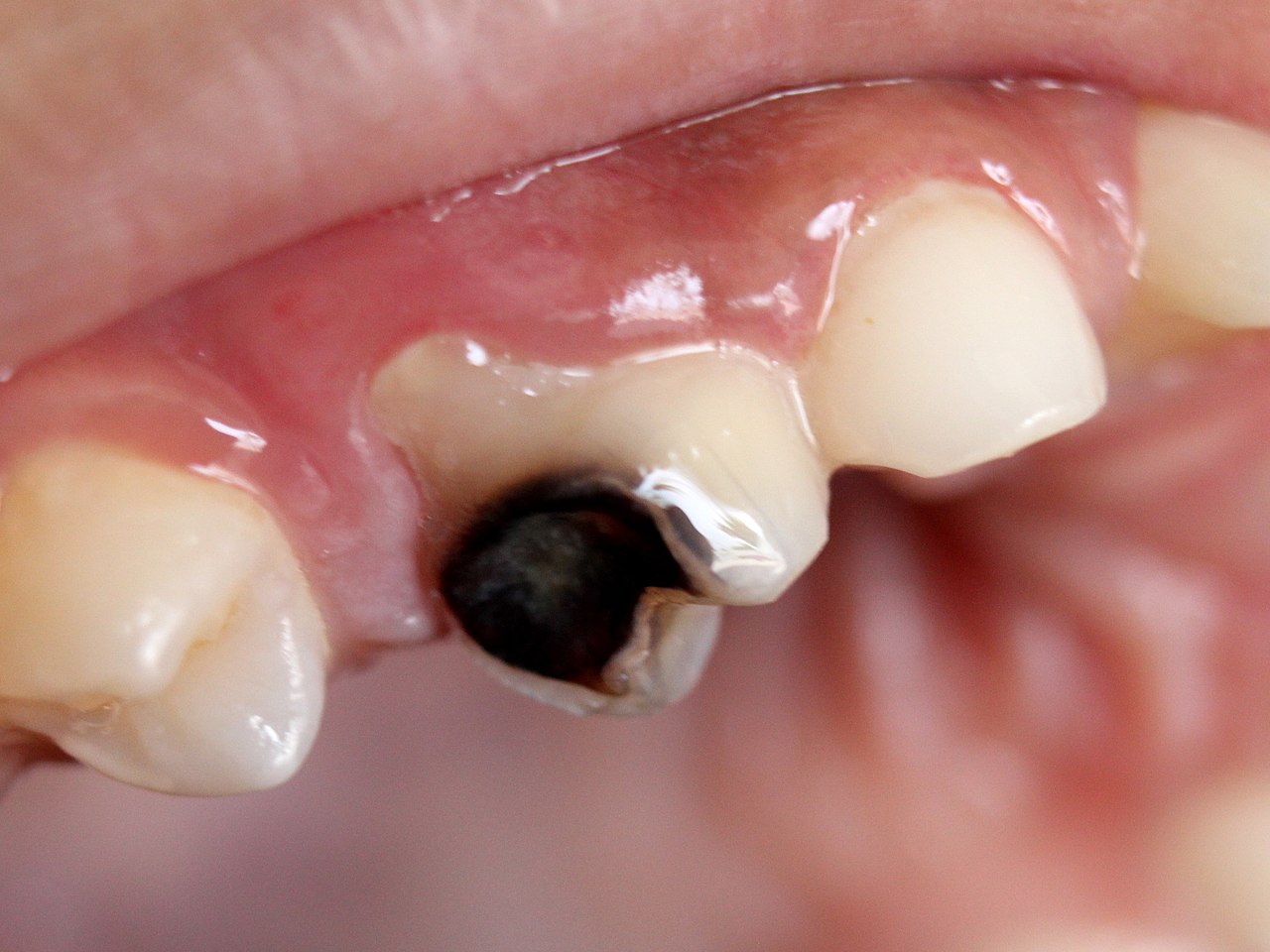



Causes and mechanism
The essential factors that lead to caries are bacteria, susceptible tooth surfaces, fermentable dietary carbohydrates, and time. When sugars and other fermentable substrates remain in the mouth, microorganisms convert them into acids; these acids lower pH at the tooth surface and cause loss of mineral from enamel and dentin. For a concise description of fermentable dietary sugars and starches, see carbohydrates. Bacterial communities often live in a sticky biofilm on teeth; more on that structure is available at biofilm and specifically as plaque.
Stages and clinical features
Early caries is seen as demineralized, often white, opaque spots in enamel. If demineralization continues, it produces a cavity that can penetrate enamel into the underlying dentin. Once the lesion reaches the inner soft tissue of the tooth, the dental pulp and associated nerves can become inflamed, causing sensitivity or pain. Advanced infection may spread to surrounding tissues and, in some cases, result in a tooth abscess.
Diagnosis and distinction
Diagnosis is made by clinical inspection, tactile examination with dental instruments, and often dental radiographs. Dentists distinguish caries from other forms of tooth substance loss such as erosion (chemical wear without bacterial involvement) and attrition (mechanical wear from tooth-to-tooth contact). Early lesions may be arrested or remineralized with appropriate measures; progressive lesions require restorative care.
Prevention and self-care
Effective prevention combines daily oral hygiene, dietary management, and professional measures. Brushing twice daily with fluoride toothpaste and brushing technique that reaches all surfaces reduces biofilm. Regular removal of interdental plaque is aided by tools such as flossing. Maintaining low frequency of sugar intake and avoiding prolonged substrate exposure are important. Community and professional interventions—fluoride varnishes, dental sealants for fissured teeth, and water fluoridation—reduce caries risk.
Treatment options
Management depends on lesion severity. Noncavitated lesions may be managed by remineralization strategies, including topical fluorides and behavior change. Cavitated lesions are restored with fillings; deeper infections that involve the pulp may require root canal therapy or extraction. Follow-up care focuses on preventing recurrence and monitoring restored teeth.
Public health and notable facts
Dental caries remains one of the most common chronic diseases worldwide and is influenced by socioeconomic, behavioral, and access-to-care factors. Prevention is cost-effective and relies on population-level measures as well as individual habits. For resources on personal care and professional guidance, readers can consult general guidelines on oral hygiene, community health materials at oral bacteria overview, and educational pages about plaque control. Further reading on specific topics: dentin structure, pulp biology, dental nerves, and management of complications like abscess. Practical advice about diet and sugars is summarized at carbohydrates guidance and the science of biofilms.
Related articles
Author
AlegsaOnline.com Dental caries (tooth decay): causes, progression, prevention and treatment Leandro Alegsa
URL: https://en.alegsaonline.com/art/26641