
Dental floss: purpose, types, technique, history, and alternatives
Dental floss is a thin filament used to clean between teeth where brushes cannot reach. This article explains types, correct technique, health benefits, brief history, and comparisons with alternatives.
Dental floss is a narrow filament—originally made of silk and now often of synthetic fibers—designed to remove food particles and dental plaque from the tight spaces between adjacent teeth. It complements a toothbrush by reaching interdental areas that a brush bristles cannot contact effectively. Regular use of floss helps reduce the accumulation of plaque, the bacteria-laden film that adheres to enamel and gums, decreasing the risk of decay and gum inflammation.
Image gallery
6 Images



Types and characteristics
Floss comes in several forms to suit different mouth anatomies and personal preferences. Common varieties include:
- Waxed and unwaxed filament: Waxed floss slides more easily for tight contacts; unwaxed floss can fray less on older restorations.
- Floss tape: A wider, ribbon-like product useful for larger interdental spaces.
- Monofilament (PTFE) floss: Extremely smooth and often marketed as shred-resistant.
- Dental floss picks: Pre-mounted short lengths of floss on a rigid handle for convenience.
- Specialty fibers: Some are spongy or braided to remove more plaque where spacing allows.
Manufacturers continue to refine textures, flavors, and coatings to make flossing easier and more pleasant. For general reference, the product is a type of thread intended for oral hygiene.
How to use dental floss and recommended technique
Successful flossing is about both frequency and technique. Dentists typically advise flossing at least once per day; many suggest doing it before brushing so fluoride from toothpaste can more easily contact exposed surfaces. A basic method is as follows:
- Break off about 18 inches of floss and wind most of it around one middle finger, the rest around the opposite finger so a fresh section can be advanced.
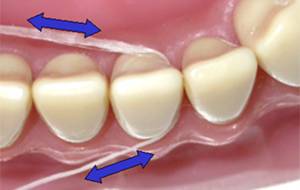
- Gently guide the floss between two teeth, using a sawing motion if necessary without forcing it.
- Curve the floss into a C-shape against one tooth and slide it beneath the gumline, then repeat on the adjacent tooth.
- Use a clean section for each contact to avoid moving debris back into cleaned spaces.
It is not uncommon for gums to bleed slightly when someone first starts flossing regularly; minor bleeding usually diminishes as gum tissue becomes healthier. Floss removes the film of microbes that adheres between teeth—commonly called plaque—and reduces the pathogens that can inflame soft tissues and erode enamel. For issues of inaccessible contacts, or for those who find string floss difficult, interdental brushes or a water flosser may be alternatives.
Health benefits and why flossing matters
Flossing addresses areas that a toothbrush cannot adequately clean. Food packing and plaque accumulation between teeth create an environment where oral bacteria thrive. These microorganisms can metabolize sugars and produce acids that attack tooth enamel and irritate gum tissues. Regular interdental cleaning helps prevent gingival inflammation and the progression of gum problems into more serious periodontal conditions that affect the supporting bone and connective tissues.
Specifically, flossing reduces the substrate available to oral bacteria, lowers risk factors for gingivitis, and can lessen bad breath caused by trapped debris. When hard or fibrous food becomes lodged—such as meat fibers or tough vegetable strands—it can cause discomfort; in such situations people sometimes turn to a toothpick, but floss typically reaches closer to the gum line and cleans more effectively.
Brief history and development
Interdental cleaning has roots in many cultures where people used natural fibers, thin sticks, or threads to dislodge trapped food. In modern dentistry, the concept of using thin filament between teeth was promoted in the 19th century and later developed into manufactured products during the 20th century. Over time, materials shifted from natural silk to durable synthetics like nylon and PTFE, improving strength, resistance to shredding, and variety of textures.
Alternatives, limitations, and practical notes
- Alternatives: Interdental brushes, soft picks, and oral irrigators can be better suited for people with braces, bridges, wide spaces, or limited manual dexterity.
- Limitations: Flossing is most effective when combined with regular toothbrushing and professional dental checkups; it cannot restore lost bone or reverse advanced periodontal disease on its own.
- Practical tips: Use appropriate floss type for tight or wide spaces, be gentle near the gums, and consult a dental professional for personalized instruction.
For product choices or technique demonstrations, many educational resources and dental professionals provide step-by-step guidance; consult your dental care provider for recommendations tailored to your oral health needs and anatomy. Additional general information about interdental cleaning and toothbrush use may be found through reputable oral health sources or your clinician: for example, see discussions of cleaning between spaces between teeth and how it complements a toothbrush.
Questions and answers
Q: What is dental floss?
A: Dental floss is a special type of thread that is used for cleaning spaces between teeth which cannot be reached by toothbrushes.
Q: Why is it important to floss before brushing teeth?
A: It is important to floss before brushing teeth because tooth brushing will not clean food that is packed between the teeth, and this 'food packing' can lead to unhealthy teeth and gums.
Q: What are the bacteria called that come from food on the teeth and between the teeth?
A: The bacteria that come from food on the teeth and between the teeth are called "plaque" or "bacterial plaque".
Q: How does flossing help to prevent gum disease?
A: Flossing helps to prevent gum disease by reducing the danger of serious diseases of the jaw bone, such as periodontal disease.
Q: What types of food often get trapped between the teeth?
A: Foods such as chicken and turkey meat, which are hard and full of fibres, often get trapped between the teeth.
Q: Why should people use dental floss instead of a toothpick to remove trapped food from between their teeth?
A: People should use dental floss instead of a toothpick because it is much thinner than a toothpick and can thus get to places that most toothpicks cannot reach, so it presumably does a better job at getting bits of food out from between the teeth.
Author
AlegsaOnline.com Dental floss: purpose, types, technique, history, and alternatives Leandro Alegsa
URL: https://en.alegsaonline.com/art/26643