
Dermatitis: causes, types, symptoms and management
Dermatitis is inflammation of the skin that produces rashes and itching. This article explains major forms, clinical features, causes, diagnosis, treatment approaches and key distinctions.
Dermatitis denotes inflammation of the skin. The term is used broadly to describe a group of conditions that produce redness, itching, scaling or blisters. In common usage dermatitis often overlaps with the word eczema, and both labels may be used for the same clinical patterns. For a concise definition see inflammation of the skin.
Image gallery
8 Images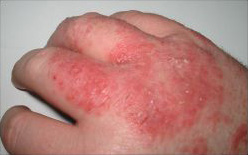




Typical features
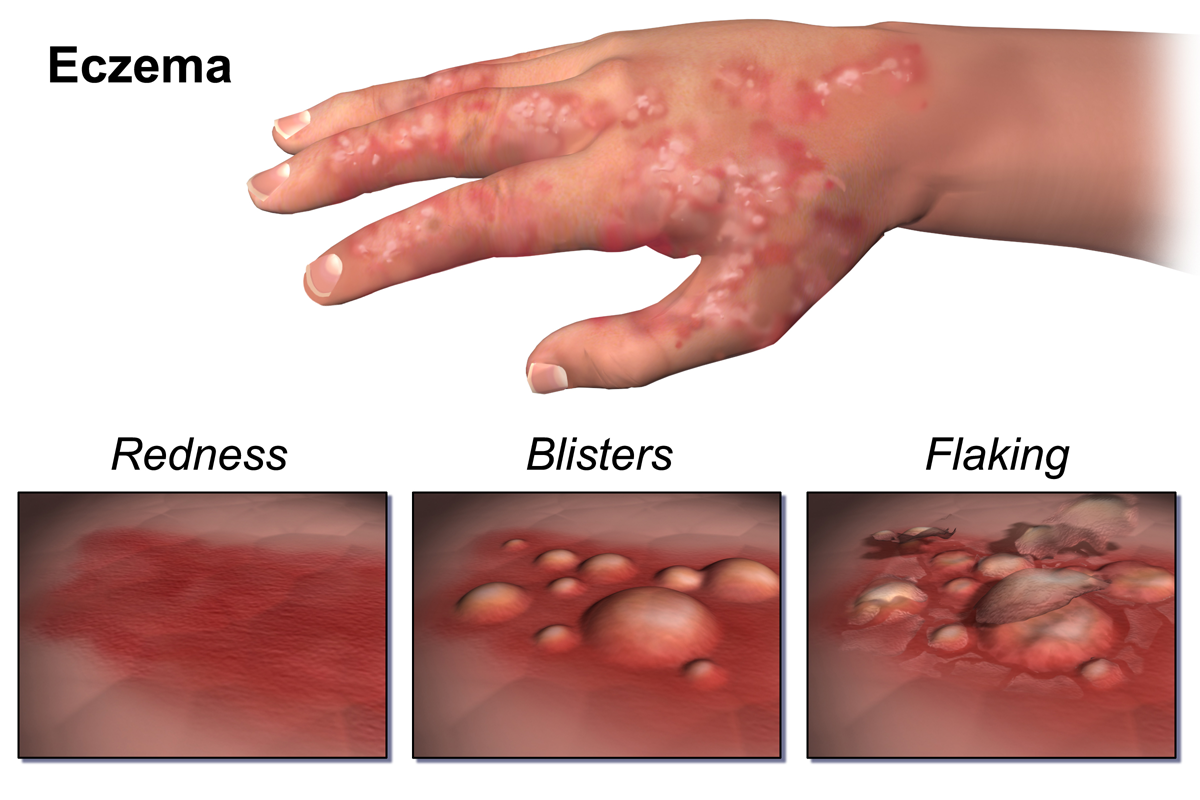
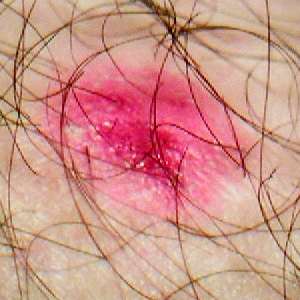
Symptoms vary with type and stage. Acute dermatitis commonly causes intense redness, swelling and small fluid-filled blisters. Chronic dermatitis more often shows dry, thickened skin (lichenification), pigment changes and sometimes fissures. Secondary bacterial or viral infection can complicate inflamed skin.
Common types
- Atopic dermatitis — a chronic, relapsing form linked to family history of allergies and asthma.
- Contact dermatitis — caused by direct exposure to irritants or allergens (irritant vs allergic contact dermatitis).
- Seborrheic dermatitis — affects oily areas such as the scalp and face, producing flaky scales.
- Stasis and nummular dermatitis — related to circulation problems or round eczema lesions, respectively.
Causes and triggers
Dermatitis arises from a mix of factors: skin barrier weakness, immune system responses, environmental irritants (soaps, solvents), allergens (nickel, fragrances), climate (dry or cold weather) and, in some forms, genetic predisposition. Identifying and avoiding triggers is a core strategy for control.
Diagnosis and management
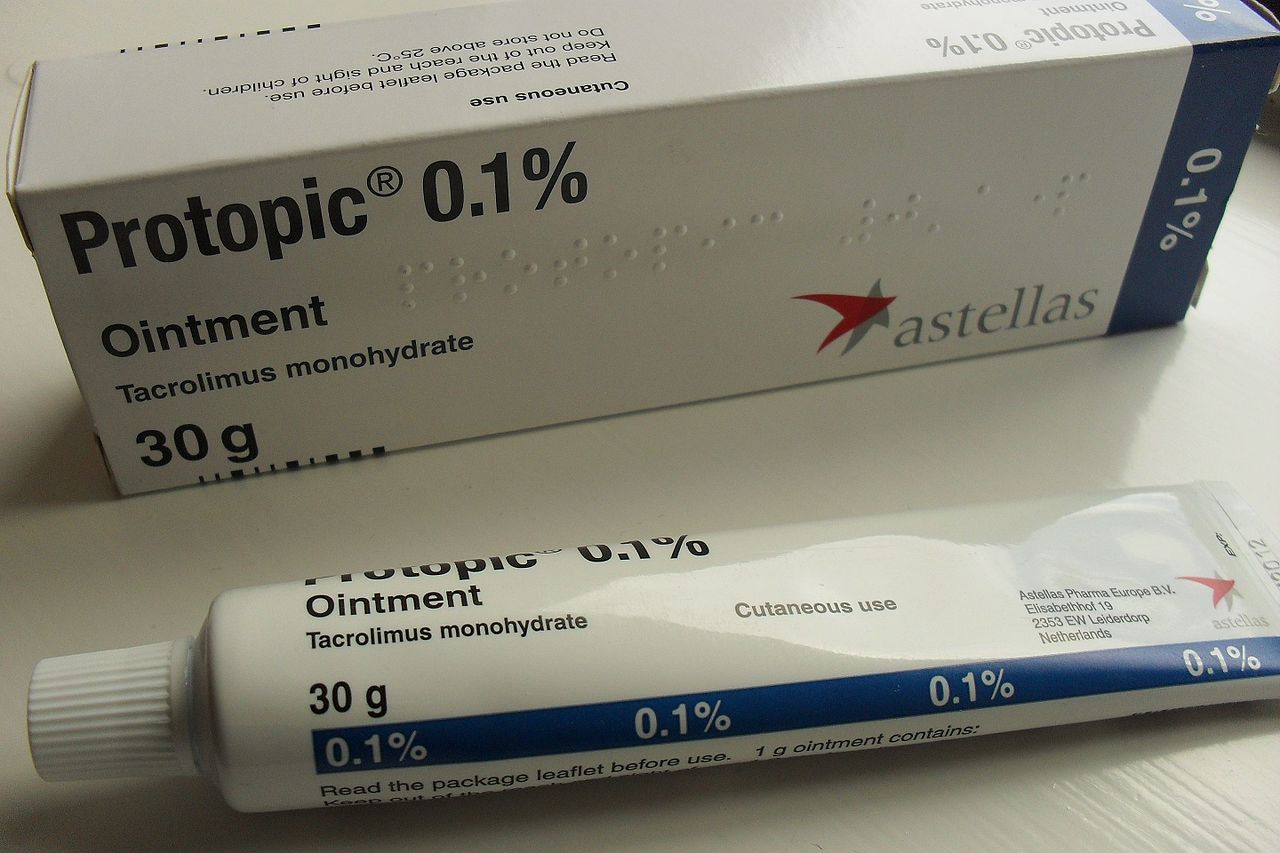
Diagnosis is usually clinical, based on appearance and history; patch testing can identify contact allergens. First-line care includes gentle skin care and moisturizers, short courses of topical corticosteroids for flares, and nonsteroidal topical agents for long-term control. For persistent or severe disease options include phototherapy, systemic immunosuppressants or targeted biologic therapies under specialist supervision. Treating infections and educating patients about trigger avoidance are important.
Historically the word dermatitis derives from Greek roots meaning skin plus inflammation. Important distinctions include differentiating dermatitis from conditions with similar appearance, such as psoriasis or fungal infections, because treatment differs. With appropriate self-care and medical treatment most people achieve significant symptom relief and fewer flares.
Related articles
Author
AlegsaOnline.com Dermatitis: causes, types, symptoms and management Leandro Alegsa
URL: https://en.alegsaonline.com/art/26785