
Demography of Afghanistan
Summary of Afghanistan's population: size, ethnic and linguistic composition, religion, displacement and historical trends shaping its demographic profile.
Overview
The population of Afghanistan has varied over recent decades; estimates around 2011 placed it near 29.8 million. Large numbers of Afghans have lived abroad as refugees, with substantial communities concentrated in Pakistan and Iran. Internal displacement and migration have also been important forces shaping population totals and regional distributions.
Image gallery
10 Images



Ethnic composition
Afghanistan is widely described as multi-ethnic. Several broad groups with distinct languages, histories and cultural practices populate the country. The major groups include:
Languages
The country is multi-lingual. Two languages hold official status: Dari (Persian) and Pashto. In everyday life many Afghans are bilingual or speak regional languages and dialects, and urban areas often show linguistic mixing.
Population distribution and movement
Demographic patterns vary by geography: highland and rural provinces tend to have lower population densities than river valleys and cities. Years of conflict, economic opportunity, natural disasters and governance changes have produced internal displacement as well as emigration. At various times millions of Afghans have been recorded as refugees abroad, shaping both the domestic labor force and transnational family networks.
Religion, age structure and social indicators
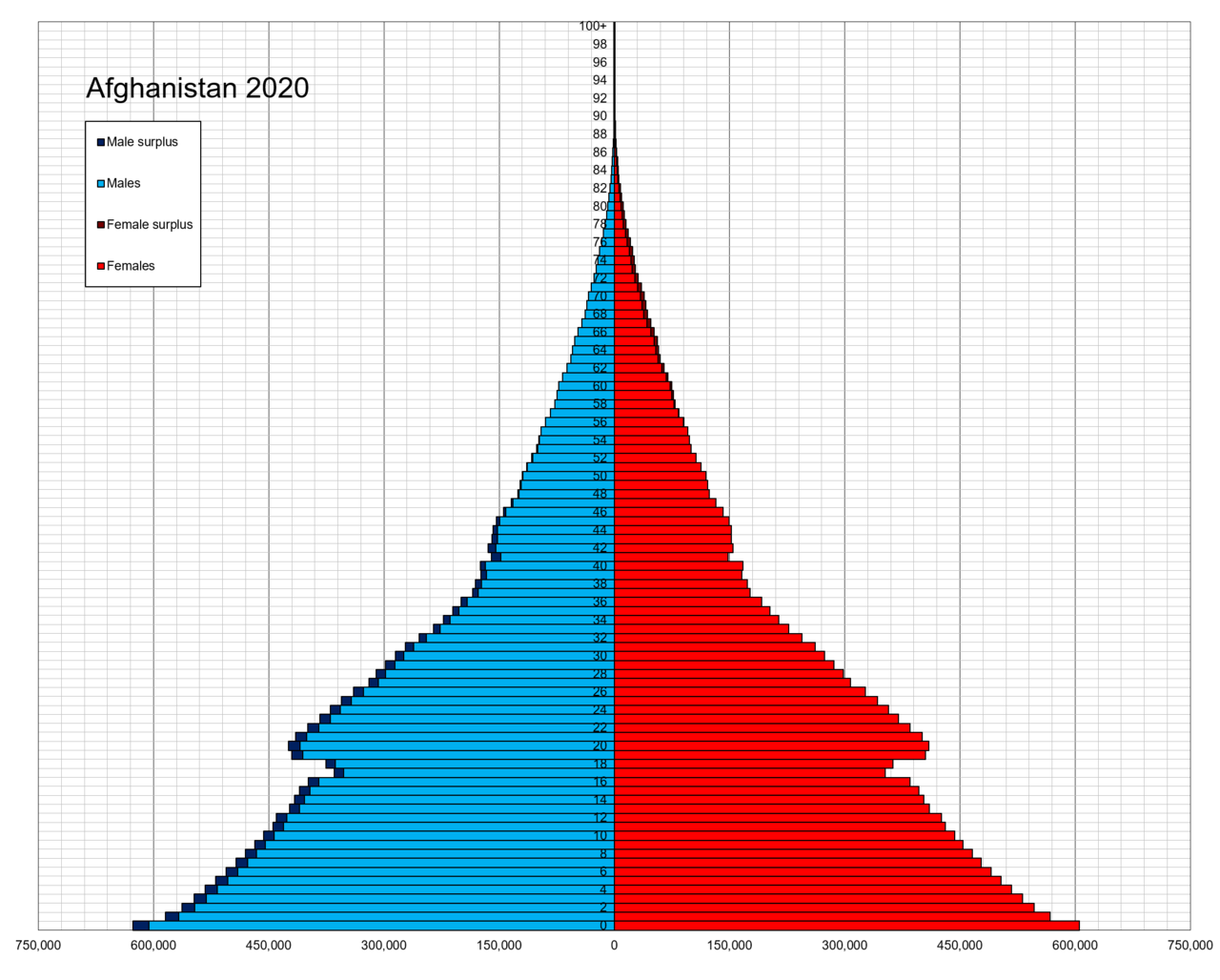
More than 99% of the population identifies with Islam, which plays a central role in cultural and civil life. Afghanistan has a youthful age profile, with a high share of children and young adults; this affects schooling needs, employment, and public services. Health, education and economic indicators have fluctuated with access to institutions and stability, contributing to regional differences in life expectancy and literacy.
History and notable facts
Historical migrations, empire boundaries, and modern political events have all influenced Afghanistan's demography. The mix of Iranic peoples and Turkic minorities, cross-border kinship links with neighbors, and a long history of urban centers and rural tribal regions contribute to a complex demographic landscape that continues to evolve. For further context and data sources see regional and international profiles: country overview, host country data (Pakistan), host country data (Iran), and thematic summaries on ethnicity and language (ethnicity, language).
Related articles
Author
AlegsaOnline.com Demography of Afghanistan Leandro Alegsa
URL: https://en.alegsaonline.com/art/26520