
Deosai Mountains and Plains
High-altitude plateau and mountain region between the Vale of Kashmir, Gilgit Agency and Baltistan, known for its expansive plain, alpine ecology and seasonal access routes.
Overview
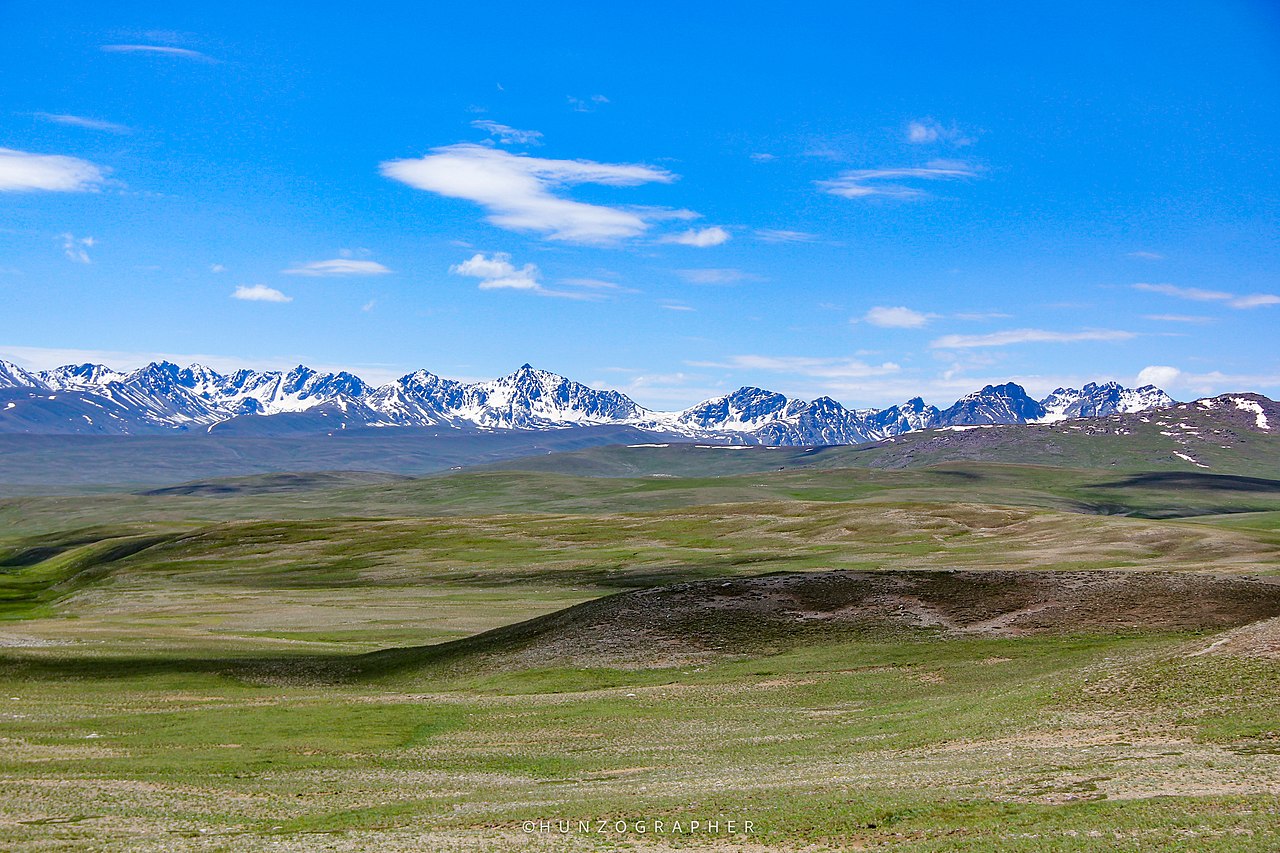
The Deosai region comprises a high-altitude mountain zone and an extensive plateau between the Vale of Kashmir, the historic Gilgit Agency area and Baltistan. Often referred to simply as the Deosai Plains, this landscape is notable for its broad, treeless expanse ringed by rocky peaks and for being largely uninhabited year-round. The plain itself is commonly described as covering roughly 580 square miles and lies at extreme heights, with reported elevation values in the vicinity of 16,000–17,000 feet (4,900–5,200 metres).
Image gallery
8 Images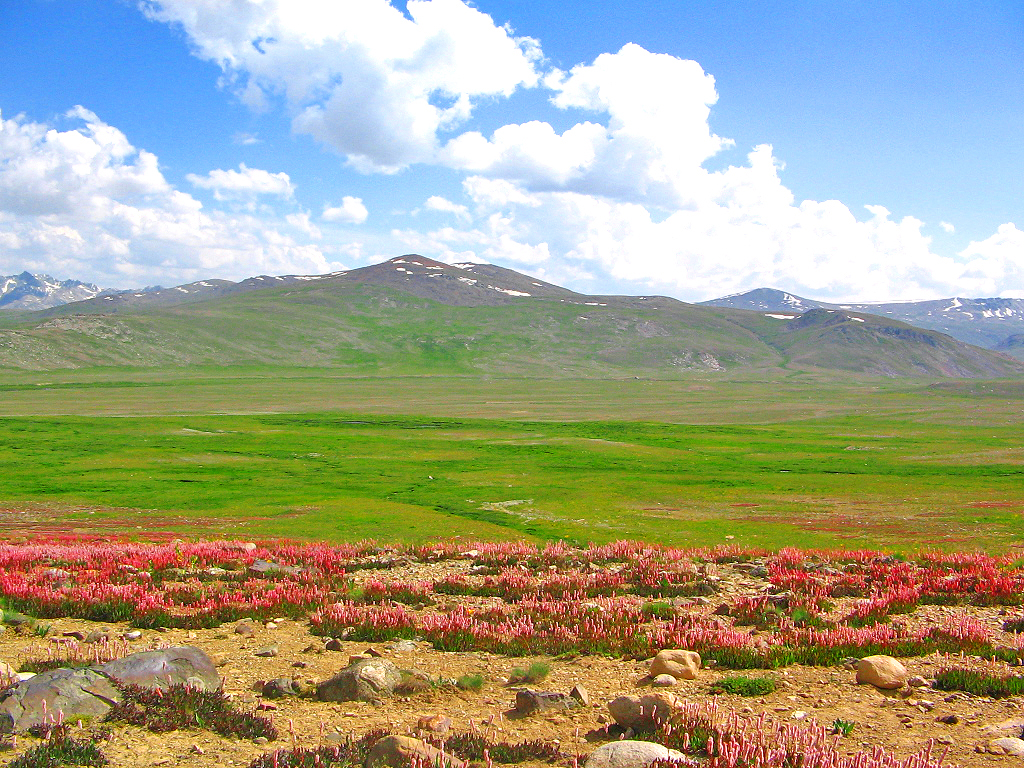


Geography and access
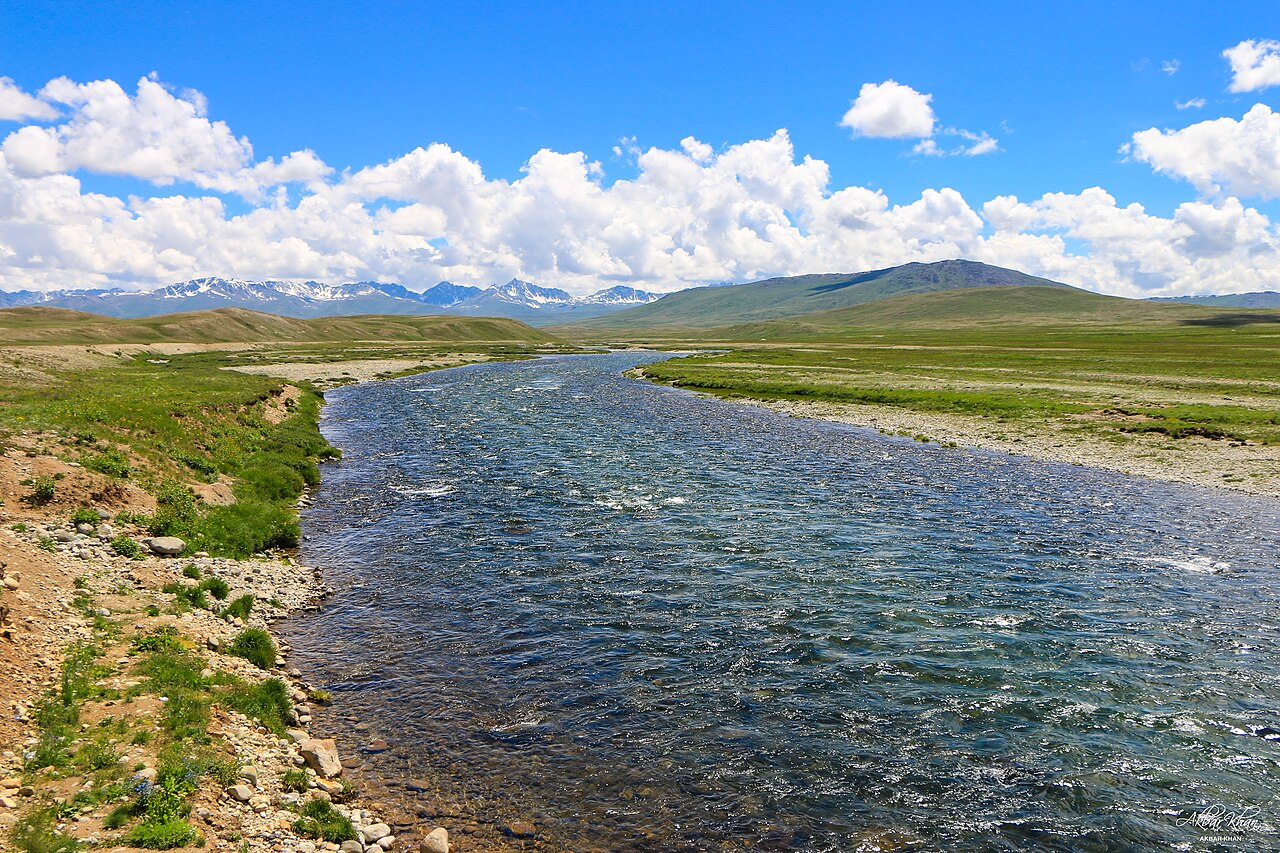
Geographically, Deosai is a high plateau formed by tectonic uplift and shaped by glacial and periglacial processes. It sits at the southern edge of the greater Karakoram–Himalayan region and is surrounded by steep ridges and passes. Traditional routes linking the Vale of Kashmir to Baltistan and Gilgit cross the Deosai area; among the better-known historic passages are the Tragbal Pass and the Burzil Pass. A seasonal road from Gurez to Skardu is routed through portions of the plain, though winter snows make the area inaccessible for many months.
Flora, fauna and protection
Despite the harsh climate, the plateau supports a distinctive alpine ecosystem. Short grasses, cushion plants and a burst of wildflowers appear during the brief summer. The area is important for large mammals and birds adapted to high altitudes; it has been the focus of conservation because of species such as the Himalayan brown bear and several alpine bird species. Portions of Deosai are managed for conservation to protect these habitats and their seasonal wildlife populations.
Human use, history and significance
Humans have used the Deosai plateau intermittently rather than as a permanent settlement zone. Pastoralists historically led flocks and herds onto the plain in summer months, and local communities have long used the passes that traverse the highlands for trade and migration. In modern times the region has drawn visitors for trekking, nature observation and cultural tourism, with access and services concentrated in the short, snow-free season.
Notable facts
- The plain is largely uninhabited and is surrounded by rugged mountains.
- Seasonal roads through Deosai connect valleys and districts but are often closed by snow.
- Conservation efforts focus on protecting alpine flora and large mammals native to high plateaus.
Related articles
Author
AlegsaOnline.com Deosai Mountains and Plains Leandro Alegsa
URL: https://en.alegsaonline.com/art/26671