
Turkmen people
Turkmen (or Turkomans) are a Turkic-speaking people of Central Asia, concentrated in Turkmenistan and present across the Middle East and Central Asia; known for their language, tribal heritage, crafts and equestrian culture.
Overview
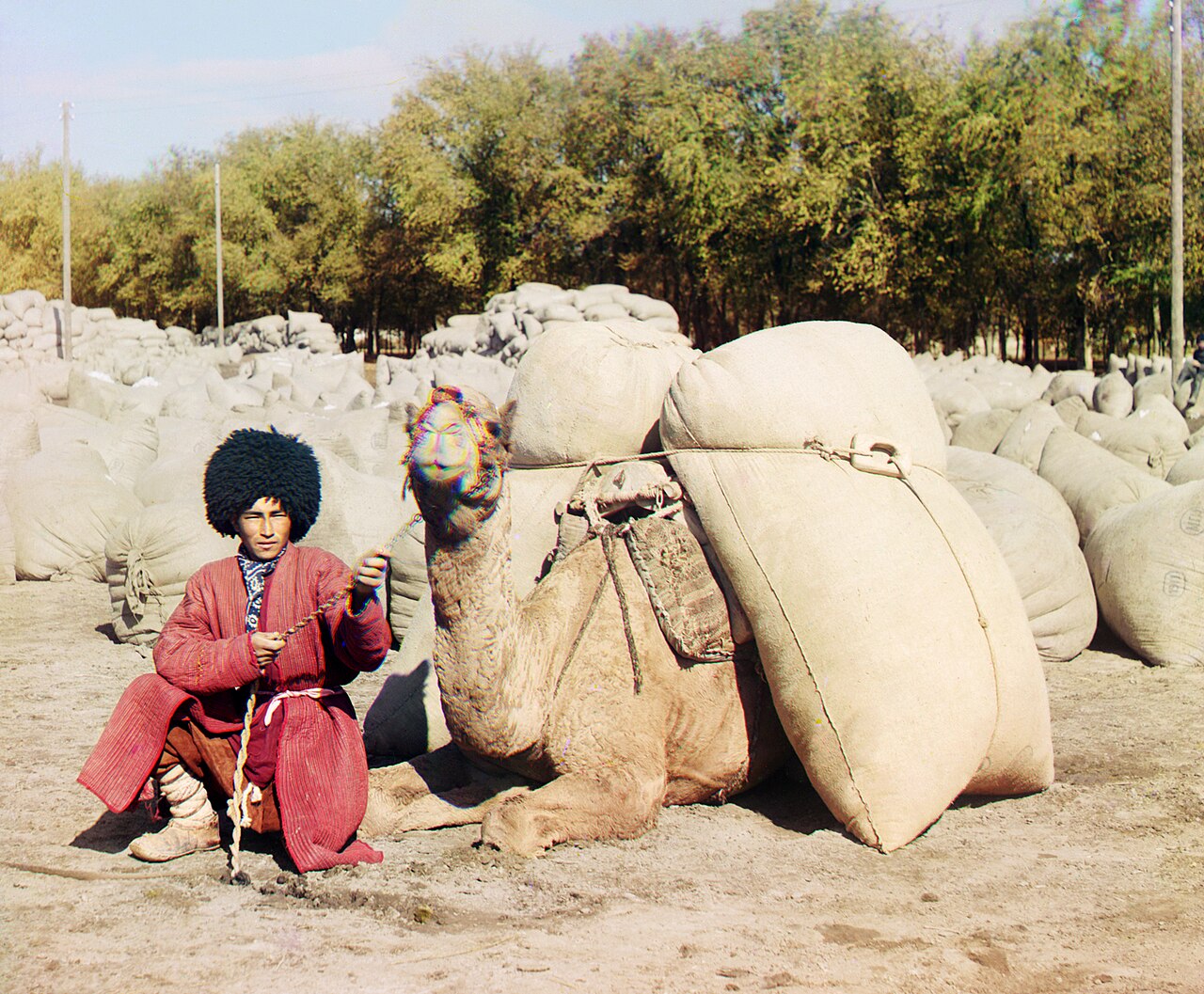
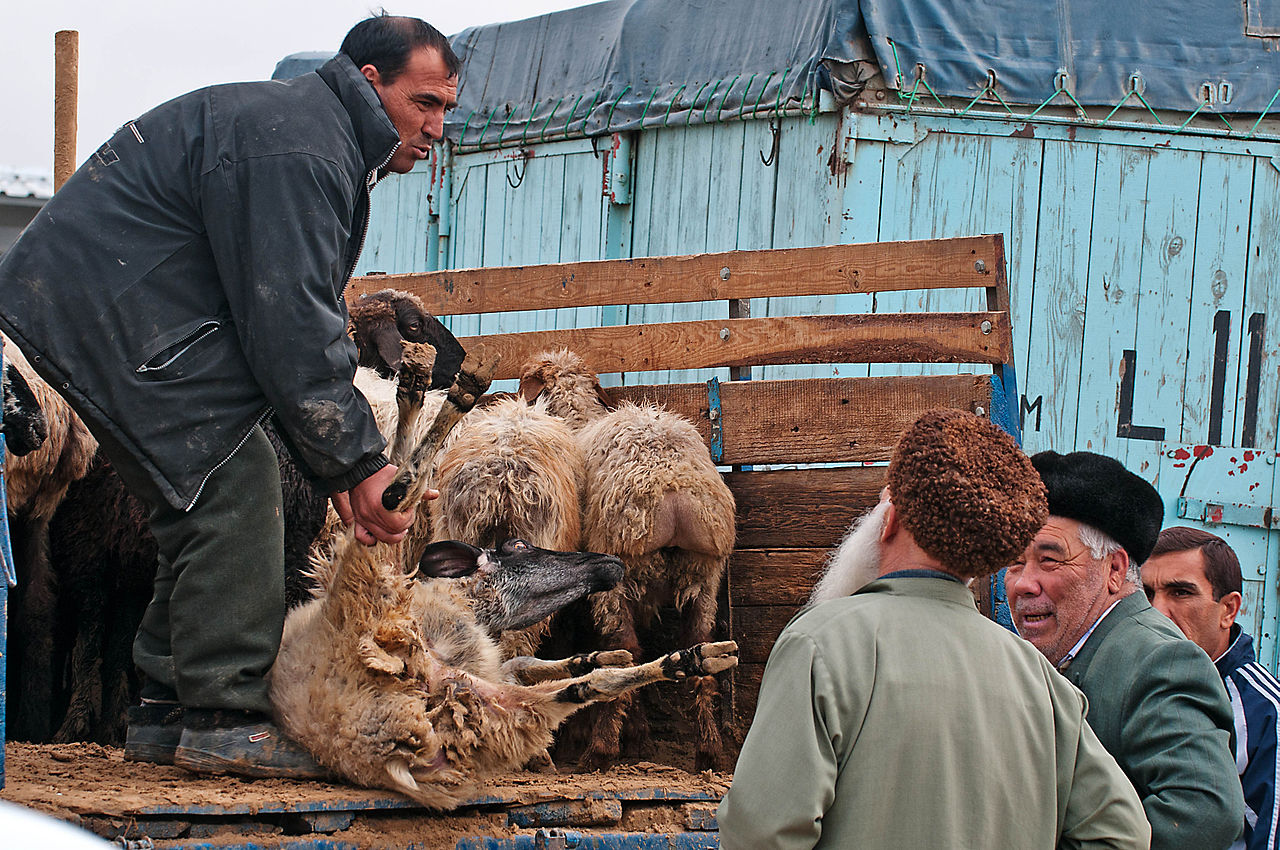
The Turkmen are a Turkic ethnic group historically linked to the Oghuz branch of peoples. They form the majority population of Turkmenistan and are also found as minorities across Central Asia and parts of the Middle East, including communities in Turkey, Iraq, Syria, Jordan, Afghanistan, and Iran. The name appears in historical sources as both "Turkmen" and "Turkoman." In modern usage it usually denotes the ethnic group with its distinct language and cultural traditions, while "Turkoman" can have different local meanings.
Image gallery
10 Images





Language and identity
Turkmens speak the Turkmen language, part of the Turkic language family and closely related to Turkish and Azerbaijani. Dialects reflect tribal and regional variation (for example Teke, Yomut and Ersari among others). Language reform in the 20th century saw shifts between Arabic, Cyrillic and Latin scripts in different periods; since the late 20th century Turkmenistan has adopted a Latin-based orthography.
History and social structure
Turkmen identity grew from the nomadic Oghuz Turkic confederations that moved across the Eurasian steppe. Over centuries they interacted with Persian, Arab, Mongol and Russian empires, and many communities transitioned from seasonal nomadism to settled agriculture and urban life. Traditionally, society was organized around tribes and clans with strong kinship ties; these tribal affiliations have remained a visible element of social and cultural life.
Culture, arts and customs
Traditional crafts and expressive arts are prominent in Turkmen culture. Notable contributions include carpet weaving (Turkmen rugs are prized for tribal patterns), distinctive jewelry and textile arts, and horsemanship—especially the famed Akhal-Teke horse breed associated with the region. Social life features elaborate weddings, circumcision ceremonies (known in Turkish contexts as sünnet), music and oral poetic traditions. Many communities maintain pastoral folklore and seasonal festivals.
Religion and contemporary life
The majority of Turkmens are Muslims, predominantly following Sunni traditions, and local practices often incorporate Sufi-influenced customs. In the 20th century political changes—most notably incorporation into the Russian Empire and later the Soviet Union—reshaped economic life, settlement patterns and education. Since the emergence of independent Turkmenistan, there has been renewed emphasis on national culture, language and historical symbols.
Distribution, variants and notable distinctions
Beyond Turkmenistan, diasporic and minority populations identify as Turkmen in a number of states and regions. The historical label "Turkoman" has been applied in different ways: broadly to Oghuz-derived groups, or locally to communities that assimilated linguistic or cultural traits of neighboring populations. In some Balkan and Anatolian contexts the term has been used historically to refer to groups who adopted a Turkish identity or to particular Roma subgroups sometimes called Balkan Turkomans; usage depends on period and place.
Further reading and resources
- Ethnic and linguistic classification
- Regional overview of Central Asia
- Modern Turkmenistan
- Turkmens in Turkey
- Turkmen communities in Iraq
- Turkmen presence in Syria
- Turkmen links in Jordan
- Turkmens of Afghanistan
- Iranian Turkmens
- Turkmen language resources
- Turkic language family
- Cultural ceremonies and life-cycle rituals
Questions and answers
Q: Who are the Turkmen people?
A: The Turkmen people are one of the main Turkic ethnic groups in Central Asia, mainly in Turkmenistan, as well as ethnic minorities in Turkey, Iraq, Syria, Jordan, Afghanistan, and Iran.
Q: What language do the Turkmen people speak?
A: The Turkmen people speak the Turkmen language, which is part of the Turkic languages family.
Q: What are some of the major festivals celebrated by the Turkmen people?
A: Some of the major festivals celebrated by the Turkmen people include engagements, marriages, and circumcisions of boys, which are known as "Sünnet" parties.
Q: What is the term Turkoman used for?
A: The term Turkoman is used for people who take on a Turkish identity and have lost their own original background. An example of this is the Balkan Turkoman Gypsies, who are a subgroup of the Xoraxane Roma.
Q: Where else can ethnic Turkmen be found besides Turkmenistan?
A: Ethnic Turkmen can be found as minorities in Turkey, Iraq, Syria, Jordan, Afghanistan, and Iran.
Q: What is the Turkic languages family?
A: The Turkic languages family is a group of languages that includes Turkmen, Turkish, Uighur, and Kazakh, among others.
Q: What is a Sünnet party?
A: A Sünnet party is a celebration of a boy's circumcision in Turkmen culture.
Related articles
Author
AlegsaOnline.com Turkmen people Leandro Alegsa
URL: https://en.alegsaonline.com/art/102113
Sources
- cia.gov : "The World Factbook"
- cia.gov : "The World Factbook"
- unhcr.org : "UNHCR - The UN Refugee Agency"
- 2001.ukrcensus.gov.ua : "About number and composition population of Ukraine by data All-Ukrainian census of the population 2001"