
Pashtun people
Ethnic group native to Afghanistan and Pakistan, speaking Pashto and organized by tribal lines and the code Pashtunwali; influential in regional history, politics, and culture, with a large diaspora.
Overview
The Pashtuns (also spelled Pushtuns, Pakhtuns or Pukhtuns) are an Iranian-language ethnic group long associated with the region straddling modern Afghanistan and Pakistan. Historically many sources refer to them as Afghans, a name that has at times been used both for the ethnic group and for citizens of Afghanistan. Their principal native tongue is Pashto, though numerous Pashtuns are bilingual or multilingual and commonly speak neighboring tongues such as Dari, Hindko, and Urdu. Estimates of total population vary; researchers generally place it on the order of tens of millions, with a frequently cited figure near 50 million.
Image gallery
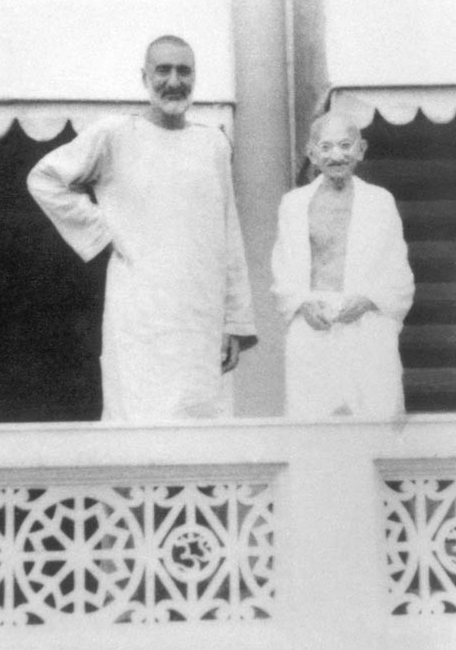
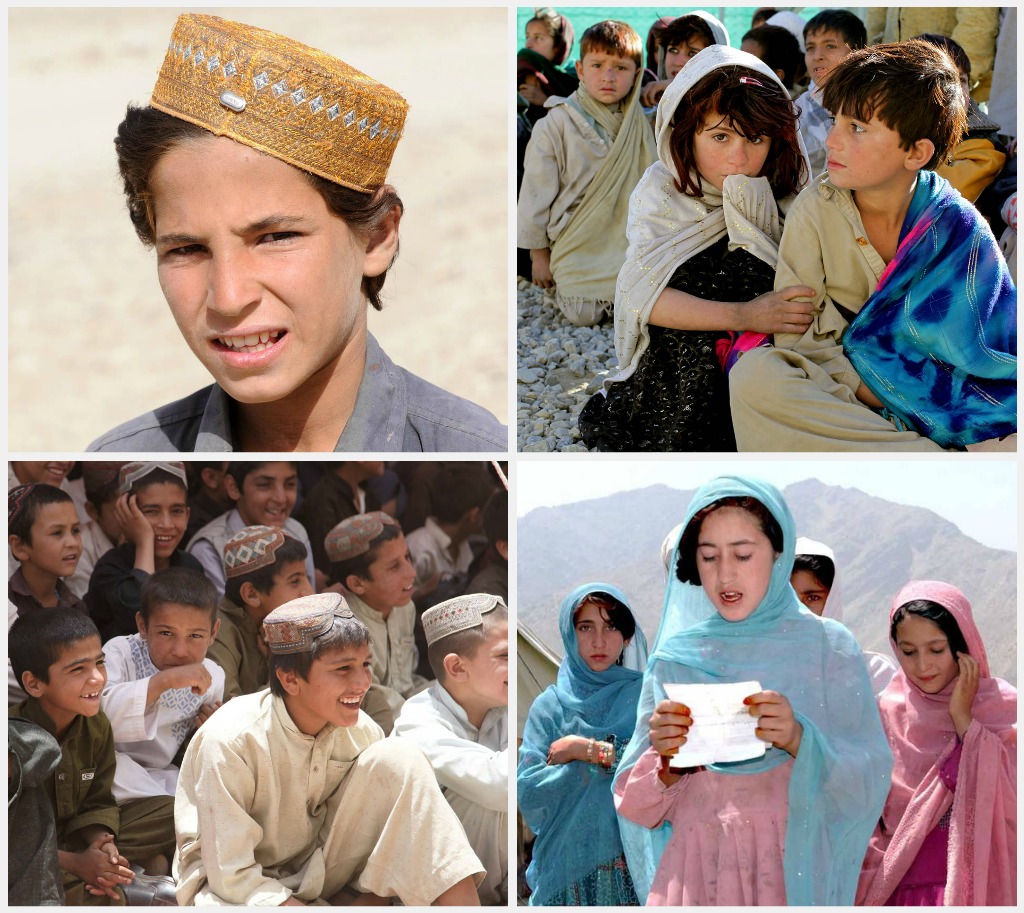
10 Images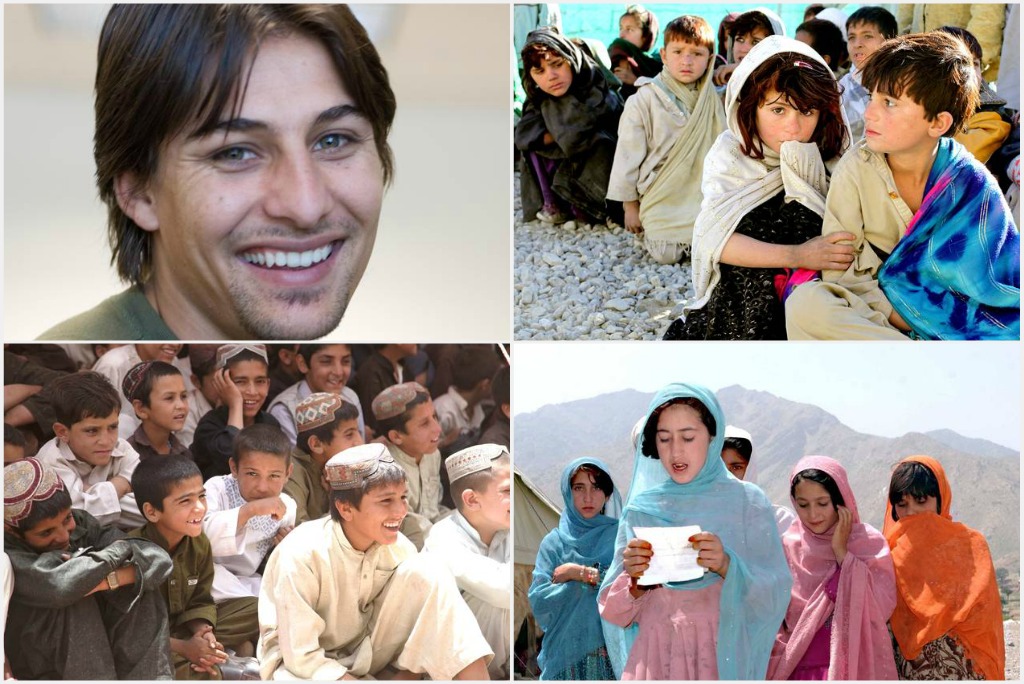


Geography and distribution
Pashtun traditional territory extends south of the Hindu Kush mountains in central and eastern Afghanistan and west of the Indus River in what is now northern and western Pakistan. They form the largest ethnic group in Afghanistan and are a major, often the second-largest, group in Pakistan. Over the last two centuries, Pashtuns have also migrated to large urban centers and abroad, creating sizable diasporas in the Gulf, Europe, North America and elsewhere.
Social organization and culture
Pashtun society is commonly organized around tribal and clan structures with lineage and local leadership central to social life. Many Pashtuns observe Pashtunwali, an informal customary code emphasizing hospitality, honor, personal independence, and revenge in certain circumstances. Cultural markers include distinctive forms of dress, folk music and oral poetry in Pashto, and local customs tied to land, kinship and seasonal agriculture or pastoralism. The majority of Pashtuns are Sunni Muslims, and religious identity often intertwines with tribal customs.
History and historical role
Elements of Pashtun identity appear in historical records for many centuries. Various Pashtun dynasties and confederations have played important roles in the politics of South and Central Asia, and Pashtun leaders and communities have been influential in the formation of modern Afghanistan and in regional affairs. Over time, processes of state-building, colonial intervention, and modern migration have reshaped traditional patterns of authority and settlement.
Contemporary significance and distinctions
Today Pashtuns are politically, culturally, and economically prominent in both Afghanistan and Pakistan. Their influence ranges from local governance in rural districts to national politics and state institutions. It is important to distinguish between ethnic and national identities: being Pashtun is an ethnic affiliation, while terms like "Afghan" can denote nationality that includes many other groups. Internal diversity among Pashtuns—tribal, linguistic, religious practice and regional variation—means there is no single Pashtun experience.
Quick facts and further reading
- Alternate names and spellings: Pushtun, Pakhtun, Pukhtun, historically "Afghan" in some sources.
- Main language: Pashto; commonly also Dari, Hindko, Urdu.
- Core homeland: south of the Hindu Kush and west of the Indus.
- Ethno-linguistic classification: part of the broader Iranian-language family (Iranian branch).
- Principal states with large Pashtun populations: Afghanistan and Pakistan.
For general introductions and language resources see: terms and names, regional surveys and overviews at referenced academic or governmental sources linked above.
Questions and answers
Q: Who are Pashtuns?
A: Pashtuns are an Iranian ethnic group and the largest ethnic group in Afghanistan and the second largest in Pakistan.
Q: How is the name “Pashtuns” spelled and pronounced?
A: The name “Pashtuns” is sometimes spelled Pushtuns, Pakhtuns, or Pukhtuns. It is pronounced as “pash-tons” or “pukh-tuns”.
Q: Which languages do Pashtuns speak?
A: Pashtuns speak their native language Pashto, but many of them also speak neighboring Dari, Hindko and Urdu languages.
Q: What is the geographical region of the Pashtuns?
A: The Pashtuns are the original or native people of the area south of the Hindu Kush in Afghanistan and west of the Indus River in Pakistan.
Q: Have Pashtuns migrated to cities outside their native land?
A: Yes, in the modern period, Pashtuns have spread to cities outside their native land.
Q: What is the estimated total population of the Pashtuns?
A: According to researchers, the total population of the Pashtuns is estimated to be around 50 million.
Q: What is the historical name of Pashtuns?
A: Pashtuns were historically known as Afghans.
Related articles
Author
AlegsaOnline.com Pashtun people Leandro Alegsa
URL: https://en.alegsaonline.com/art/74905
Sources
- ethnologue.com : "Pashto, Northern"
- books.google.com : E.J. Brill's first encyclopaedia of Islam, 1913–1936
- travel.nationalgeographic.com : travel.nationalgeographic.com/travel/countries/afghanistan-quiz/
- umsl.edu : "The World Factbok – Afghanistan"
- news.bbc.co.uk : "Ethnic groups"
- cia.gov : "Afghan Population: 30,419,928 [Pashtun 42%]"
- books.google.com : The Challenge of Democracy: Government in America
- old.tehrantimes.com : "Afghanistan's complex ethnic patchwork"
- faqs.org : "Pathans"
- afghanistans.com : "About Afghanistan - Ethnic Divisions"
- books.google.com : Aiding Afghanistan: the background and prospects for reconstruction in a fragmented society
- books.google.com : Congressional Record
- books.google.com : Asian Security to the Year 2000
- books.google.com : Concise encyclopedia of languages of the world
- books.google.com : 11 September 2001: feminist perspectives