
DC Comics — American comic-book publisher and multimedia franchise
Overview of DC Comics: its characters, fictional universe, history, imprints, media adaptations, and role in the comics industry.
Overview
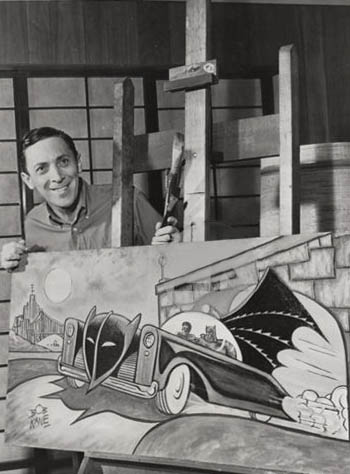
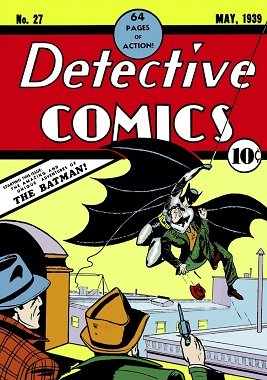
DC Comics is a major American publisher best known for mass-market comic book entertainment produced by a large company with global reach. As the principal publishing arm within its corporate group, DC has long been associated with popular superhero storytelling and with influential visual styles in graphic art. Its pages introduced enduring characters such as Superman (1938), Batman (1939) and Wonder Woman (1941), and those creations remain central to the company's identity. The publisher operates both mainstream continuity titles and alternative imprints for mature or experimental works.
Image gallery
10 Images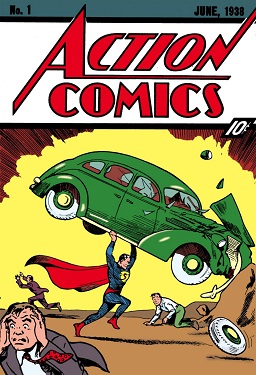






Characters, teams and villains
Much of DC’s output is set in a shared narrative environment commonly called the DC Universe, populated by iconic heroes and villains. Core heroes include The Flash, Aquaman, and Green Lantern, while teams make up a large part of the publisher’s slate.
- Justice League — flagship ensemble of major heroes
- Justice Society of America — early superhero team
- Suicide Squad — government-sanctioned antihero team
- Teen Titans — young heroes and sidekicks
DC’s rogues’ gallery is similarly well known: arch-nemeses and cosmic threats such as Lex Luthor, the Joker, the Cheetah, Reverse-Flash, Black Manta, Sinestro and Darkseid have become fixtures of popular culture across media.
History and imprints
DC traces its commercial origins to the 1930s and the early superhero boom. Its early anthologies — titles that would evolve into household names — helped establish the modern comic-book industry. Over decades the publisher launched specialized imprints to reach different audiences: one notable example was Vertigo, an imprint that published critically acclaimed, often adult-oriented work such as Watchmen, V for Vendetta and Fables. These projects broadened the perception of comics as a medium for literary, political and experimental storytelling.
DC’s long continuity has been reshaped several times by company-wide events and relaunches intended to simplify or refresh ongoing series. Major editorial initiatives have sought to balance legacy characters with new creative directions and to attract new readers while retaining long-term fans.
Media adaptations and cultural impact
Beyond printed comics, DC properties have been adapted into animated series, live-action television, blockbuster films, video games and licensed merchandise. These adaptations expanded audience awareness of the characters and reinforced DC’s presence in global entertainment. The company’s characters and storylines are frequently cited in discussions of 20th- and 21st-century popular culture and graphic storytelling, and they have been subject to academic and critical analysis.
Publishing, distribution and industry position
DC’s books are sold through multiple channels, including bookstores, online retailers and specialty comic shops. In the bookstore market many of its trade paperbacks and graphic novels are distributed via large book distributors, while the direct market for periodical comics has seen changing arrangements: in recent years shifts in distribution were prompted by market forces and disruptions such as COVID-19, with several distributors stepping in to serve comic shops. The publisher operates within a competitive landscape alongside rivals such as Marvel Comics, creators of characters like Hulk and Spider-Man; both firms dominate much of the mainstream superhero market.
DC has been part of larger media conglomerates and corporate reorganizations; its parent entities and affiliations have evolved over time, and headquarters and administrative centers have shifted between locations such as Midtown Manhattan and Burbank, California. In publishing rankings that include graphic novels and trade sales, the position of DC relative to other companies such as Viz Media and large entertainment firms (for example, companies like The Walt Disney Company) reflects a complex market where catalog depth, media tie-ins and distribution partnerships play central roles.
For more detailed histories, lists of characters and a catalogue of major storylines, consult publisher bibliographies and curated archives, or follow official updates from the company and its associated editorial channels via modern distributor and press releases such as those available from industry partners and trade publications.
publisher comic book company Warner Bros. Discovery superhero graphic art Superman Batman Wonder Woman Flash Aquaman Green Lantern Justice League Suicide Squad Teen Titans Lex Luthor Joker Cheetah Reverse-Flash Black Manta Sinestro Darkseid Watchmen V for Vendetta Fables Vertigo Midtown Manhattan Burbank, California COVID-19 Marvel Comics Hulk Spider-Man The Walt Disney Company Viz Media
Related articles
Author
AlegsaOnline.com DC Comics — American comic-book publisher and multimedia franchise Leandro Alegsa
URL: https://en.alegsaonline.com/art/25914
Sources
- nyse.com : TWX
- timewarner.com : timewarner.com