
Teen Titans — DC Comics' teenage superhero team and its legacy
Overview of the Teen Titans: origins, core members, evolution into the Titans, key themes, and major media adaptations from comics to animation and live action.
The Teen Titans are a group of teenage superheroes who appear in American comic books published by DC Comics. Formed as a team of younger heroes who often began as sidekicks, the group has served as a vehicle for coming-of-age stories, team drama and long-running character development. Members frequently have links to established Justice League heroes, and the team has evolved across decades of comics and other media.
Image gallery
10 Images


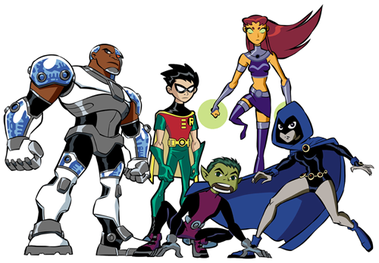


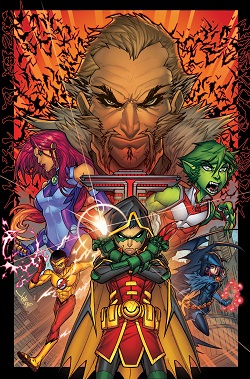


Origins and development
The concept of the Teen Titans first appeared in the 1960s as sidekicks such as Robin teamed up to face threats beyond what they could handle alone. Over time the book relaunched in new creative eras; a major reinvention in the 1980s introduced a modern roster and serialized storytelling that raised the team's profile. The original teenage line-up later matured and, when members aged out of adolescence, became known simply as the Titans.
Typical membership and characters
Membership is fluid; the team has included many characters drawn from the wider DC Universe. Early notable members included Robin (Dick Grayson) and other sidekicks. A later and widely recognized roster features characters who remain strongly associated with the group:
- Robin (Dick Grayson) — founder and longtime leader
- Beast Boy — shapeshifter with a playful persona
- Starfire — an alien with flight and energy powers
- Raven — empathic and mystical, often brooding
- Other historic members: Kid Flash, Aqualad and Cyborg, who helped broaden tone and abilities
Themes, tone and storytelling
Stories about the Teen Titans combine superhero action with adolescent concerns: identity, belonging, friendship and conflict with authority. Writers have used the team to explore interpersonal dynamics, romantic subplots and psychological struggles more directly than many adult superhero titles. Recurring plot elements include team formation, betrayal, mentorship from adult heroes, and transitions from youth to adulthood.
Media adaptations and cultural impact
The team has appeared beyond comics in influential animated series and live-action adaptations. An early animated show raised the group's popularity, and a later comedic spin-off reimagined the characters for younger audiences. A live-action series presented a grittier take aimed at adults. These adaptations have introduced the characters to new generations and influenced how the Teen Titans are perceived in popular culture.
Notable distinctions and legacy
Unlike many superhero teams, the Teen Titans center on adolescence and the transition to adult roles; when members grow older they may graduate to other teams or form the Titans. The concept has proved durable because it combines familiar superhero archetypes with relatable personal drama. For further reading on specific characters, creators and series runs see entries on sidekicks, the Justice League, and the original founder Robin (Dick Grayson).
Related articles
Author
AlegsaOnline.com Teen Titans — DC Comics' teenage superhero team and its legacy Leandro Alegsa
URL: https://en.alegsaonline.com/art/96736
Sources
- classic.tcj.com : "Bob Haney Interviewed by Michael Catron Part Four (of Five)"