
History of Graphic Design
Survey of graphic design from ancient marks and scripts through print, modernist movements, industrialization and the digital era, highlighting techniques, movements, applications and future directions.
Graphic design is the practice of arranging visual elements—type, image, color and space—to inform, persuade and create meaning. The term has linguistic roots (see the Greek root) and applies to work on walls, canvas, screens and printed surfaces. Designers organise a visual vocabulary that includes signs, charts, logos, graphs, drawings and symbols to make information legible, memorable and effective.
Image gallery
10 Images


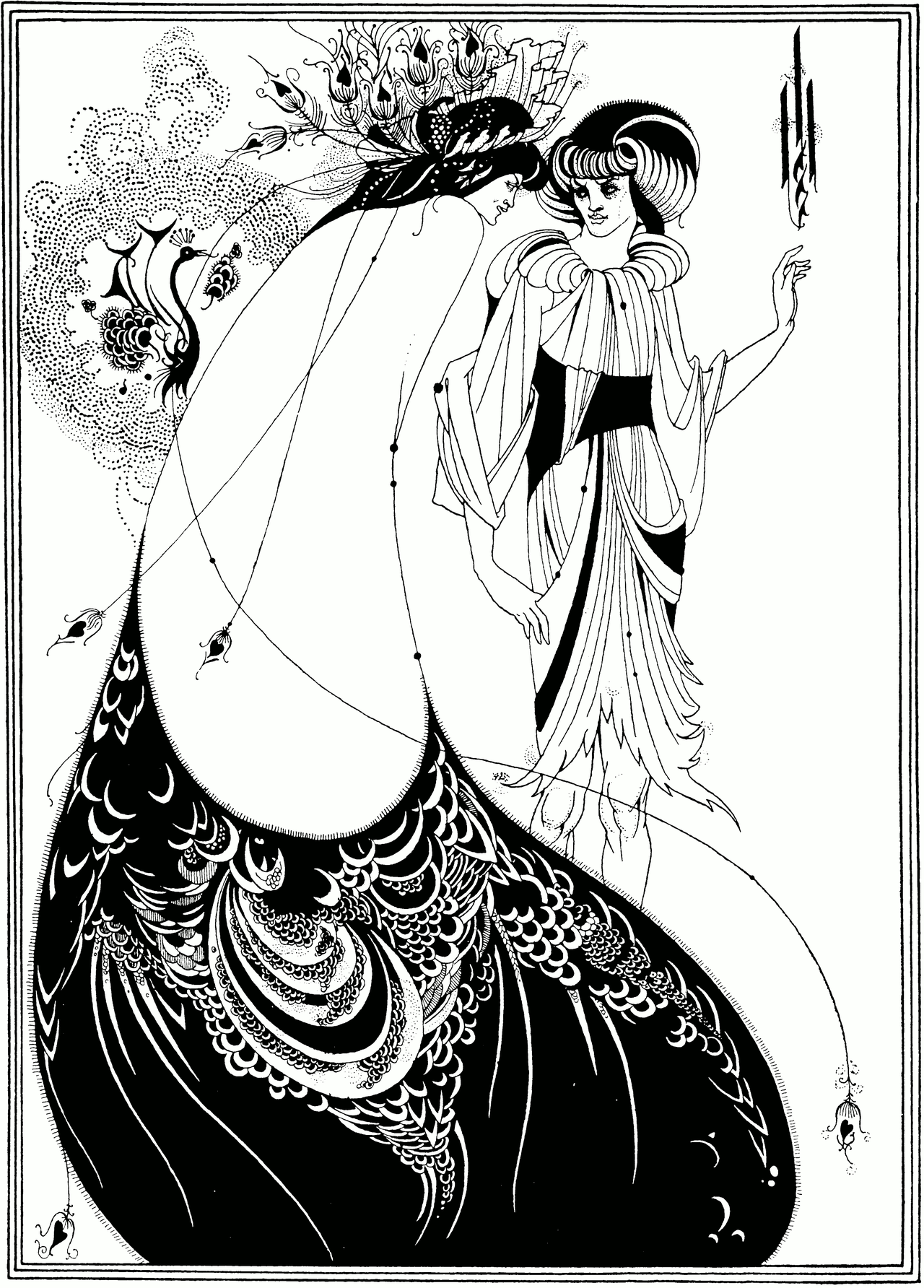
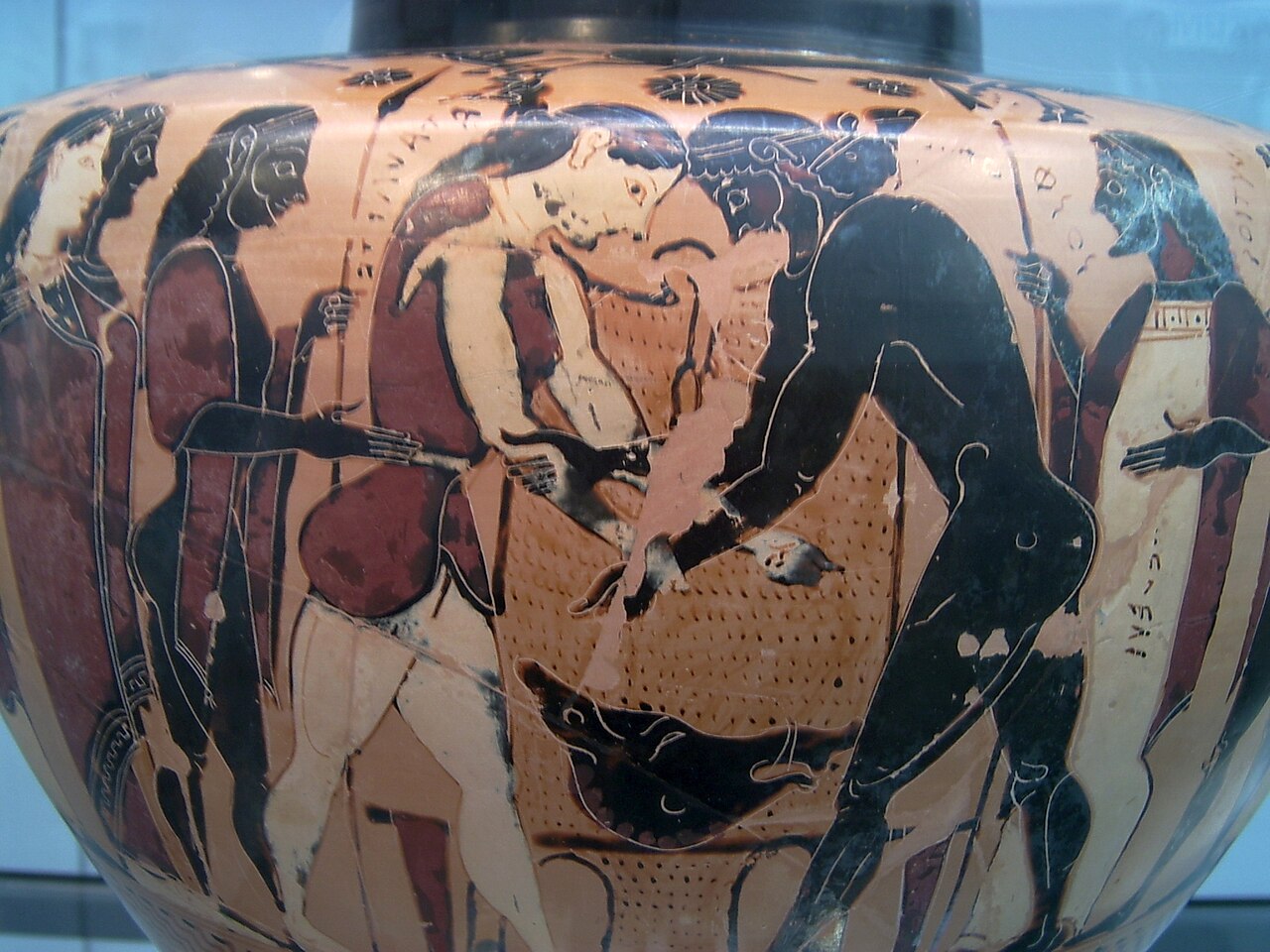
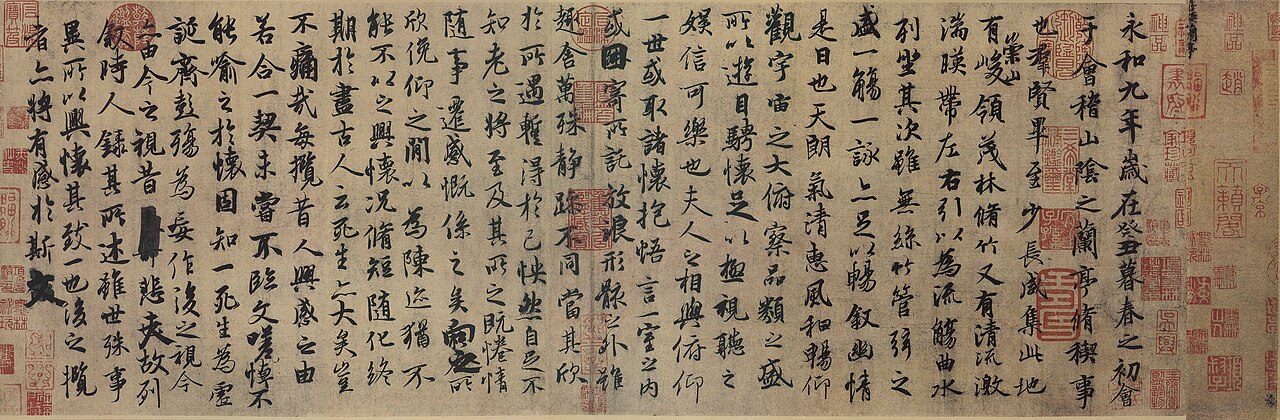


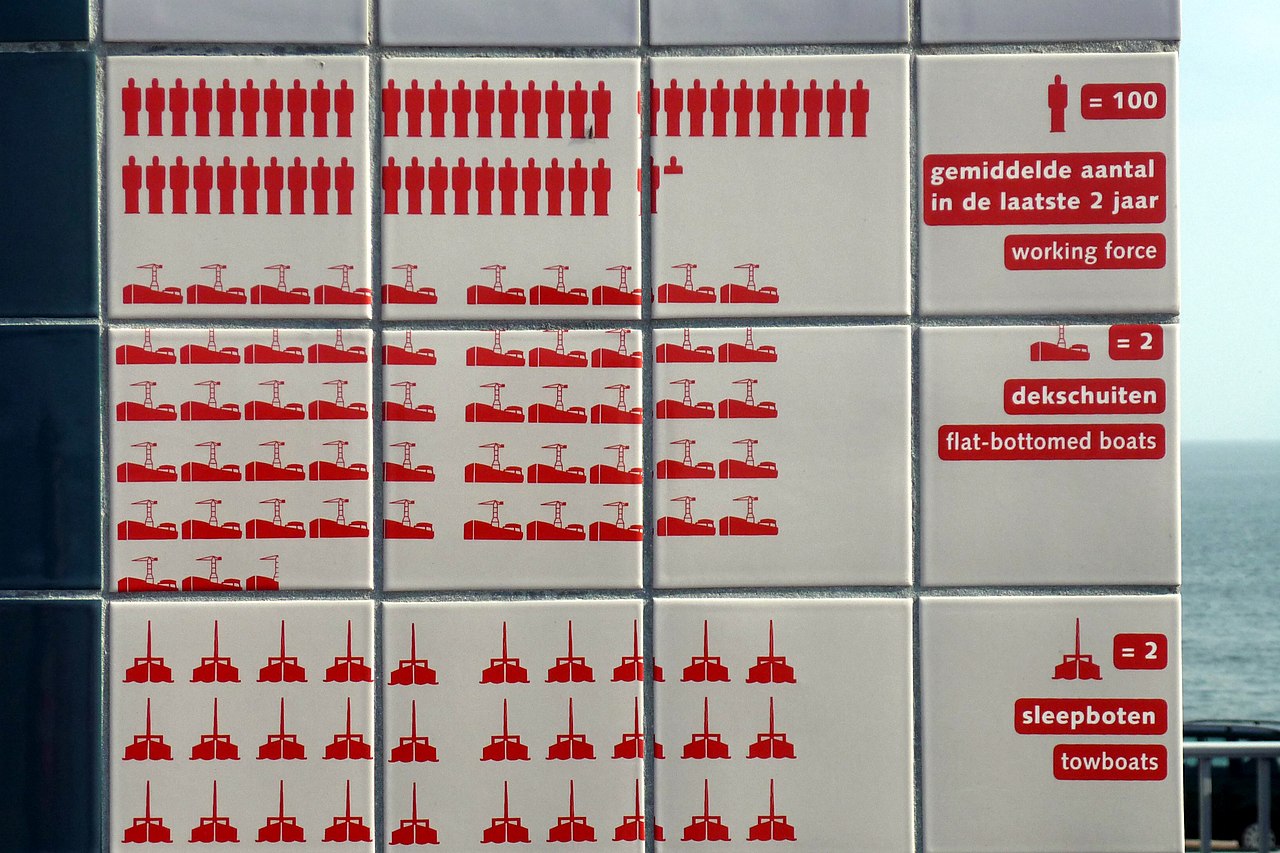
Core characteristics
At its core graphic design balances aesthetics and communication. Key concerns are typography (the choice and arrangement of letterforms), composition, color theory, hierarchy and grid systems. Practical aims include legibility, clear emphasis, efficient information flow and consistent identity. The discipline often overlaps with graphic design professions such as branding, where designers build coherent visual systems to represent organisations and products across media, from print to digital branding.
Development and milestones
The history of graphic design is long and cumulative. Early marks, pictograms and carved symbols showed how images could instruct and record. With the rise of writing and illuminated manuscripts, composition and ornament became more sophisticated. The invention of movable type and the printing press made reproducible typography central to communication, transforming books, posters and pamphlets. The industrial era brought lithography, mass advertising and packaging, creating demand for new typographic approaches and visual strategies.
In the 20th century modernist movements such as the Bauhaus and the International Typographic or Swiss Style emphasised clarity, functional typography and strong use of grids. These ideas shaped corporate identities, signage and editorial design. Later 20th-century developments saw postmodern designers question rigid rules and introduce more expressive, eclectic approaches that mixed historical references and visual irony. Throughout, practitioners blended art, psychology and commerce to influence public perception.
Technologies and practice
Technological change repeatedly reshaped the field. Advances in printing, phototypesetting and offset processes broadened possibilities for mass reproduction. The personal computer and desktop publishing revolutionised layout and type control; more recently, vector illustration, responsive layout and motion tools extended design into digital interfaces and animation. Education and professional practice now require fluency in visual theory, software tools and collaborative workflows.
Applications and contemporary concerns
- Identity systems and logos that encapsulate organisational values.
- Advertising, packaging and retail graphics that influence consumer behaviour.
- Editorial design for newspapers, magazines and books that organises long-form content.
- Information design, wayfinding and data visualisation that make complex information accessible.
- Digital interfaces, motion graphics and environmental graphics for contemporary media.
Contemporary designers also address accessibility, sustainability and ethics: creating work that is inclusive, environmentally conscious and honest in its persuasion. Research in colour perception, semiotics and user experience informs practical choices, while professional codes and interdisciplinary collaboration guide how design serves public and commercial needs.
Legacy and future
Graphic design remains both a practical craft and a cultural force. Its history shows repeated cycles of rule-making and rule-breaking, as new technologies and social needs produce fresh methods. As visual communication migrates across devices and platforms, designers continue to adapt established principles of hierarchy, contrast and clarity while exploring interactive, generative and data-driven approaches that will shape how information is seen and understood in the future.
Questions and answers
Q: What are graphics?
A: Graphics are visual presentations on some surface, such as a wall, canvas, computer screen, paper, or stone.
Q: What does graphic design include?
A: Graphic design includes everything that relates to the creation of signs, charts, logos, graphs, drawings, symbols, geometric designs, and so on.
Q: What is the definition of graphic design?
A: Graphic design is the art or profession of combining text and pictures in art, advertisements, publications, or websites.
Q: What is the aim of graphics?
A: The aim of graphics is to brand, inform, and have a specific effect on its audience.
Q: What is the origin of the word "graphics"?
A: "Graphics" comes from the Greek word "γραφικός".
Q: What is the main purpose of graphic design?
A: The main purpose of graphic design is to communicate a message or idea through a combination of visuals and text.
Q: What are some examples of graphics?
A: Examples of graphics include logos, charts, posters, flyers, illustrations, and infographics.
Related articles
Author
AlegsaOnline.com History of Graphic Design Leandro Alegsa
URL: https://en.alegsaonline.com/art/44467
Sources
- guity-novin.blogspot.com : A history of graphic design
- askoxford.com : askoxford.com/concise_oed/graphicdesign?view=uk
- merriam-webster.com : Graphic design - Definition and More from the Free Merriam-Webster Dictionary
- dictionary.reference.com : Graphic_design | Define Graphic_design at Dictionary.com
- whc.unesco.org : "Rock Shelters of Bhimbetka"
- britannica.com : Kakadu National Park (national park, Northern Territory, Australia) -- Britannica Online Encyclopedia
- larousse.fr : /11/calligraphie · webcitation.org
- encarta.msn.com : encarta.msn.com/encyclopedia_761563639/William_Morris.html
- encarta.msn.com : Encarta · webcitation.org
- dinesh.com : Google Logo Design and History