
DeLorean Motor Company: history, design, and cultural legacy
Overview of the DeLorean Motor Company, its single production car the DMC‑12, the company's rise and collapse, distinctive design features, and its continuing cultural and collector significance.
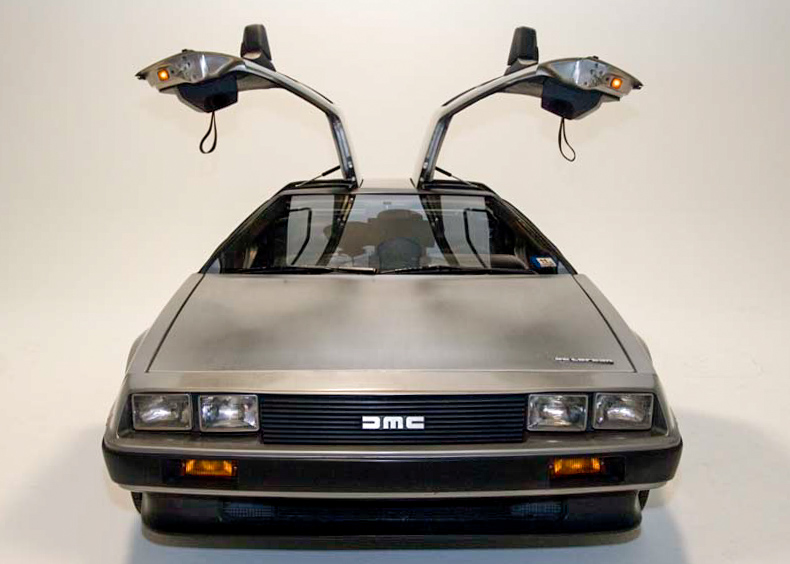
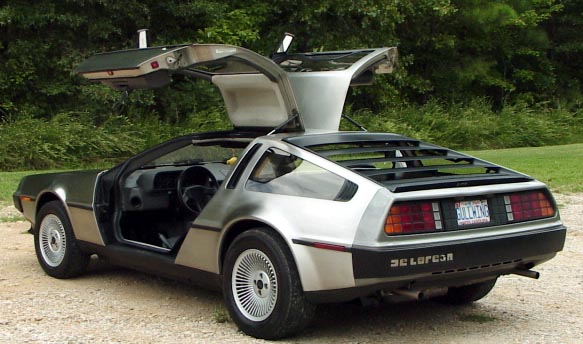
The DeLorean Motor Company was founded in 1975 by John DeLorean as an attempt to produce a small-volume sports car with striking styling. The enterprise is best known for one model, the DMC‑12, built with brushed stainless-steel body panels and upward-opening gull-wing doors. Although production was short-lived and the company suffered financial collapse, the DMC‑12 has endured as an automotive icon, in part because of its prominent role in popular media.
Image gallery
5 Images


Design and technical characteristics
The DMC‑12 combined unusual exterior features with relatively modest mechanical specification. Its most visible traits were the unpainted stainless-steel body and the gull-wing doors, both contributing to the car's long-term visibility and collector appeal. The styling was produced by Italdesign, giving the car a low, geometric appearance typical of late 1970s and early 1980s sports cars.
- Bodywork: unpainted stainless-steel panels that resisted corrosion and required no factory paint finish.
- Doors: vertically hinged gull-wing doors with reinforced roof structure to maintain occupant safety and rigidity.
- Engine and layout: a rear-mounted V‑6 supplied through a collaboration of European manufacturers; performance was widely regarded as modest for the car's price at launch.
- Construction: a distinctive mix of chassis and body engineering intended for low-volume production.

History and production
John DeLorean established the company with the aim of creating a distinctive sports car brand. Manufacturing for the DMC‑12 was centered in the Dunmurry area near Belfast in Northern Ireland, a project that received local economic support because of the jobs and investment it promised. Public production began around 1981; initial factory output reached several thousand cars that year. Total production ran only for a few years before financial difficulties forced the company to cease car manufacture in the early 1980s.
Collapse, legal issues and aftermath
Financial problems and weak sales relative to expectations led the company into insolvency. In 1982 John DeLorean was arrested on charges connected to an alleged drug-trafficking scheme—a dramatic episode that drew major media attention. The subsequent legal proceedings ended without a criminal conviction, but the negative publicity and the underlying financial shortfall effectively ended the original company's prospects.
Legacy and cultural impact
The DMC‑12 achieved far greater fame after its selection as the time‑traveling vehicle in the science fiction film franchise Back to the Future (often referenced directly as Back to the Future). That association transformed the car into a pop-culture symbol and introduced the design to audiences who had never encountered the marque during its brief commercial life.
Although the original company went bankrupt, several thousand DMC‑12s survive today. A US-based firm later acquired rights to the DeLorean name and supplies parts, maintenance, and restoration services; it also facilitates a market for restored and rebuilt cars. Enthusiast clubs and specialist garages keep the model on the road, and DMC‑12s are frequently featured at auto shows and in media that celebrate late 20th‑century design.
Notable distinctions
Today the DeLorean Motor Company is remembered less for its commercial success and more for its distinctive engineering choices and cultural resonance. The combination of stainless-steel body panels, gull-wing doors, and a short production run produced a collectible automobile whose profile remains high among enthusiasts and the general public alike.
For further reading about the founder and the car's cultural role, see materials linked to the company history and the film references maintained by collectors and museums. Additional resources and parts suppliers can help owners keep surviving DMC‑12s operational.
Founder profile | Science fiction contexts | Franchise connection | Film impact | Factory location | Regional history
Related articles
Author
AlegsaOnline.com DeLorean Motor Company: history, design, and cultural legacy Leandro Alegsa
URL: https://en.alegsaonline.com/art/25931
Sources
- news.bbc.co.uk : DeLorean goes back to the future