
V for Vendetta: Alan Moore's dystopian graphic novel and its influence
A concise overview of V for Vendetta: its story, characters, publication history, themes, film adaptation, and cultural impact, including the Guy Fawkes mask and political readings.
Overview
V for Vendetta is a seminal graphic narrative created in the 1980s by writer Alan Moore and drawn largely by David Lloyd. Originally serialized in British outlets, the story was later published through DC Comics and the Vertigo imprint. It imagines a future Britain that has slid into authoritarian rule and follows a masked freedom fighter known only as "V".
Image gallery
4 Images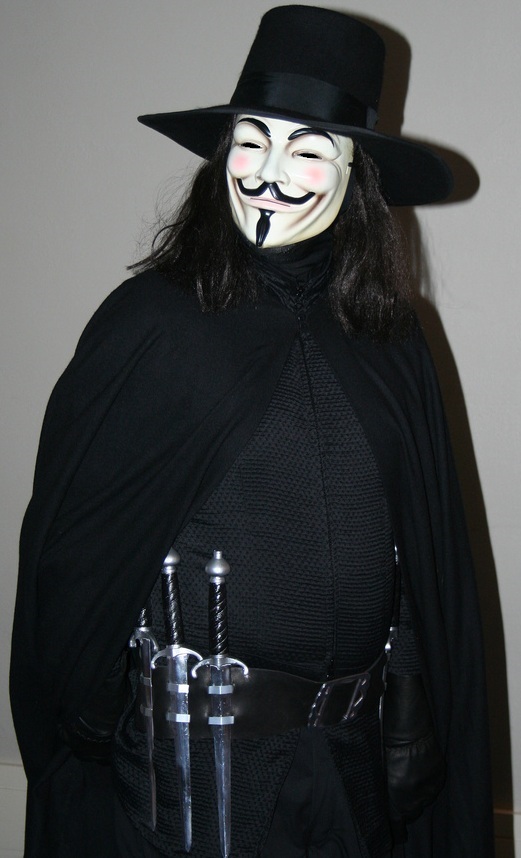


Plot, characters, and setting
The plot centers on the enigmatic title character—introduced as the work's protagonist—who identifies as an anarchist intent on dismantling a repressive state through symbolic acts and targeted violence. The action takes place in a dystopian version of the United Kingdom, imagined from late-1980s concerns about politics and civil liberties and originally projected toward the near future of the 1990s. V's campaign aims to inspire a popular revolution against a totalitarian government; he is joined by civilians whose lives he transforms, most notably Evey Hammond.
Themes and symbolism
The work examines state power, individual liberty, and the ethics of resistance. Its central iconography — the stylized Guy Fawkes mask worn by V — operates as a symbol of anonymity, dissent and theatricality. The narrative deliberately blurs the line between heroism and extremism, inviting debates about whether violent resistance is justified under oppressive regimes. Moore's script emphasizes ideas, rhetoric and theatrical presentation as tools of political influence.
Publication history and adaptation
The story first appeared in serial form in the early-to-mid 1980s and was later collected and reissued by larger publishing houses. Sources often note publication milestones across the 1980s, including early serialization around 1982 and subsequent edition(s) into the late 1980s. A major film adaptation was released in 2005, retelling the narrative with differences in plot, tone and temporal setting — the movie places events in the year 2020 and alters character arcs while keeping core themes intact. The adaptation introduced the story to a wider international audience but also generated discussion about creative control and authorial intent.
Uses, influence, and notable facts
Beyond its literary status, the work has had visible cultural effects: the mask has become a global emblem in protests and online activism, and the story is frequently cited in discussions of civil liberties, surveillance and political symbolism. Moore himself has expressed reservations about some adaptations and commercial uses, a point often raised in conversations about authorship in comics. The piece remains a common reference in political commentary and popular culture.
Further reading and links
- Original comic series
- DC Comics publisher
- Vertigo imprint
- Alan Moore (writer)
- Dystopian fiction
- United Kingdom setting
- 1980s context
- 1990s projection
- Totalitarian themes
- Protagonist overview
- Anarchist ideas
- Revolution as motif
- Early 1980s origins
- Late 1980s editions
- 2005 film
- Film adaptation page
- Film's 2020 setting
Related articles
Author
AlegsaOnline.com V for Vendetta: Alan Moore's dystopian graphic novel and its influence Leandro Alegsa
URL: https://en.alegsaonline.com/art/103804
Sources
- dccomics.com : V for Vendetta official site
- comics.ign.com : V for Vendetta: Comic vs. Film
- enjolrasworld.com : An Annotation of Literary, Historic and Artistic References in Alan Moore's Graphic Novel, V For Vendetta