
The Flash (DC Comics): origins, powers, and major incarnations
Overview of The Flash—DC Comics' speedster heroes, their abilities, history, notable versions, and cultural impact, including key storylines and defining traits.
Overview
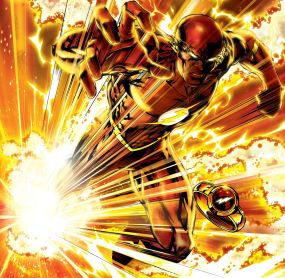
The Flash is the common name used by several superhero characters in the DC Comics universe known for extraordinary speed and quick reflexes. Often called the "Scarlet Speedster," each incarnation can move, think and react at velocities far beyond normal human capability. Flash stories frequently center on Central City and explore consequences of speed-based powers, from rescuing citizens to altering time.
Image gallery
10 Images





Core characteristics and abilities
All versions of the Flash draw on a fictional energy source—commonly referred to as the Speed Force—that enables remarkable feats. Typical powers include running at superhuman velocities, accelerated healing, enhanced metabolism, rapid perception, and feats such as vibrating through solid objects (phasing), creating cyclones, and performing near-instantaneous travel over long distances. Stories often portray limits and costs to these abilities, such as physical strain or unintended changes to history when time travel is attempted.
Principal incarnations
Several characters have taken the Flash mantle across DC's publishing history. The Golden Age Flash, Jay Garrick, debuted in 1940 and established the archetype. The Silver Age reimagining, Barry Allen (1956), reintroduced the character to modern comics and became closely associated with forensic science. Wally West, originally introduced as the youthful Kid Flash, later assumed the Flash identity and has been central to many modern era tales. Bart Allen, a later speedster, has been featured as Impulse and Kid Flash in younger-team stories. These heroes frequently appear in team contexts such as the Justice Society, the Justice League and the Teen Titans, reflecting their role in ensemble storytelling.
History and notable storylines
The Flash has been pivotal to DC's larger narrative experiments. A landmark 1961 story reunited the Golden and Silver Age Flashes and helped establish the Multiverse concept. In later decades the character figured prominently in reality-altering crossover events, including sacrifices, timeline rewrites and reinventions that reshaped the publisher's continuity. Iconic arcs address ethical and scientific questions about time travel, identity, and responsibility.
Villains, themes and cultural importance
The Flash's rogues gallery emphasizes speed-themed conflicts and personal rivalry. Recurring antagonists include mirror images and scientists who exploit or oppose speed powers. Beyond supervillain encounters, stories frequently examine consequences of altering causality and the emotional costs of protecting loved ones while confronting destiny. The Flash has also been adapted into other media—animation, television and film—broadening cultural recognition.
Where to read and learn more
- Classic and modern comics featuring The Flash are collected in anthologies and trade paperbacks; search catalogs for Golden Age, Silver Age, and contemporary runs.
- For introductions, consult summaries of the character in comic book reference works and the publisher's historical overviews at sites and databases indexed under DC Comics.
- Explainers on speed-related concepts and fictional physics can be found under topics labeled speed and physics in popular-science resources.
- Major team appearances and membership details appear in listings for the Justice League, Teen Titans and the Justice Society.
- Historical discussions of continuity and the Multiverse are often cross-referenced in essays and guides using the term Multiverse.
The Flash remains one of DC's most enduring and versatile characters: adaptable across eras, useful for science-fiction plots about time and reality, and popular in team and solo narratives. Readers new to the character can begin with origin stories for Jay Garrick or Barry Allen and then explore later interpretations to see how writers have used speed as both a superpower and a storytelling device.
Related articles
Author
AlegsaOnline.com The Flash (DC Comics): origins, powers, and major incarnations Leandro Alegsa
URL: https://en.alegsaonline.com/art/97992