
Austin, Texas
Capital of Texas known for live music, a large public university, technology and government institutions, and annual cultural festivals. A regional center of education, business, and creative industries.
Austin is the state capital city located in the central part of the U.S. state of Texas. It serves as the county seat of Travis County and has been one of the fastest-growing large cities in the United States. By the mid-2010s the city's population exceeded 900,000, making it one of the largest American cities and often listed among the eleventh-largest or top-tier urban centers depending on the measure used.
Image gallery
10 Images
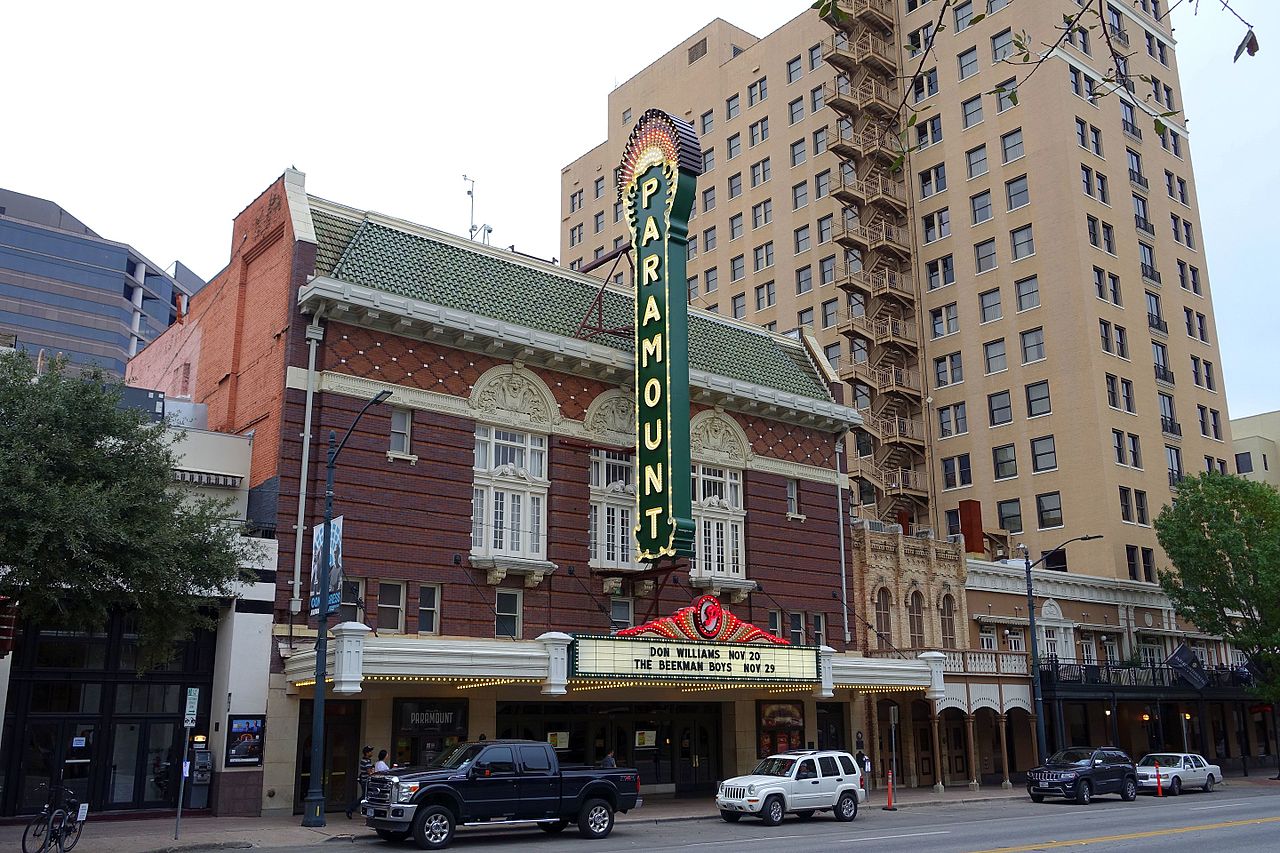

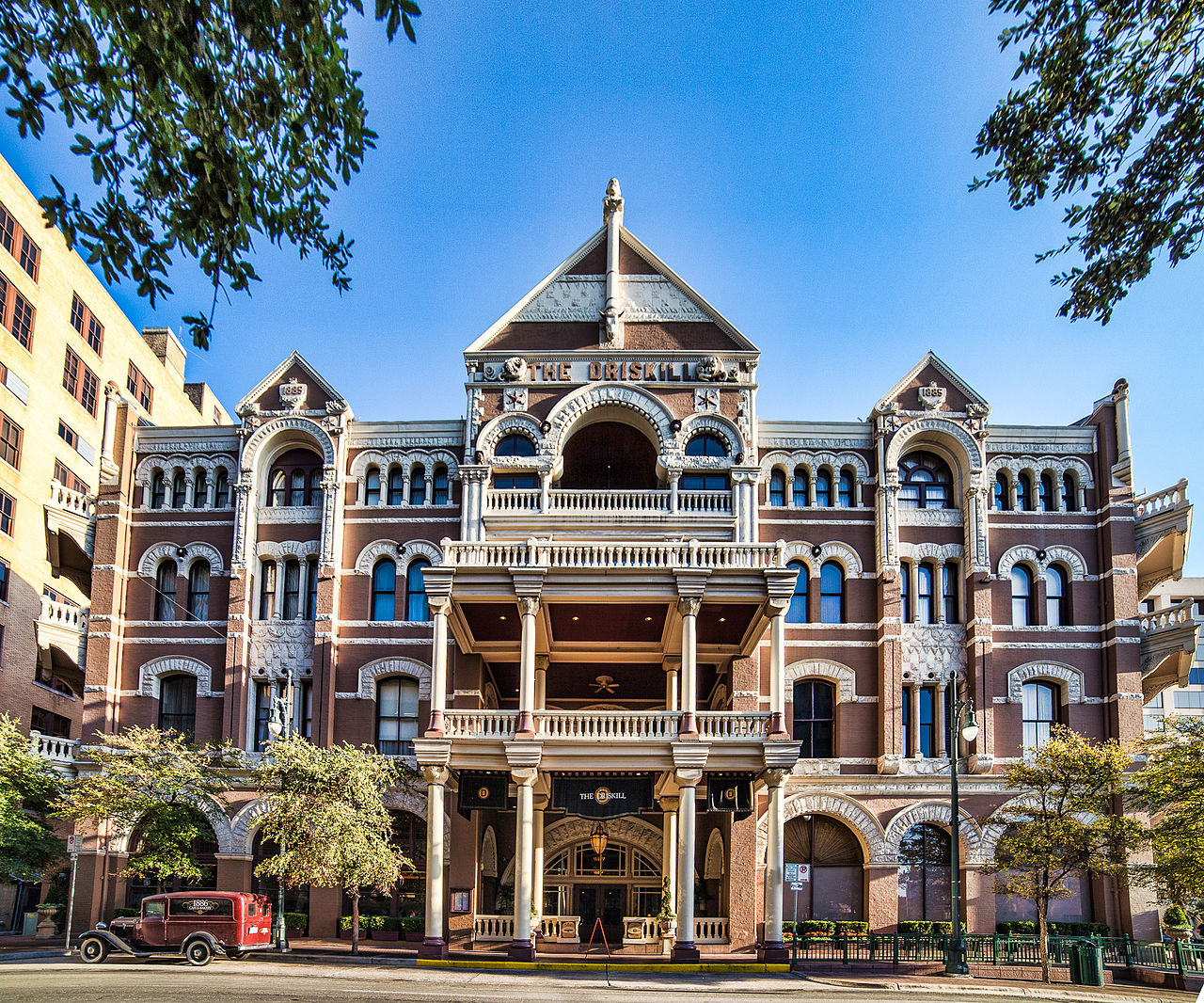




Overview and character
Austin combines roles as a state capital, a center for higher education, and a regional technology and cultural hub. Its skyline, neighborhoods, and public spaces reflect a mix of state government offices, university facilities, startups and established firms, and a lively arts scene. The city is widely marketed and celebrated as the "Live Music Capital of the World," a label tied to a dense network of venues, touring acts and recording activity.
History and government
Austin grew in the 19th century as Texas organized its institutions and selected a location for government functions. Over time the city developed municipal government, county administration and state offices that now occupy a range of historic and modern buildings. It remains the seat of state policymaking while also hosting civic institutions and community organizations.
Education, economy, and innovation
The University of Texas at Austin is a major public research institution in the city and anchors its education and research sectors; the campus contributes cultural, scientific and athletic programs to the region (University of Texas at Austin). Austin's economy includes government employment, higher education, a substantial technology and creative industries presence, and corporate locations including several companies listed among the Fortune 500. The combination of venture-backed startups and larger corporate offices has given the city a reputation as a tech center.
Culture, events, and notable features
Austin is known for an active live-music circuit, film and interactive festivals, and public festivals that attract national and international audiences. Annual events include major music and media festivals, outdoor recreation on local lakes and parks, and neighborhood cultural gatherings. Landmarks range from historic districts and state capitol grounds to contemporary arts venues and riverside trails.
Neighborhoods and distinctions
- Distinctive neighborhoods and commercial corridors with varied architecture and local businesses.
- Strong outdoor culture with green spaces, bicycle and hiking routes along waterways.
- A reputation for combining government, higher education, technology and creative industries in a single urban area.
Together these features make Austin a prominent regional capital and a focal point for culture, education, and economic growth in central Texas. Visitors and residents often cite its music scene, university life and dynamic local economy as defining characteristics of the city.
Questions and answers
Q: What is Austin, Texas?
A: Austin, Texas is the capital city of the U.S. state of Texas.
Q: Where is Travis County located?
A: Travis County is located in Austin, Texas.
Q: What is the population of Austin in 2016?
A: In 2016, Austin’s population was 931,830.
Q: Where is the University of Texas at Austin located?
A: The University of Texas at Austin is located in Austin, Texas.
Q: Why is Austin called the “Live Music Capital of the World”?
A: Austin is frequently called the “Live Music Capital of the World” because it has a vibrant live music scene with many festivals and music events.
Q: Do any Fortune 500 companies have their offices in Austin, Texas?
A: Yes, several Fortune 500 companies have their main offices and regional offices in Austin, Texas.
Q: What is the rank of Austin among the largest cities in the United States?
A: Austin is the 11th-largest city in the United States, and the 4th-largest in Texas.
Tags
Related articles
Author
AlegsaOnline.com Austin, Texas Leandro Alegsa
URL: https://en.alegsaonline.com/art/7452
Sources
- ci.austin.tx.us : "Live Music Capital of the World"
- factfinder.census.gov : "Census: San Marcos fastest-growing U.S. city — again" · webcitation.org
- chron.com : Austin Police increase reward for information in bombings case
- sports.yahoo.com : "Ten largest cities without a major pro sports franchise in North America"
- formula1.com : "Formula One returns to the United States"
- commons.wikimedia.org : Austin, Texas