
Sacramento, California: Capital City, History, and Urban Overview
Overview of Sacramento, the capital of California: geography, founding, role in the Gold Rush, government, economy, culture, transportation, and notable features.
Overview
Sacramento is the capital city of the state often identified simply as California. It serves as the seat of the state's executive and legislative branches, where the governor and legislature conduct official business. With a city population of roughly half a million and a larger metropolitan area approaching two million people, Sacramento functions as an administrative, commercial, and regional service center for Northern California.
Image gallery
10 Images




Geography and climate
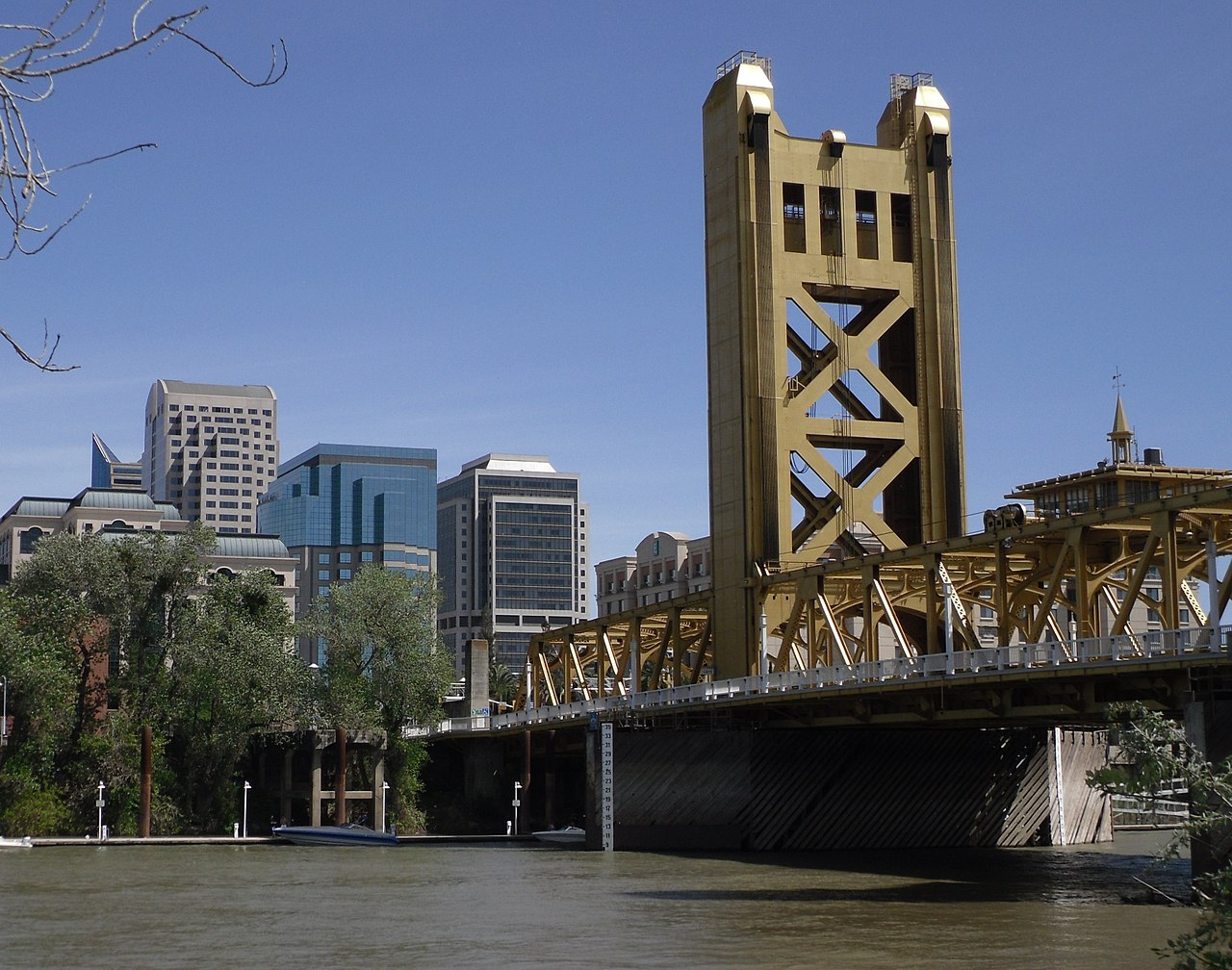
The city lies near the confluence of the Sacramento River and the American River, a location that shaped its early growth and continues to influence its economy and flood management. Sacramento has a Mediterranean climate: hot, dry summers and cool, wetter winters. Its rivers historically provided navigable access to the Pacific Ocean by sea and river craft, making the city an important inland port in the 19th century.
Origins and early history
Sacramento was established in the late 1840s by settlers such as John Sutter and others who built trading posts and farms near the river junction. The city's name derives from religious words in Spanish and Portuguese, referring to a sacrament or holy rite. Sacramento's location made it a focal point during the California Gold Rush: it was a gateway for miners and supplies after gold was discovered and became a transportation hub for steamboats, stage routes and, later, the transcontinental railroad.
Role in the Gold Rush and transportation
When prospectors flocked to California in search of gold, Sacramento grew quickly as a supply center and departure point for inland camps. Connections to overland and river routes, use as a railroad terminus, and stops by historic relay services such as the Pony Express all contributed to its 19th-century prominence. The city evolved from a frontier port into an established urban center as commerce expanded.
Government, economy, and culture
As the state capital, government employment is a cornerstone of the local economy, alongside healthcare, education, and distribution industries. Sacramento is also close to major agricultural regions, giving it a long-standing role in food processing and logistics and a contemporary reputation for fresh local cuisine. Cultural institutions, museums and parks reflect the city's diverse history and its continuing role as a regional hub.
Challenges and notable features
Sacramento faces typical urban challenges: managing flood risk along river corridors, guiding growth while preserving historic areas, and investing in transportation and infrastructure. Over time it has built levee systems and other flood-control measures. The city is known for its riverside parks, state government buildings, and a blend of historic neighborhoods and newer development. Visitors and residents often encounter a mix of political, agricultural and cultural influences that define Sacramento's distinctive place in California's landscape.
Further reading
- Official state and municipal resources: state government, local planning agencies.
- Historical summaries of the Gold Rush era and early settlement: see timelines beginning in 1848.
- Transportation and river history: steamboat, railroad and overland routes tied to regional trade and access to the Pacific Ocean.
For broader context about the linguistic origins of the city's name see entries on religious terms in Spanish and Portuguese, and for nineteenth-century communications networks consult material on the Pony Express and early mail routes. Additional archival and tourism resources are available through regional libraries and visitor centers (state and local portals).
Questions and answers
Q: What is Sacramento?
A: Sacramento is the capital city of the U.S. state of California.
Q: Who is located in Sacramento?
A: The governor and legislature of California are located in Sacramento.
Q: How many people live in Sacramento?
A: Around 520,000 people live in Sacramento and about 2,000,000 live in and around Sacramento.
Q: What is the origin of Sacramento?
A: Sacramento comes from Spanish and Portuguese for "holy rite". It refers to a religious act that grants divine grace to people.
Q: Who founded Sacramento?
A: Sacramento was founded in 1848 by John Sutter.
Q: What was the Gold Rush?
A: The Gold Rush refers to the time when gold was discovered in California, and many people came there to find gold to make money.
Q: Why was Sacramento important during the Gold Rush?
A: Sacramento was where the railroad and the Pony Express ended during the Gold Rush. It was also located near the American River meeting the Sacramento River, which made it a strategic spot for receiving goods from the Pacific Ocean and transporting them by railroad, making it a port town and a significant center for business.
Related articles
Author
AlegsaOnline.com Sacramento, California: Capital City, History, and Urban Overview Leandro Alegsa
URL: https://en.alegsaonline.com/art/85148
Sources
- calafco.org : "California Cities by Incorporation Date" · web.archive.org
- portal.cityofsacramento.org : "City Hall"
- portal.cityofsacramento.org : "Mayor & Council"
- www2.census.gov : "2016 U.S. Gazetteer Files"
- geonames.usgs.gov : "Sacramento"
- factfinder.census.gov : "American Fact Finder – Results"
- factfinder.census.gov : "American Fact Finder – Results"
- factfinder.census.gov : "American Fact Finder – Results"