
Daman and Diu
Former small Indian union territory on the west coast, made of two coastal districts with Portuguese heritage; annexed in 1961 and merged in 2020 into a larger union territory.
Overview
Daman and Diu was a small union territory of India located on the western coast, composed of two geographically separate districts: Daman on the mainland and Diu on an island off the coast of Gujarat. The combined area was about 130 km² (roughly 50 square miles). The territory was notable for its coastal landscape, colonial architecture and a cultural mix reflecting long Portuguese presence alongside Gujarati and Konkani regional traditions.
Image gallery
4 Images


Geography and administration
The two districts are non-contiguous and separated by parts of the Indian state of Gujarat. Daman lies at the mouth of the Daman Ganga River and includes estuaries, mangroves and a small urban centre. Diu consists of a fortified island and nearby islets, with sandy beaches and rocky headlands. Administratively the territory was governed directly by the central government of India as a union territory, with a limited local bureaucracy and a small number of districts.
History
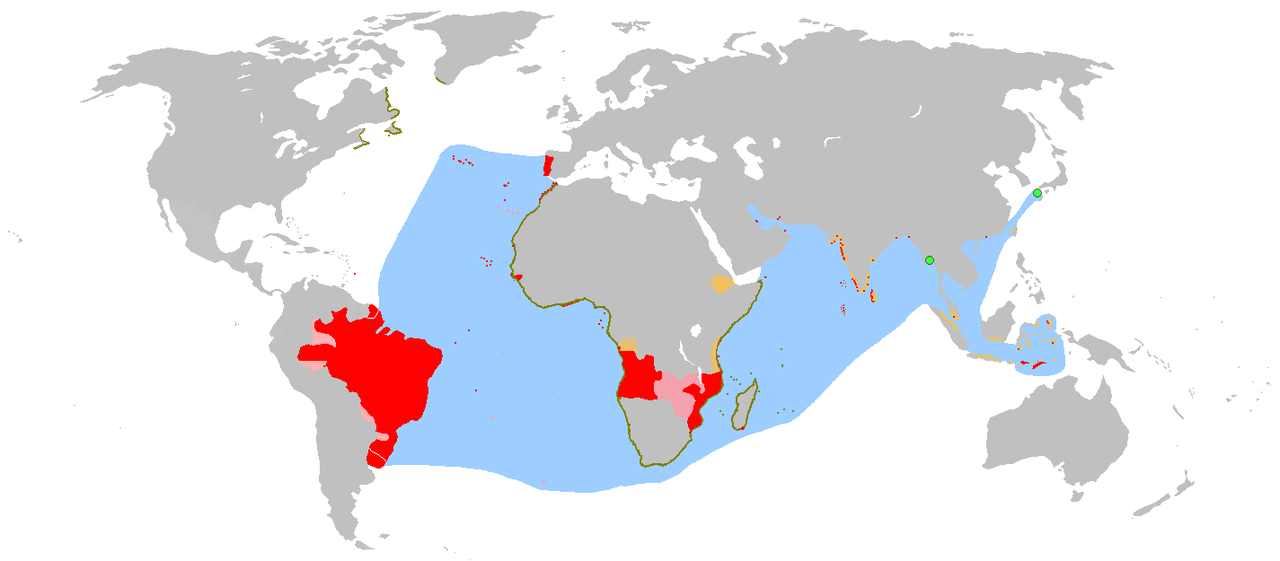
Both districts were part of Portugal's overseas possessions in India from the early modern period until the mid-20th century. In 1961, following military action by India to end Portuguese rule on the subcontinent, Daman and Diu became part of India and were organised as a union territory. The Portuguese legacy remained visible in urban layouts, churches, place names and some family names. In 2020 the territory was merged with the neighbouring territory of Dadra and Nagar Haveli to form a single union territory with a longer combined name.
Demographics and culture
The population of the territory included Hindu, Christian and Muslim communities, with Gujarati and Konkani widely spoken. Portuguese influence persisted in architecture, church festivals, cuisine and in some local customs. Cultural life featured a blend of regional Gujarati practices and legacy Portuguese Catholic traditions, seen in churches, processions and place names.
Economy and transport
The local economy relied on fishing, small-scale manufacturing, trade and a modest tourism sector. Ports and beaches attracted domestic visitors seeking seaside resorts and historic forts. Road links connect the districts to neighbouring parts of Gujarat; the island of Diu is accessible by causeway and ferry services served the area at various times. Small commercial and industrial units provided employment alongside traditional occupations.
Tourism and heritage
Tourist attractions included colonial forts and ramparts, churches and residential quarters dating from the Portuguese era, sandy beaches and coastal promenades. Local seafood cuisine and annual religious festivals are notable features that draw visitors interested in history, architecture and coastal leisure. Conservation concerns have focused on managing coastal development, protecting mangroves and maintaining historic buildings.
Post-merger status
In 2020 the union territory was administratively merged with Dadra and Nagar Haveli to form a new combined union territory. The change altered the administrative arrangements while many local institutions, cultural traits and tourism attractions continued to be associated with the names Daman and Diu in common usage.
Further reading and links
For official profiles, historical overview and travel information, see the following links:
Related articles
Author
AlegsaOnline.com Daman and Diu Leandro Alegsa
URL: https://en.alegsaonline.com/art/25254