
Wallis and Futuna
A small French Pacific territory of three volcanic islands—Wallis (Uvea), Futuna and Alofi—known for Polynesian culture, Catholic influence, traditional kingdoms and fringing reefs in the South Pacific.
Overview
Wallis and Futuna is a small French-administered territory in the South Pacific made up of three volcanic islands with surrounding reefs. Its most commonly used names include the English "Wallis and Futuna" and the French Wallis et Futuna. The group lies at approximately 14°18′S, 178°6′W between larger island groups in the region.
Image gallery
10 Images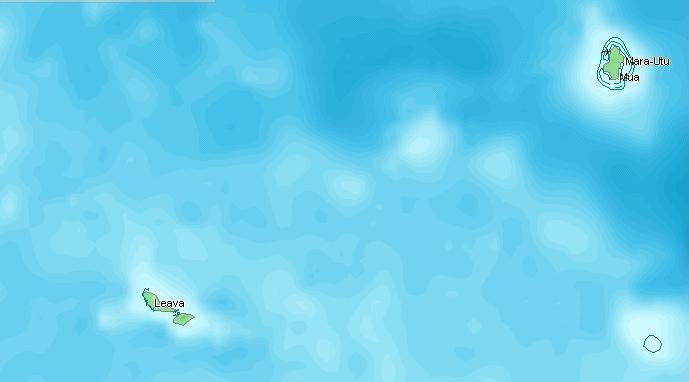


Geography and main islands
The territory consists of three closely associated islands: Wallis (also called Uvea), Futuna and the smaller, largely uninhabited Alofi. Wallis is separate from Futuna and Alofi; all are volcanic in origin and fringed by coral reefs and lagoons that shape local coastlines and marine life. A concise list of the islands:
- Wallis (Uvea) — the administrative center and population hub.
- Futuna — culturally close to other Polynesian societies.
- Alofi — mostly uninhabited but ecologically linked to Futuna.
Political status and society
Wallis and Futuna is an overseas French territory with local institutions that combine French administration and customary traditional leadership. Three indigenous kingdoms — Uvea, Sigave and Alo — continue to play an important social and cultural role alongside formal government structures. French is the official administrative language, while Polynesian languages derived from Wallisian (Uvean) and Futunan are commonly spoken in everyday life.
History and contacts
The islands have been inhabited by Polynesian peoples for centuries and were visited by European explorers in the 18th century; one island bears the name of the British navigator Samuel Wallis. Catholic missionaries arrived in the 19th century and had a major influence on religious life. The islands entered into closer political association with France during the 19th and 20th centuries, which shaped their modern legal and administrative arrangements.
Economy, transport and environment
The local economy is small and based largely on subsistence agriculture, fishing, public administration and remittances. Regular external links are limited; travel and supply routes connect the territory with neighboring Pacific hubs and with mainland French services. The islands have a tropical climate, are susceptible to cyclones, and host marine and terrestrial habitats that are important for conservation.
Notable facts and context
Although remote and sparsely populated, Wallis and Futuna occupy an important place culturally as a Polynesian community with preserved traditions and three active monarchies. The territory’s location in the South Pacific places it between regional neighbors such as Fiji and Samoa, and its coordinates and conservation status are documented in regional charts and research sources [map]. For more general background see introductory references and regional overviews [geology] and [culture].
Tags
Related articles
Author
AlegsaOnline.com Wallis and Futuna Leandro Alegsa
URL: https://en.alegsaonline.com/art/106299