
Dâmbovița County — geography, history, economy and attractions
Dâmbovița County in southern Romania, with seat at Târgoviște, covers a transition zone from sub-Carpathian hills to the Wallachian Plain; known for medieval heritage, agriculture and regional industry.
Overview
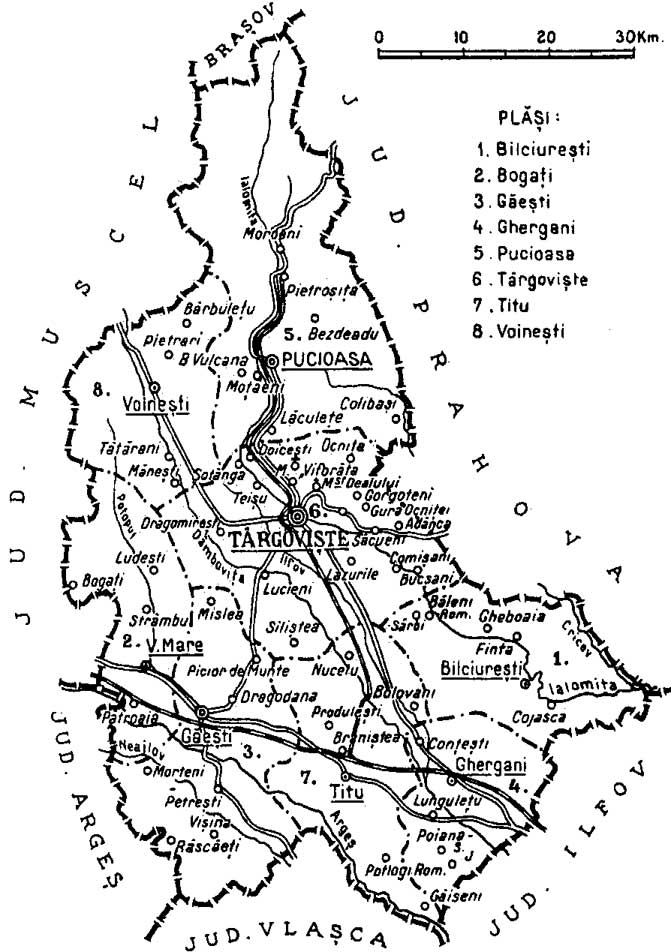
Dâmbovița County is an administrative unit in southern Romania, located in the historical region of Muntenia. Its administrative centre is the city of Târgoviște, a town with important medieval heritage. The county lies within reach of the national capital and forms part of Romania's central-southern economic and cultural landscape. For national context, see Romania.
Image gallery
10 Images





Geography and environment
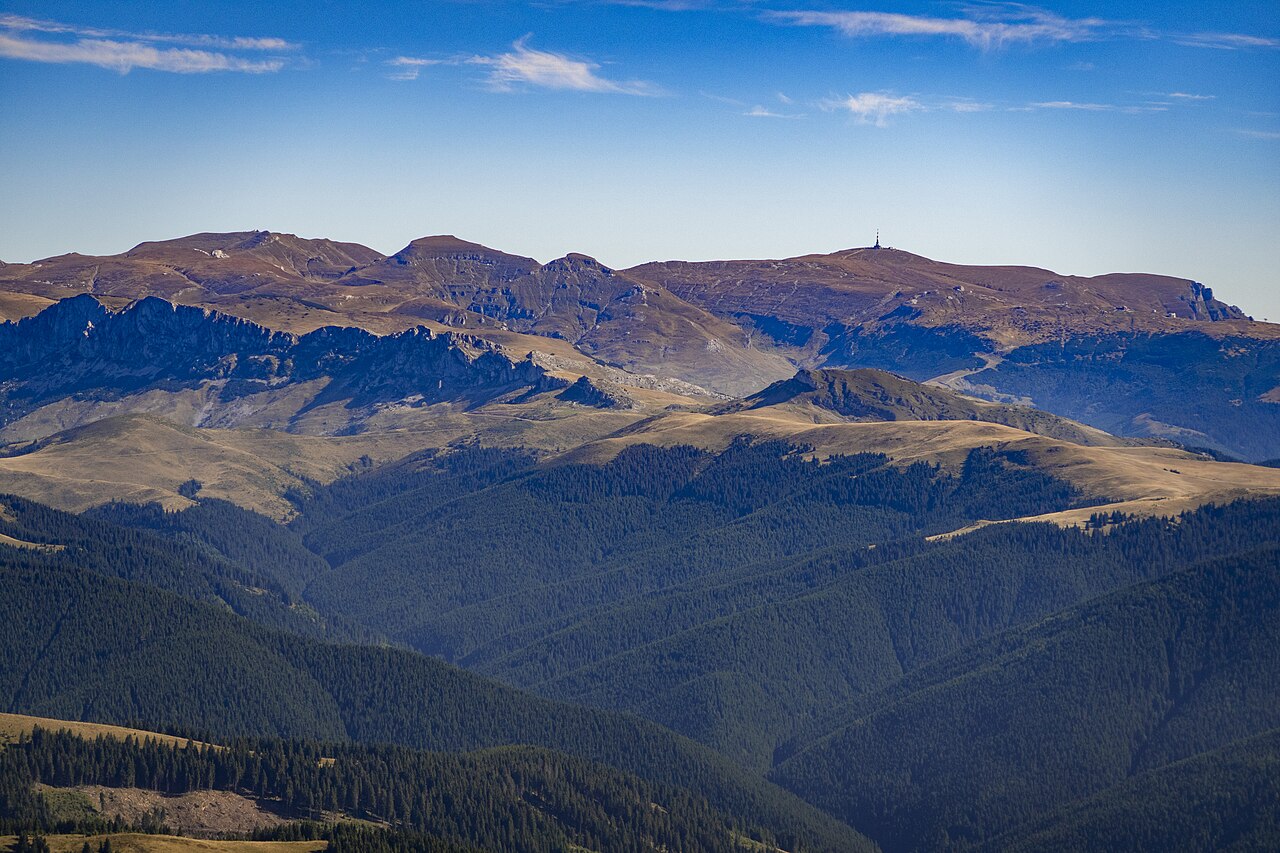
Dâmbovița occupies a varied terrain that transitions from low sub-Carpathian hills in the north to the flat agricultural plains of southern Muntenia. The Dâmbovița River, which gives the county its name, crosses the region and historically shaped local settlement. Soils, climate and the mix of hills and plains support both crop cultivation and pastures.
History and cultural heritage
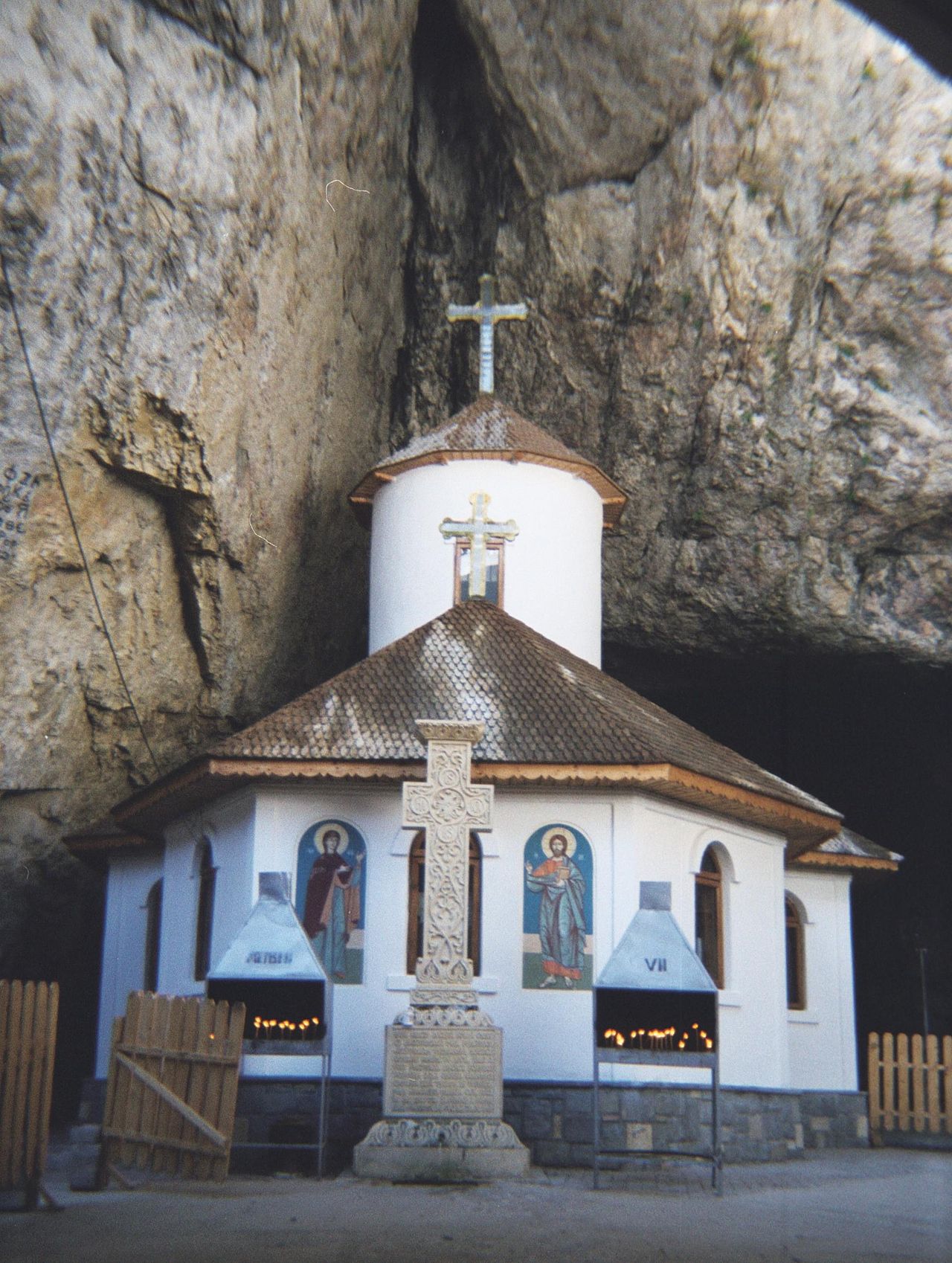
Târgoviște served as an important princely seat in Wallachia during the medieval and early modern eras, leaving behind fortress remains, towers and princely courts. The county's towns and villages preserve churches, folk customs and elements of rural architecture that reflect its long habitation and shifting administrative role within Romanian history.
Economy and infrastructure
The county economy combines agriculture, food processing, light industry and services. Transport links include regional roads and rail connections that link local urban centres with larger hubs. Rural communities remain oriented to farming, while urban areas concentrate administration, education and small-scale manufacturing.
Attractions and notable features
- Medieval archaeological and architectural sites concentrated around Târgoviște.
- Scenic sub-Carpathian landscapes and rural tourism opportunities.
- Local festivals, handicrafts and traditional cuisine reflecting Muntenia's culture.
Administratively the county comprises municipalities, towns and numerous communes governed from the county seat. Dâmbovița's mix of historical sites, varied landscape and agricultural base makes it both a regional service centre and a destination for cultural tourism.
Related articles
Author
AlegsaOnline.com Dâmbovița County — geography, history, economy and attractions Leandro Alegsa
URL: https://en.alegsaonline.com/art/25268
Sources
- recensamantromania.ro : "Population at 20 October 2011"