
Damoh district (Madhya Pradesh)
Damoh district, in the Sagar Division of Madhya Pradesh, central India, is an administrative region with a largely agrarian economy, historic sites, and transport links to larger urban centres.
Damoh district is an administrative district in the Indian state of Madhya Pradesh. Located in central India, its administrative headquarters is the town of Damoh. The district combines rural and urban settlements and is governed through the state's standard division-district-tehsil system. It lies within the broader cultural and geographic zones of central India and serves as a local centre for commerce and public services.
Image gallery
5 Images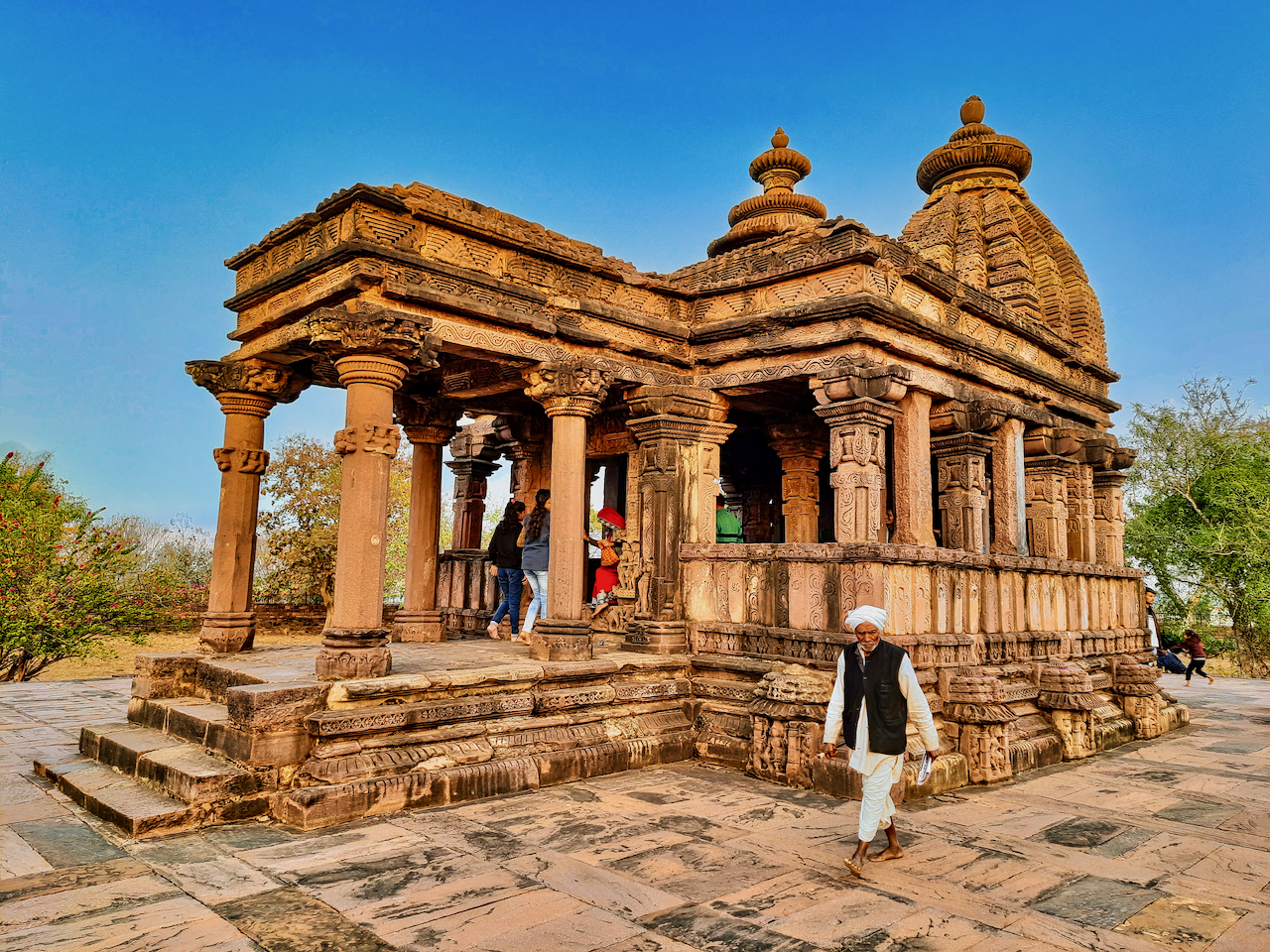


Geography and climate
Damoh occupies territory typical of the central Indian plateau, with undulating terrain, agricultural plains and pockets of rocky outcrops. The climate is characterised by hot summers, a monsoon season that brings the majority of annual rainfall, and cooler winters. Local rivers and seasonal streams support irrigation and agriculture, while the landscape supports both cultivated land and areas of scrub and dry deciduous vegetation.
History and cultural heritage
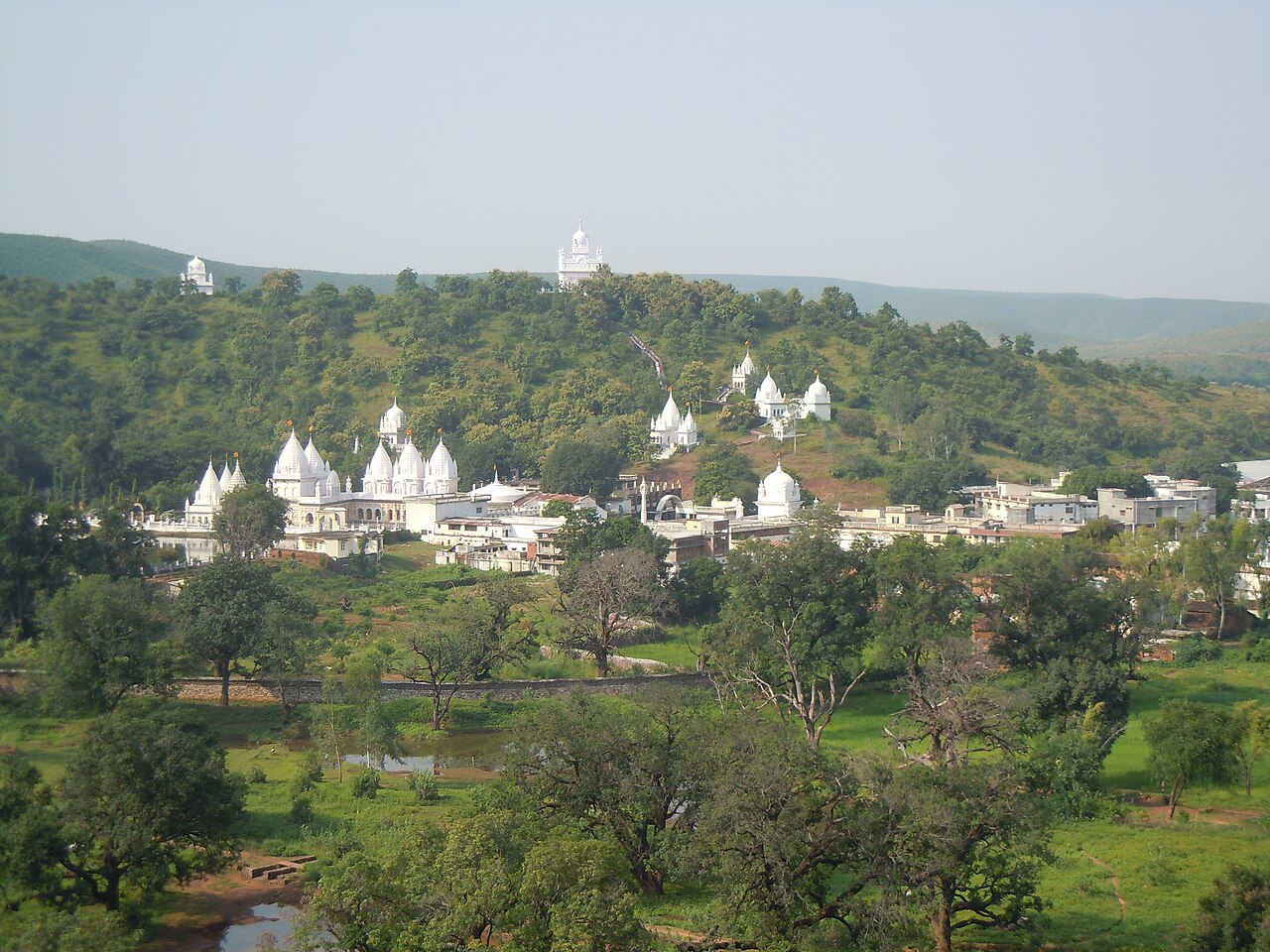
The district's history reflects layers of human settlement and changing political control common across central India: prehistoric occupation, ancient and medieval kingdoms, and later integration into colonial administration before Indian independence. Remnants of older forts, temples and other archaeological sites are found in and around the district, and they contribute to its cultural identity. Local festivals, languages and craft traditions follow the patterns of the surrounding region.
Economy and society
Damoh's economy is largely agrarian, with a substantial portion of the population engaged in farming and allied activities. Common crops include wheat, pulses and oilseeds, and farmers often depend on monsoon rains supplemented by irrigation where available. Small-scale trade, services, and periodic markets in the district headquarters and towns provide additional livelihoods. The population is a mix of rural communities and urban residents, with social and religious diversity typical of central Indian districts.
Administration and transport
The district is divided into administrative subunits such as tehsils and panchayats that manage local governance, rural development and public welfare. Damoh is connected by road and rail to larger cities in Madhya Pradesh and beyond, enabling movement of people and goods. Public services include educational institutions, health centres and local government offices serving residents across the district.
Places of interest and significance
- Historic temples, forts and archaeological sites that reflect the district's long habitation.
- Local markets and cultural events that showcase regional crafts and agricultural produce.
- Natural features such as seasonal streams and plateau landscapes that shape local livelihoods.
Damoh district plays a role as a regional hub in the central Indian landscape: administratively important, agriculturally productive, and culturally connected to the broader patterns of Madhya Pradesh and central India.
Related articles
Author
AlegsaOnline.com Damoh district (Madhya Pradesh) Leandro Alegsa
URL: https://en.alegsaonline.com/art/25285