
Dadra and Nagar Haveli
Former union territory in western India (about 487 km²) with capital Silvassa. A tribal-influenced, industrially active region that merged in 2020 with Daman and Diu to form a new union territory.
Overview
Dadra and Nagar Haveli was a small union territory on India’s western side, bordering the states of Gujarat and Maharashtra. It covered roughly 188 square miles (about 487 km²) and included two non-contiguous areas: the village of Dadra and the larger region known as Nagar Haveli. The administrative headquarters and largest town was Silvassa, known for its industry and proximity to forested hills. More administrative details can be found through an official summary here.
Image gallery
10 Images




Geography and population
The territory combined deciduous forest, small rivers and agricultural land. Its modest size makes it larger than some small countries but smaller than others; for quick comparisons see area references comparison data and a general size note regional comparison. The population included a significant number of indigenous tribal communities—among them groups who maintain distinctive languages, crafts and festivals—alongside migrants drawn by industry and services. Common languages include Gujarati, Marathi and Hindi, together with local tribal tongues.
History and administrative development
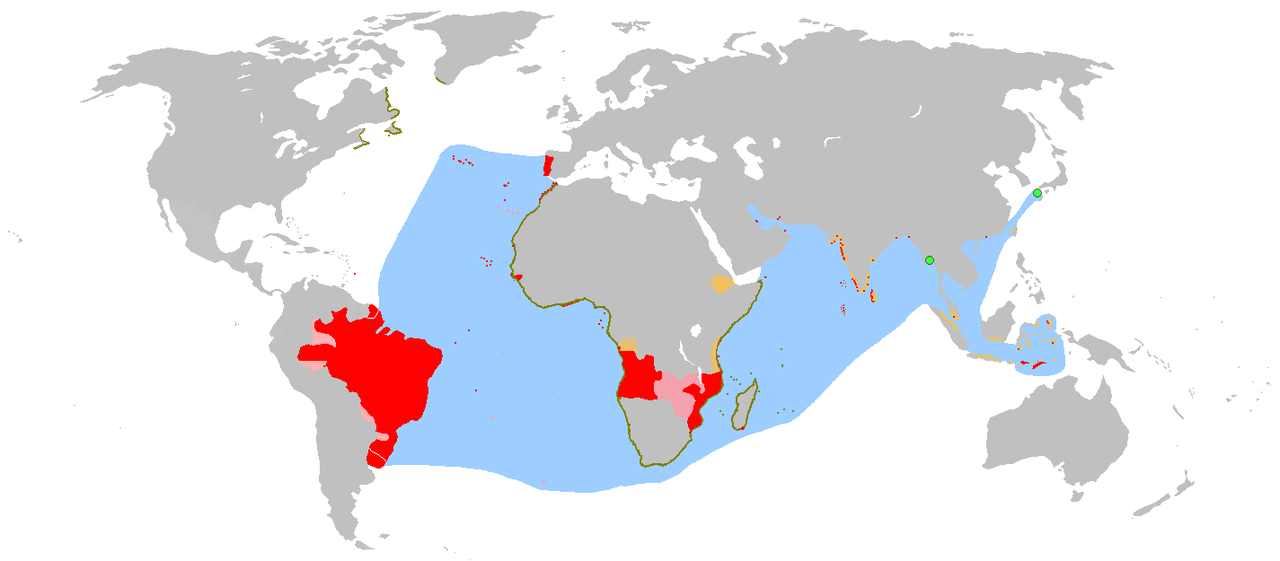
The area has a layered history: it was a Portuguese enclave until the mid-20th century and thereafter came under Indian administration following local movements and agreements. For concise historical context consult regional summaries historical notes. Administratively it functioned as a union territory for decades, with its own local institutions under direct central government oversight.
Economy and land use
Silvassa developed as an industrial and commercial center, attracting light manufacturing, small-scale industry and warehouses largely because of favourable tax rules and infrastructure. Agriculture, forestry and cottage crafts have remained important for rural livelihoods. Tourism is limited but includes visits for tribal art, religious sites and natural scenery; planners and investors have used regional profiles such as this economic outline for guidance.
Merger and current status
In 2020 the union territory was merged with the neighbouring territory of Daman and Diu to form the single union territory called Dadra and Nagar Haveli and Daman and Diu. Following that reorganization, Dadra and Nagar Haveli became a district within the new entity. The change aimed to streamline administration while preserving local identity and development priorities.
Notable facts and distinctions
- Size: about 487 km², which places it between several small nations in scale.
- Administrative history: a former Portuguese possession that later became an Indian union territory and then part of a merged territory.
- Cultural life: rich tribal traditions, craftwork and seasonal festivals continue to shape local identity.
- Economic role: small but important manufacturing hub within the region, centered on Silvassa.
Related articles
Author
AlegsaOnline.com Dadra and Nagar Haveli Leandro Alegsa
URL: https://en.alegsaonline.com/art/25049