
Dalsland: the lake-rich historical province of western Sweden
Dalsland is a small, sparsely populated historical province in western Sweden, known for its many lakes, mixed forests, outdoor recreation and the scenic Dalsland Canal.
Dalsland is a traditional Swedish province (landskap) located in western Sweden. It is characterized by a dispersed settlement pattern, low population density and a landscape dominated by water and woodland rather than large towns or urban sprawl. Dalsland is part of Sweden's cultural geography and is often visited for its natural scenery and outdoor activities.
Image gallery
4 Images

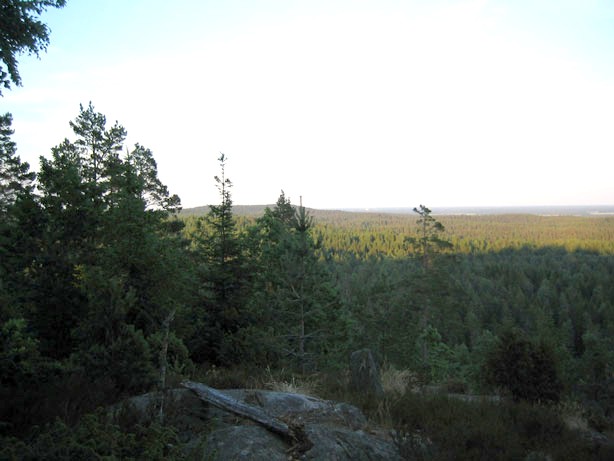

Geography and landscape
The region is noted for an extensive network of freshwater bodies and islands, with lakes and streams carved into a mosaic of forests and rocky ground. Much of Dalsland drains into larger systems connected to Sweden's major lakes. This watery terrain creates a patchwork of islands, peninsulas and sheltered bays that shapes local land use and wildlife habitats.
Waterways and recreation
One of the province's best-known features is the canal system that links many inland lakes and provides scenic routes for small boats, canoeists and pleasure craft. The Dalsland Canal and the smaller waterways are important for tourism and leisure, drawing visitors who come for boating, fishing and lakeside hiking. The abundance of lakes also supports angling, birdwatching and seasonal outdoor traditions.
History and cultural character
As a historical province, Dalsland has its own local identity within the broader context of Swedish history. It has long been shaped by forestry, small-scale farming and traditional crafts rather than large-scale industry. Remnants of earlier settlement, parish churches and rural cultural heritage remain visible in the landscape and community life.
Nature conservation and notable areas
Large tracts of forest and several protected areas preserve the more remote and wild sections of Dalsland, including areas of old-growth-like forest and wetlands that support diverse plant and animal life. These natural reserves are appreciated by those who seek quieter hiking trails and less developed wilderness close to urban centers.
Economy and modern uses
The local economy combines forestry, niche agriculture, small enterprises and tourism. Many visitors come seasonally to rent cabins, explore waterways or enjoy rural cultural events. Though administratively part of larger counties today, Dalsland retains a distinct identity that continues to attract nature-based tourism and recreation within Sweden.
- Distinctive features: network of lakes and islands
- Popular activities: boating, fishing, hiking
- Conservation: several protected forests and wetlands
For more structured information on the province and travel options, consult regional guides or official pages about Dalsland and its waterways, including those describing canal routes and nature reserves.
Related articles
Author
AlegsaOnline.com Dalsland: the lake-rich historical province of western Sweden Leandro Alegsa
URL: https://en.alegsaonline.com/art/25237
Sources
- scb.se : Statistics Sweden