
German National People's Party (Deutschnationale Volkspartei, DNVP)
The DNVP was a national-conservative political party in Germany from 1918 to 1933, influential in the Weimar era and later absorbed into the Nazi movement; it represented monarchist, nationalist and conservative interests.
Overview
The German National People's Party, commonly known by its German name Deutschnationale Volkspartei or by the initialism DNVP, was a right‑of‑centre political formation active in Germany after World War I. It emerged as a coalition of conservative, monarchist and nationalist groups that opposed the liberal and socialist currents of the postwar era and sought a revision of the settlement that followed the conflict.
Image gallery
10 Images


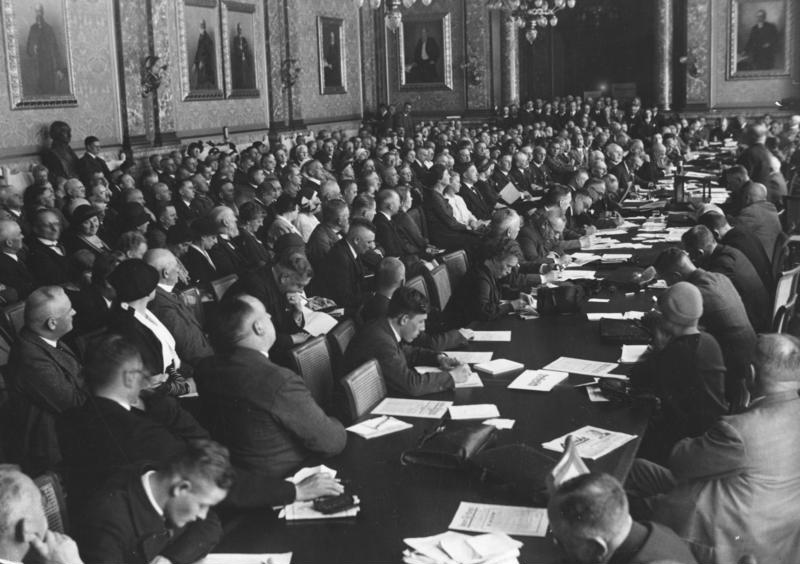
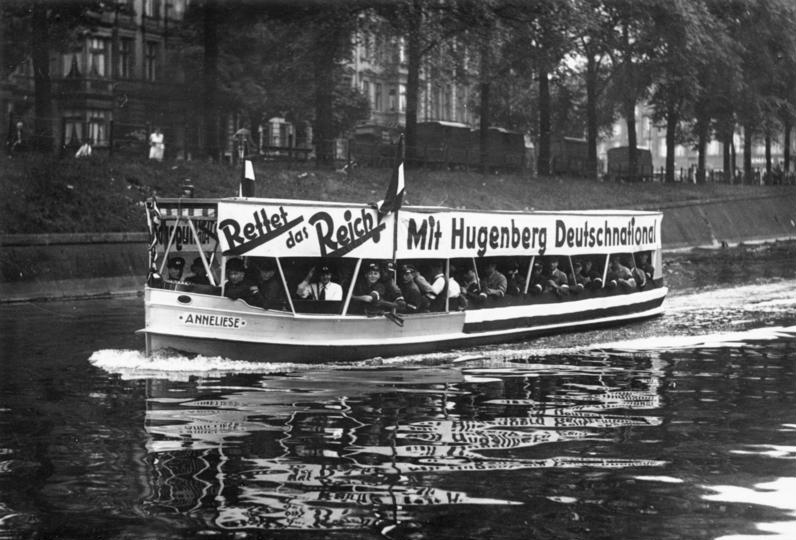

Ideology and social base
The DNVP combined national conservatism with strong opposition to the Treaty of Versailles and to the parliamentary system established under the Weimar Republic. Its constituency included large landowners, sections of industrialists, conservative Protestant elites, and many who favored restoration of prewar social hierarchies. Internal currents ranged from moderate conservative Christians to assertive nationalists and monarchists.
History and development
Formed in the aftermath of the German Empire's collapse, the DNVP operated as a major right‑wing force during the 1920s and early 1930s. It contested elections, participated in coalition politics at times, and also engaged in public campaigns against the republican regime and liberal policies. During the late 1920s and early 1930s the party came under the leadership of prominent figures from media and industrial circles, which shifted its strategy toward closer cooperation with radical nationalist elements.
Role in the end of the Weimar era and merger
Facing declining independent relevance and confronted by the rise of the National Socialist German Workers’ Party, many DNVP leaders opted for tactical collaboration with Adolf Hitler’s movement. In 1933, following political maneuvers that dismantled democratic institutions, the DNVP was effectively absorbed into the Nazi political order and ceased to exist as an independent political force.
Legacy and notable facts
- Its support for nationalist revisionism and conservative authoritarian solutions made it a key actor in the erosion of Weimar democracy.
- Prominent DNVP figures included industrialists and media owners who believed cooperation with extremist forces could preserve traditional influence.
- The party’s merger into the ruling movement in 1933 illustrates how established conservative parties may be co‑opted during periods of crisis.
The DNVP remains a subject of study for historians examining the collapse of parliamentary government in Germany and the transfer of conservative support to radical alternatives.
Related articles
Author
AlegsaOnline.com German National People's Party (Deutschnationale Volkspartei, DNVP) Leandro Alegsa
URL: https://en.alegsaonline.com/art/38461