
Alfred P. Sloan: Industrial Leader, Managerial Reformer, and Philanthropist
Alfred P. Sloan (1875–1966) led General Motors, developed a modern management system combining central control and decentralized divisions, and supported scientific and educational philanthropy.
Alfred P. Sloan (May 23, 1875 – February 17, 1966) was a prominent American business executive best known for guiding General Motors into a leading position in the automobile industry. Born into a commercial family, Sloan trained at an early age for a business career and entered industry leadership roles while still young. He is remembered both for corporate innovations in management and for significant philanthropic gifts.
Image gallery
5 Images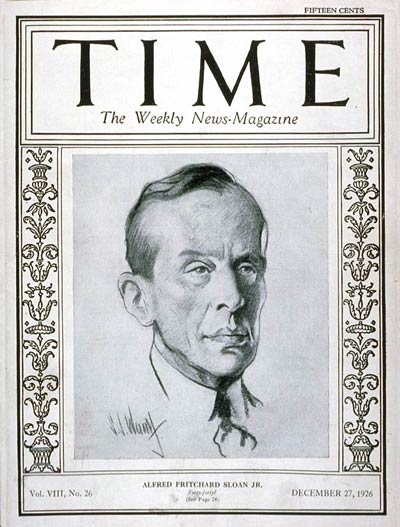


Early life and rise
Sloan studied engineering and business preparation as a young man and passed the entrance examination to MIT at an early age. When he was in his mid‑twenties his family acquired a bearing company and he was installed as its president, gaining direct manufacturing and managerial experience that prepared him for later responsibility. That early presidency set a pattern of practical, disciplined management that he brought to larger enterprises.
Management innovations
At General Motors Sloan introduced a structure that balanced localized responsibility with centralized strategic control. He is often associated with a blend of decentralization for operating divisions and centralized planning and finance, a combination sometimes described as coordinated autonomy. This approach allowed separate car brands to operate competitively while following unified long‑term policies. Sloan also promoted systematic budgeting, market segmentation, product planning (including annual model changes), and customer financing mechanisms to expand sales.
Business impact
Under Sloan’s stewardship, GM grew into a multi‑brand corporation with a clear pricing and product ladder that aimed to serve different market segments. His emphasis on management as a profession led to the development of executive training, formal planning, and performance measurement within large corporations. His methods influenced twentieth‑century corporate organization beyond the auto industry.
Philanthropy and legacy
Sloan was an active philanthropist who directed substantial resources to education, scientific research, and medical institutions. He helped establish and endow charitable organizations and programs that continue to bear his name, supporting work in management education and scientific research. His memoir and writings on business practice contributed to public understanding of corporate governance and executive responsibility.
Notable facts
- He served in top executive roles, including as president and later chairman of a major industrial corporation.
- Early experience running a family bearing company informed his practical management style; the company is often noted as a key step in his career (bearing company).
- His model combined centralized strategy with decentralized operations, an approach sometimes summarized as centralization plus delegation.
- He left a lasting imprint through philanthropy, institutional endowments, and writings that examined corporate structure and leadership.
Critics and historians debate aspects of his legacy — for example, whether practices like frequent model changes fostered wasteful consumption — but his contributions to modern corporate management and to several lasting charitable institutions remain widely acknowledged.
Related articles
Author
AlegsaOnline.com Alfred P. Sloan: Industrial Leader, Managerial Reformer, and Philanthropist Leandro Alegsa
URL: https://en.alegsaonline.com/art/2499