
Crochet
Crochet is a handcraft technique that forms fabric by pulling loops of yarn or thread with a hooked needle. It is used for clothing, home textiles, lace and decorative or functional objects.
Overview
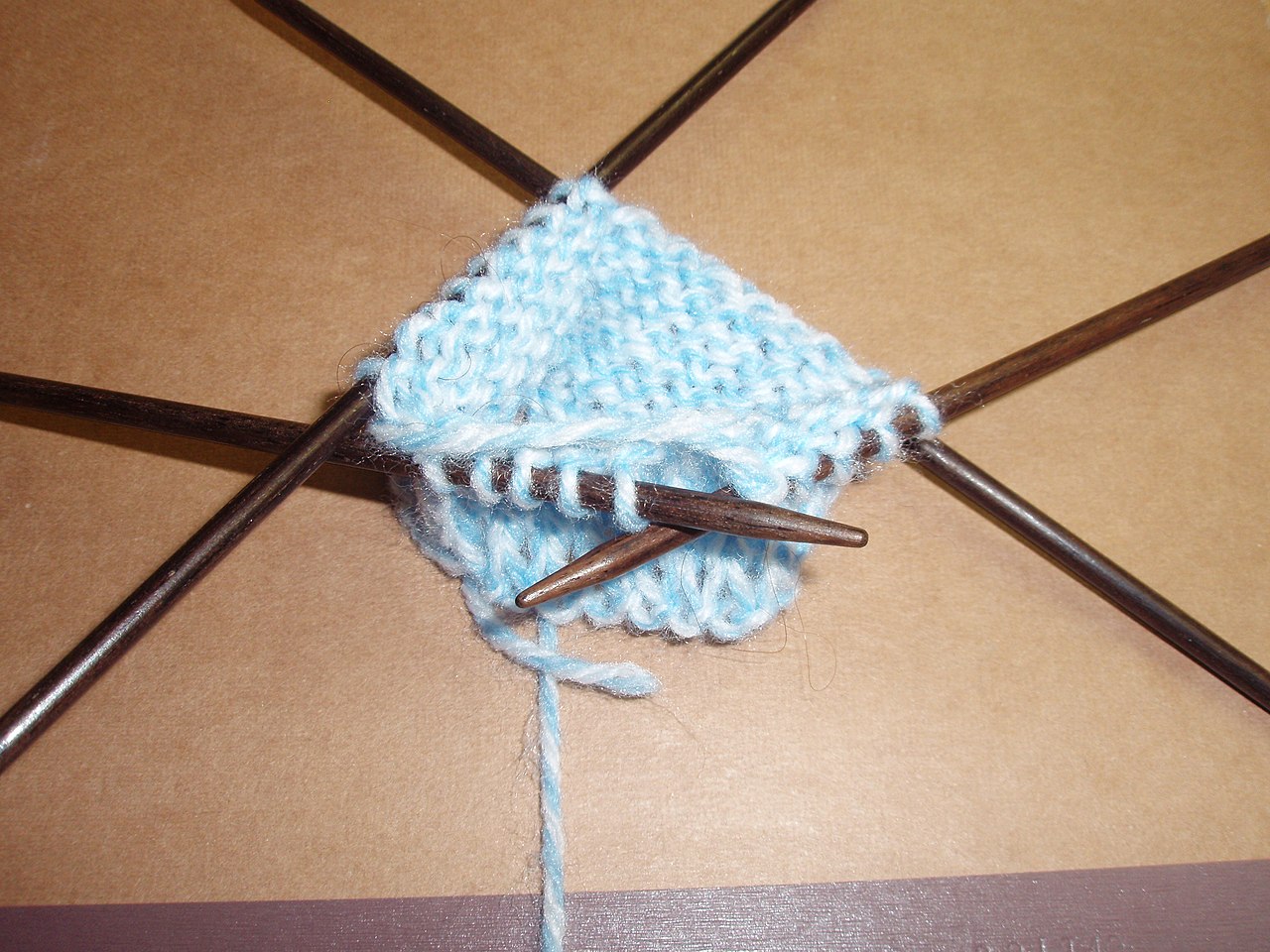
Crochet is a textile technique in which a single hooked needle is used to pull loops of yarn or thread through existing loops to build fabric. The hooked tool — the crochet hook — catches and draws yarn to form a sequence of interlocking loops. Unlike knitting, where multiple active loops are typically held on needles, crochet generally works with one active loop at a time, creating a distinctive texture and structure. For a quick comparison with a related craft, see knitting.
Image gallery
10 Images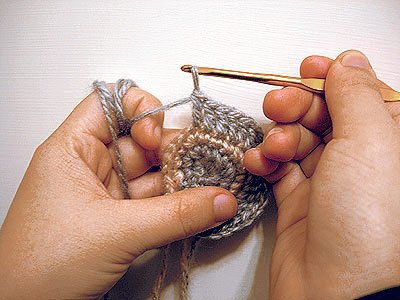




Techniques and common stitches
Although crochet can produce elaborate lace or dense fabric, the method relies on a relatively small set of stitch types repeated in different combinations and patterns. Beginner and advanced crocheters alike use basic stitches as building blocks for larger motifs and shapes.
- Chain stitch: the foundation loop used to begin most projects.
- Single crochet: a compact, tight stitch for firm fabric.
- Double and treble crochet: taller stitches that create open, drapey sections.
- Slip stitch and increases/decreases: techniques to join, move, or shape work.
History and development
Although inland origins are debated, crochet gained wide popularity in Europe during the 19th century. It was promoted as a domestic industry and leisure craft; Irish crochet lace became a valuable export and a form of economic relief during the potato famines. Over time, crochet has evolved from lace and household linens to fashion, amigurumi (crocheted toys), and contemporary fiber art.
Uses, materials and examples
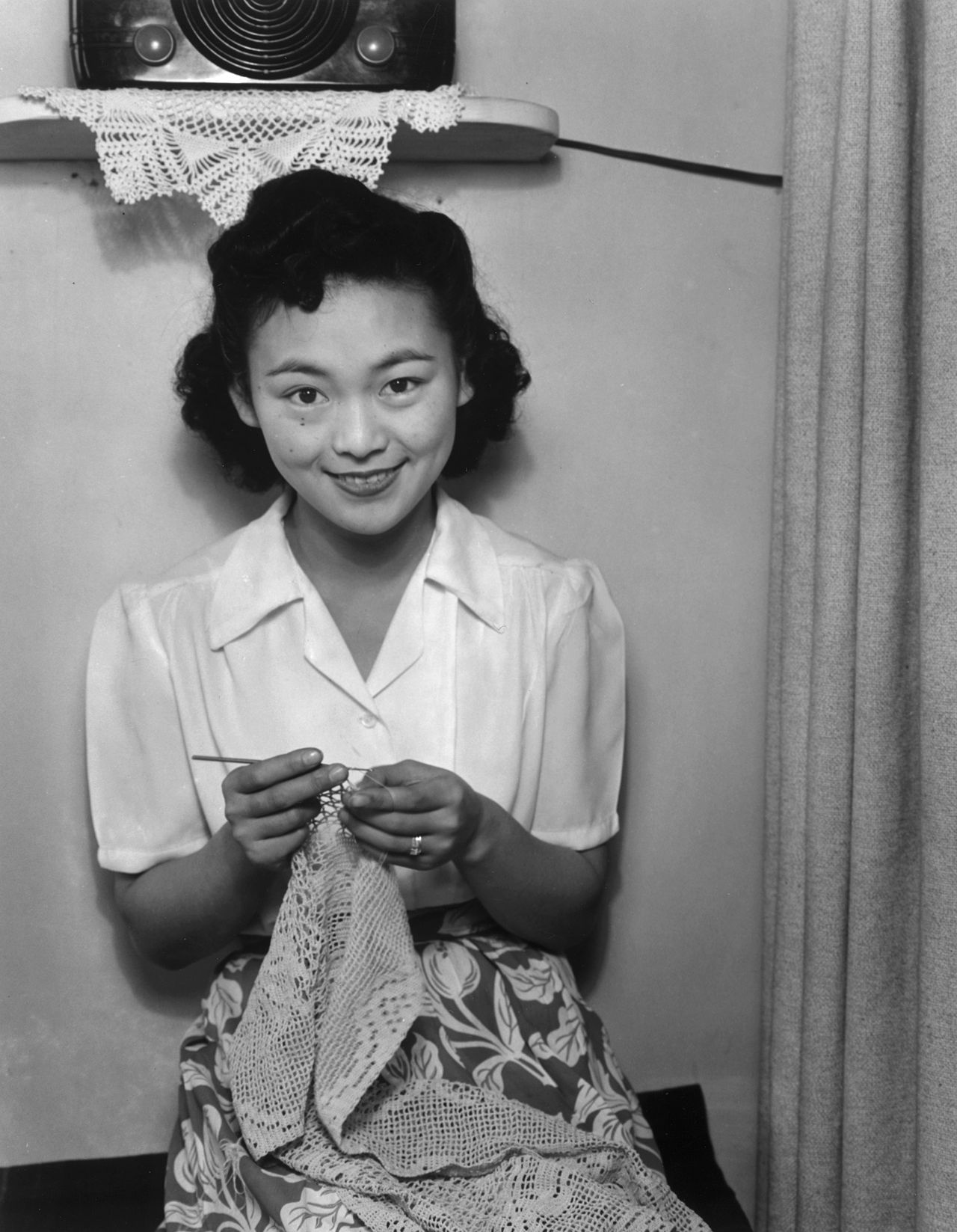
Crochet is versatile: crafters make garments and accessories such as sweaters, hats and scarves as well as household items like tablecloths, afghans and clothing. Blankets and throws rely on textured stitches and motifs; many patterns call specifically for blankets, granny squares and borders. Fine threadwork produces delicate lace, while sturdier yarns yield practical items such as potholders and bags. Crocheted toys and decorative pieces demonstrate the technique’s range from functional to playful.
Distinctive features and cultural importance
Crochet differs from other textile crafts like weaving and knitting in its loop structure, the use of a single active loop, and tools. It frequently uses more yarn than comparable knitted pieces but can be faster to produce by hand for many crafters. The craft serves social and therapeutic roles — group circles, charitable projects and mindful, creative practices are common. Patterns range from simple beginner projects to highly intricate lace and sculptural works, making crochet accessible yet capable of great technical and artistic complexity.
Whether learned through family tradition, classes, books or online resources, crochet remains a widely practiced fiber art with both practical applications and expressive possibilities.
Related articles
Author
AlegsaOnline.com Crochet Leandro Alegsa
URL: https://en.alegsaonline.com/art/24258