
Knitting: craft, techniques, and cultural importance
Knitting is the process of making fabric by forming interlocking loops of thread or yarn with needles or machines, producing garments, accessories, and textiles with diverse textures and structures.
Overview
Knitting is the method of producing fabric by creating a series of interlocked loops from a continuous strand of material. Traditionally done with two or more needles, it can also be performed by powered knitting machines. The working strand may be thread or yarn, and a wide variety of natural and synthetic fibers are used to achieve different drape, warmth, and durability.
Image gallery
10 Images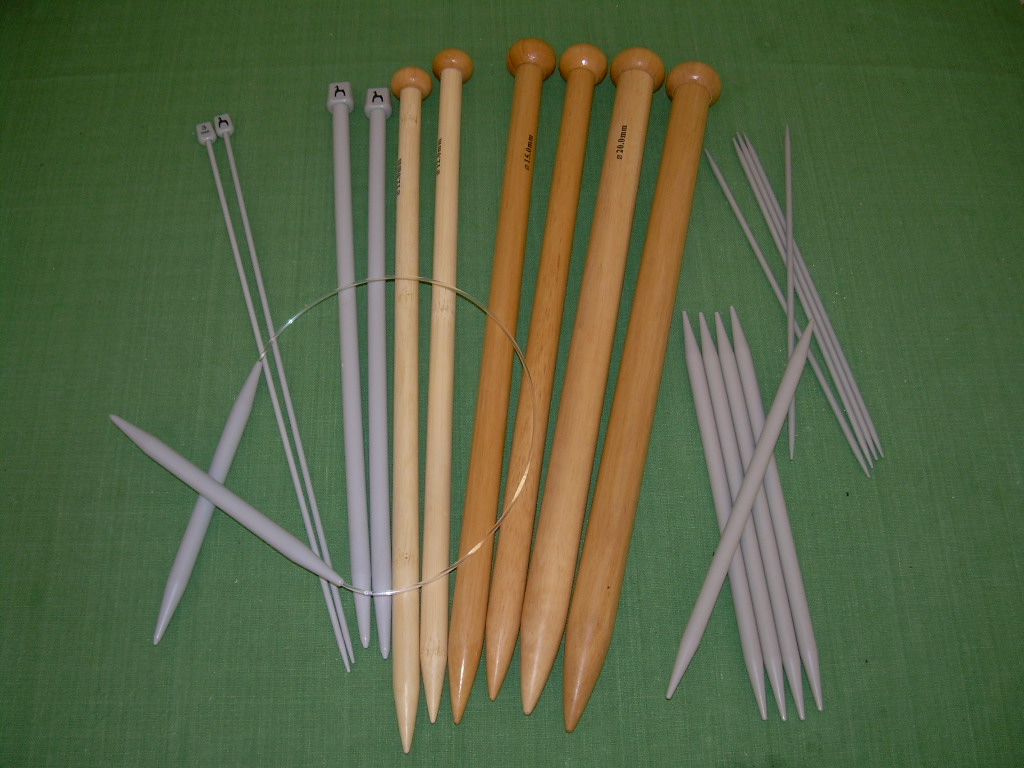


How knitting works
At its simplest knitting uses two fundamental stitch types, often called knit and purl. By varying the sequence and combination of these stitches a knitter creates stitches that form fabrics with distinct textures and properties. Because each stitch is an active loop, knitted fabric tends to be stretchier and more elastic than woven fabric.
Knitting differs from related techniques such as crochet (which uses a single hook to form loops) and weaving (which interlaces two perpendicular sets of yarns). The looped structure gives knit fabrics unique advantages for clothing that requires give, like socks and sweaters.
Tools and basic techniques
- Needles: straight, circular and double-pointed needles suit different shapes and sizes.
- Gauge and tension: the number of stitches per unit length affects fit and fabric appearance.
- Shaping: increases, decreases and short rows change garment contours.
Advanced methods include stranded colorwork, lace, cables, and modular construction. Machine knitting can reproduce many hand techniques at industrial scale but hand knitting remains prized for customization and artistry.
History, uses and cultural notes
Knitting has deep historical roots with regional traditions in garment styles and decorative motifs. It creates everyday items—sweaters, hats, scarves, socks—and fine lace or sculptural textiles. The craft has social and therapeutic roles: knitting groups, pattern sharing, and small businesses contribute to local economies and cultural continuity. Proper care, such as gentle washing and blocking, helps maintain the shape and longevity of knitted pieces.
Related articles
Author
AlegsaOnline.com Knitting: craft, techniques, and cultural importance Leandro Alegsa
URL: https://en.alegsaonline.com/art/53990