
Cross-dressing: practice, history, and social meanings
Cross-dressing is wearing clothing typically associated with a different gender. This article explains forms, history, motivations, cultural roles, distinctions from transgender identity and drag, and modern social issues.
Cross-dressing refers to the deliberate choice to wear clothing, accessories, or adopt a presentation that a society typically associates with another gender. Definitions and social responses vary widely by culture and time. Some people cross-dress briefly for a specific purpose, while others adopt clothing as a regular part of their gender expression.
Image gallery
10 Images



Forms and visible characteristics
Practices range from subtle elements of dress and hairstyle to full adoption of another gender's wardrobe. Some people cross-dress privately for comfort or exploration; others do so publicly as part of performance, protest, or social life. Terminology differs: some prefer the neutral term cross-dresser, while older labels such as transvestite are considered dated or offensive by many.
History and cultural roles
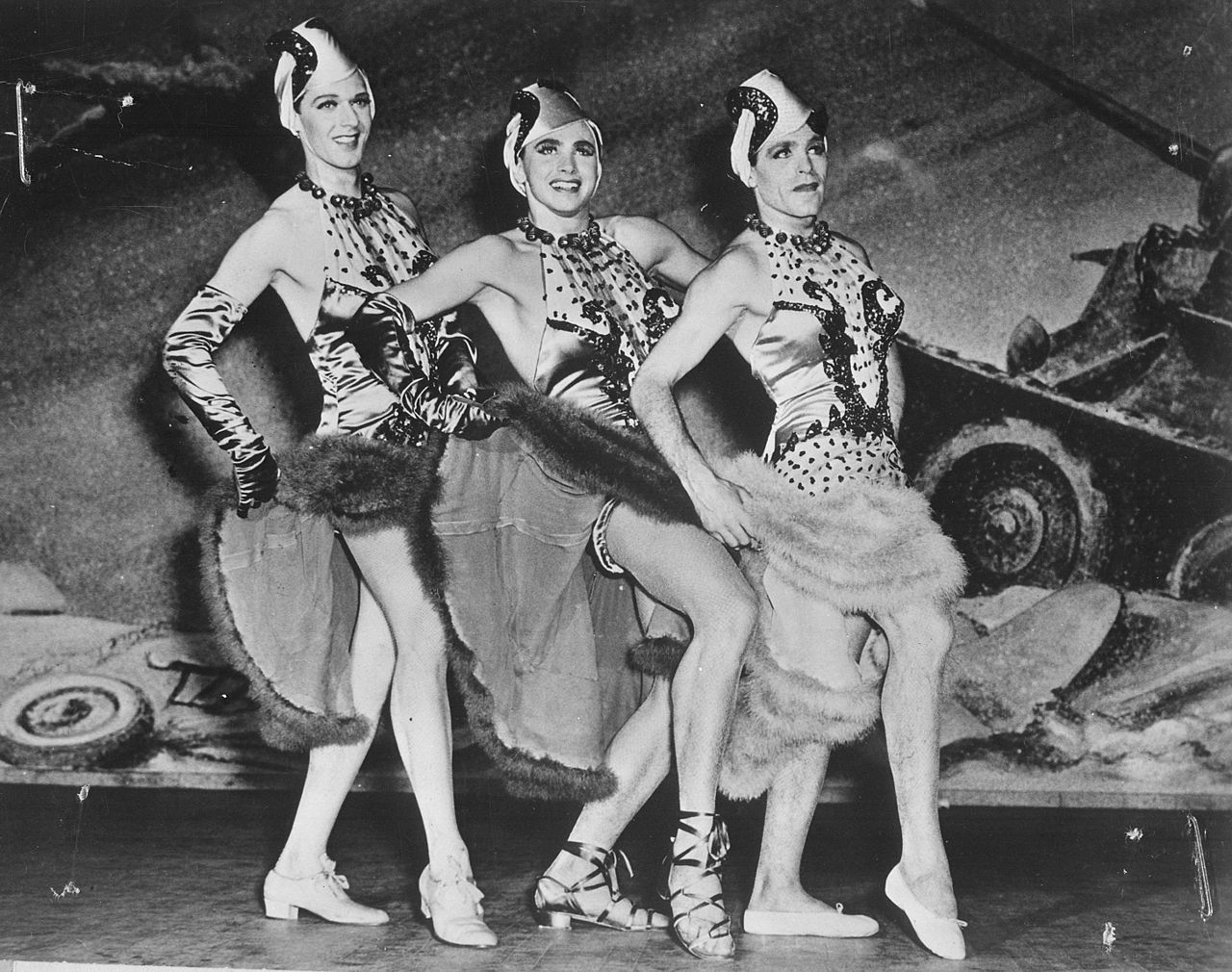
Throughout history and across regions, cross-dressing has appeared in theater, ritual, and everyday survival. Stage traditions often required men to play female parts in societies where women were barred from performing; conversely, women sometimes dressed as men for travel, work, or to participate in public life. Such practices exist in both past and present cultures and have shaped artistic styles and social norms.
Motivations and common uses
- Personal gender expression and exploration, distinct from a permanent gender transition.
- Artistic performance, including comedic roles, drag shows, and historical theater.
- Practical reasons such as disguise, safety, or access to spaces or employment.
- Political protest or social commentary, using dress to challenge norms.
Distinctions and notable facts
Cross-dressing is not synonymous with being transgender. Some people who cross-dress do so without a desire to change their legal or social gender; others may be transgender and use dress as part of transition. Performance forms like drag use stylized gender presentation for theatrical effect and community culture. For introductory context see definitions and background, and for how some individuals relate dress to identity see gender identity resources. For the role of performance and theater, consult performing arts references.
Social and legal attitudes toward cross-dressing have shifted: in some places it is widely accepted and part of mainstream culture, while in others it remains stigmatized or regulated. Contemporary discussion emphasizes respect for individual choice, careful use of language, and awareness that motivations and meanings differ between people and communities.
Related articles
Author
AlegsaOnline.com Cross-dressing: practice, history, and social meanings Leandro Alegsa
URL: https://en.alegsaonline.com/art/24324