
Lace: history, techniques, uses and notable types
Lace is an openwork textile made by hand or machine in a variety of techniques. This article explains its characteristics, major methods, historical development, uses, and care.
Overview
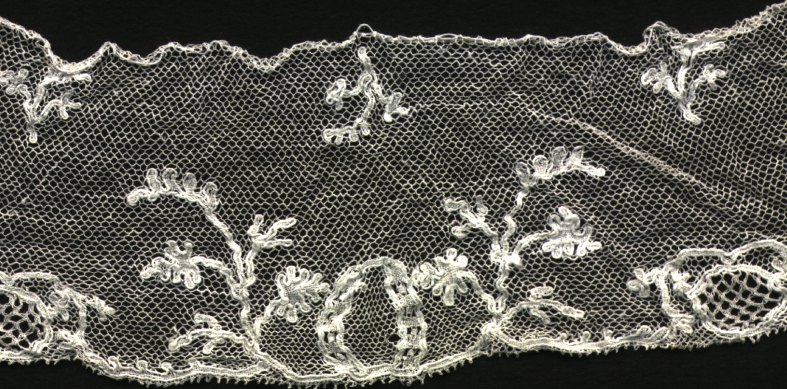
Lace is a lightweight openwork fabric defined by deliberate holes and patterns created as an integral part of the textile. It may be produced by hand or by machine; modern industrial replication is commonly called machine-made lace. Lace can be continuous (worked in a single piece) or constructed from motifs joined together, and ranges from fine, delicate nets to heavier decorative trims.
Image gallery
10 Images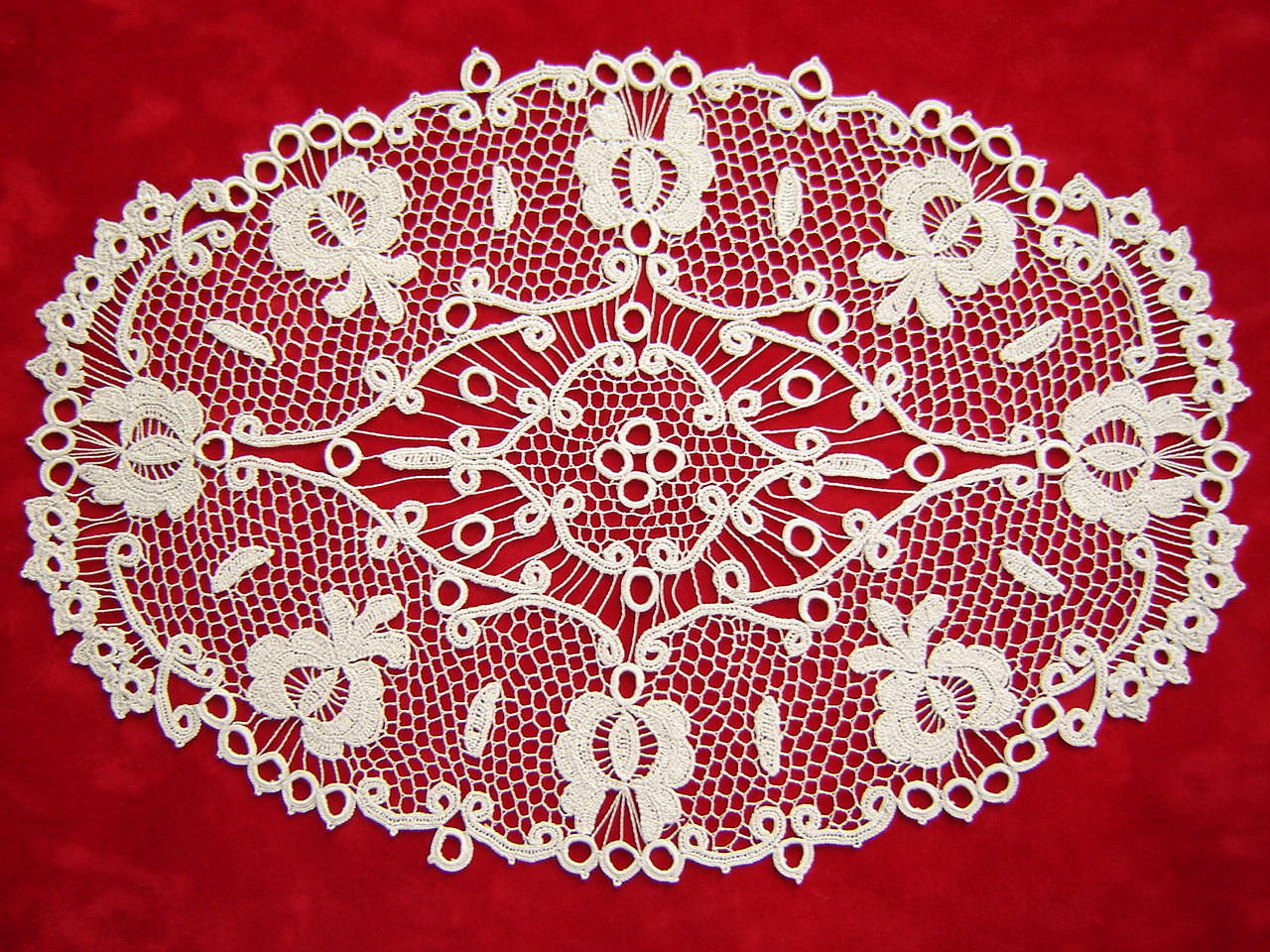




Techniques and materials
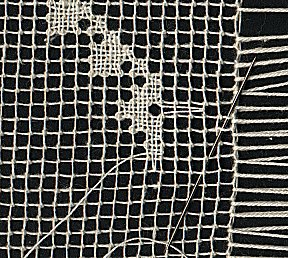
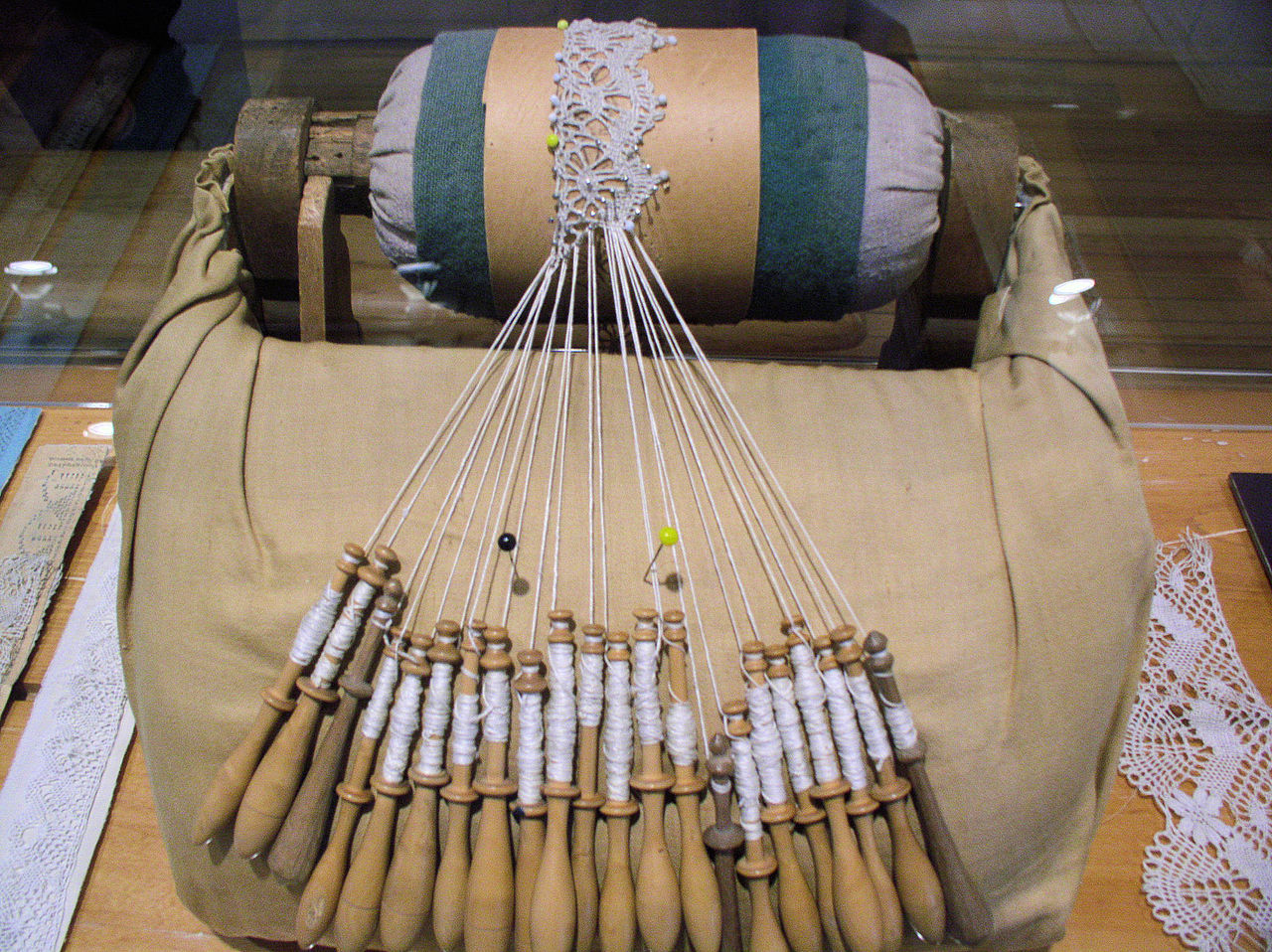
Multiple techniques produce lace, each giving a distinct character. Traditional hand methods include bobbin lace (using bobbins and a pillow), needle lace (stitching with a needle onto a temporary backing), crochet and tatting. Knitted and crocheted openwork can also be classed as lace when patterns create purposeful holes; see examples made by knitting. Some laces mimic handwork through mechanical processes related to weaving or chemical lace produced by dissolving a backing fabric.
History and development
Lace emerged as a distinct textile in Europe during the late medieval and early Renaissance periods and became highly fashionable in the 16th and 17th centuries. Centers of production included regions in Italy, Belgium and France, where skilled workshops and local styles developed. The Industrial Revolution brought machines that greatly increased output and made lace more affordable, shifting it from an elite status marker to a common embellishment.
Uses and cultural importance
Lace is widely used in clothing—collars, cuffs, eveningwear and bridal dresses—as well as in home textiles such as curtains and table linens. Because of its decorative nature, lace often signals formality or ceremonial use. Different types of lace and regional patterns have been associated with cultural identity and local craft traditions in many countries.
Types, distinctions and notable facts
- Bobbin lace: made on a pillow with bobbins and pins; known for fine geometric patterns.
- Needle lace: constructed with needle and thread, allowing highly detailed motifs.
- Chemical lace: made by attaching threads to a backing that is later removed chemically.
- Tatted, crocheted and knitted laces: usually made with a single thread and small tools.
Care and preservation
Lace requires gentle handling: hand washing in mild solution, careful drying flat, and storage away from direct sunlight to prevent weakening. Antique lace is fragile and often conserved by textile specialists. Collectors and museums document patterns and provenance to preserve both the objects and the knowledge of traditional techniques.
Related articles
Author
AlegsaOnline.com Lace: history, techniques, uses and notable types Leandro Alegsa
URL: https://en.alegsaonline.com/art/55252