
Dandy: fashion, manners, history and cultural influence
A dandy is a man who cultivates elegant dress, refined manners and self-presentation. This article outlines dandyism's meaning, origins, style traits, notable examples and its cultural legacy.
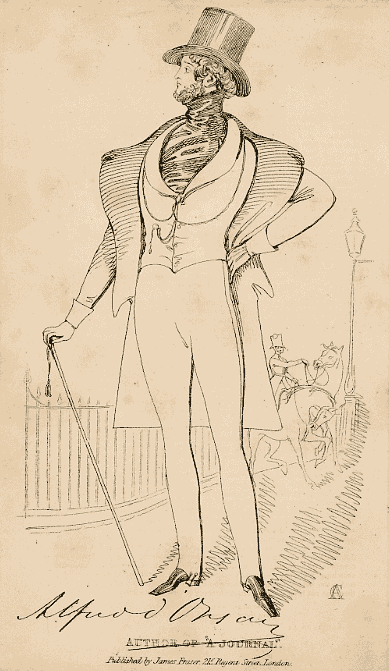
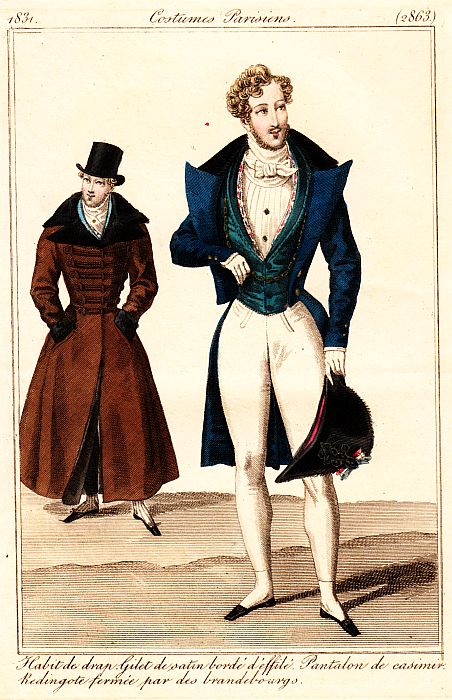
Overview: A dandy is principally a man who cultivates an elegant, highly considered personal appearance and a distinctive manner. Dandyism combines careful dress with deliberate behavior: posture, movement, speech and the public performance of refinement. The term also names the social practice and aesthetic outlook behind that performance. Etymologically the label was once a colloquial form of the name "Andrew," and it appears in late 18th-century Scottish verse where the word was used to describe stylish young men. The idea of a dandy does not require aristocratic birth; many dandies were middle-class men who used style and manners to claim social standing (aristocratic origin, Scottish sources, early verse).
Image gallery
10 Images


Characteristics and practice
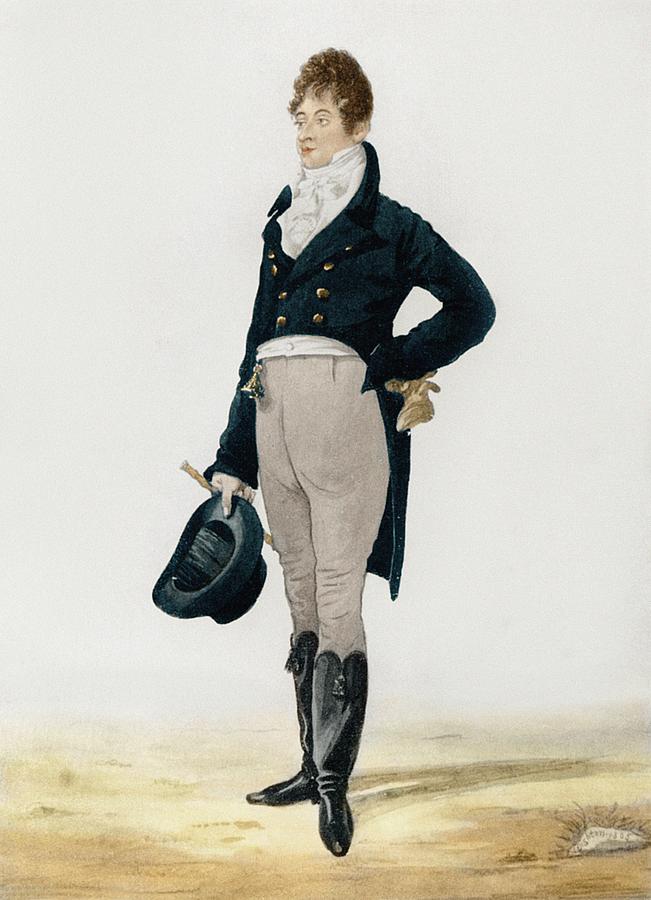
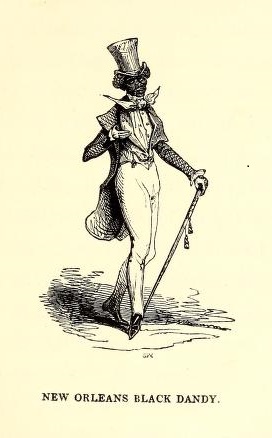
Dandyism stresses meticulous clothing—often bespoke tailoring, attention to cleanliness and an overall coherence of silhouette—paired with fastidious manners. Unlike the flamboyant fop of earlier periods, the classical dandy sought control and understatement: restraint could be itself a display of superiority. Dandyism extends beyond clothing to self-fashioning: the dandy treats life as a work of art, shaping speech, gesture and public persona to project cultivated individuality.
History and development
The modern dandy emerged in the late 18th and early 19th centuries in Britain and the United States where urban, commercial societies made style a way to signal social ambition (United States, Great Britain). The Regency period produced the most famous prototype: the archetype Beau Brummell, whose name is nearly synonymous with the early English dandy (Beau Brummell, Regency period) and whose circle included members of the royal court (Prince of Wales). Literary and artistic figures adopted or adapted dandy traits: poets and novelists used the persona to critique or dramatize modern life (Lord Byron, Oscar Wilde).
Notable examples and cultural role
- Beau Brummell — tailored simplicity and immaculate grooming.
- Lord Byron — romantic charisma and cultivated persona.
- Oscar Wilde — literary dandyism and wit as performance.
- James McNeill Whistler — an artist who emphasized appearance as an extension of art.
- Maurice Ravel — often cited for elegant public presence in later periods.
- The Scarlet Pimpernel (fictional) — an example of dandy imagery used in literature.
Beyond individuals, dandyism influenced fashion, theatre and the emerging idea of aestheticism in the 19th century. It could function as social commentary: a critique of bourgeois values, a claim to distinction, or a personal philosophy that turned everyday life into an artistic project.
Modern echoes and distinctions
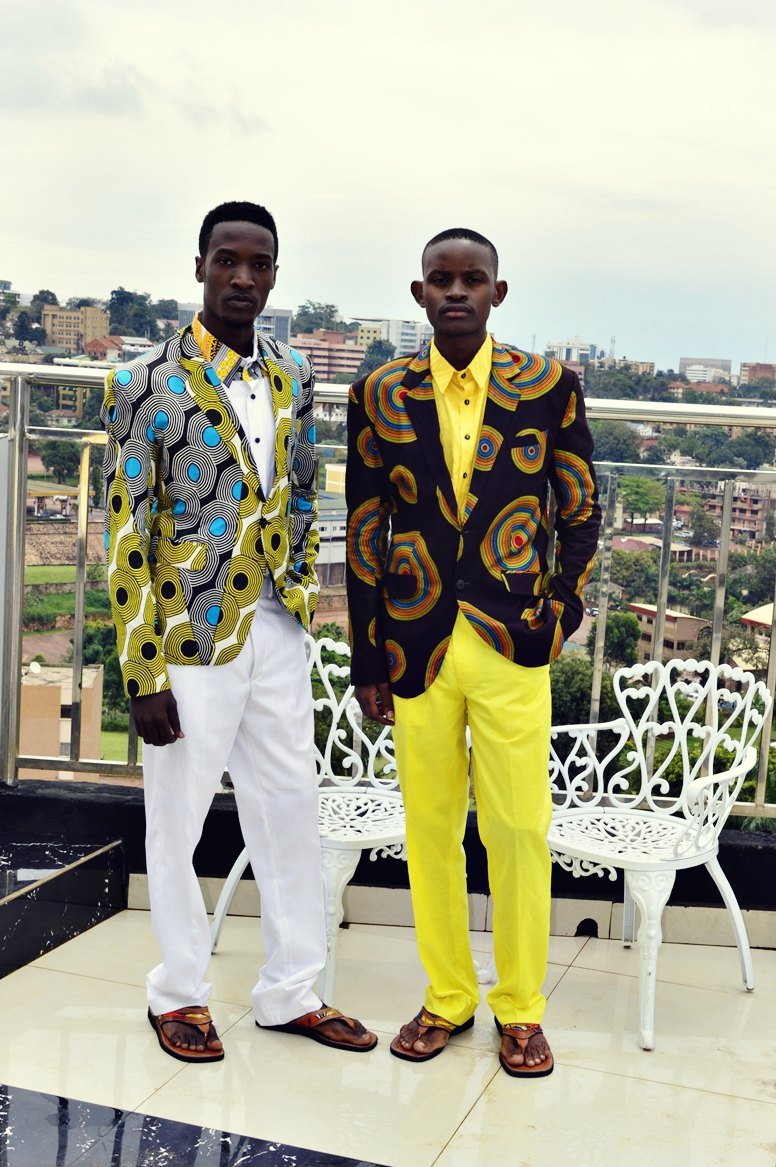
The term survives in both serious and light-hearted usage. In contemporary language "dandy" can be an ironic compliment meaning "fine" or "satisfactory," while in subcultural and fashion circles a "neo-dandy" revival emphasizes bespoke tailoring, vintage influences and conscious self-presentation. Important distinctions remain: the dandy differs from a mere dresser by making manners and persona part of an aesthetic practice, and he differs from a fop by favoring controlled elegance over ostentation.
See also: studies of social performance, the aesthetic movement, and biographies of the figures cited above (aristocratic origin, United States, Great Britain).
Questions and answers
Q: What is a dandy?
A: A dandy is a man who dresses elegantly and fashionably, but that was not necessarily of aristocratic origin. He exaggerates his manners, including the way he stands and moves, and the way he speaks. This is called dandyism.
Q: Where does the word 'Dandy' come from?
A: The word 'Dandy' was originally a version of 'Andrew'.
Q: Who were some famous 18th and 19th century Dandies?
A: Some famous 18th and 19th century Dandies were Beau Brummell from the Regency period of George IVth, Lord Byron, Oscar Wilde, James McNeill Whistler, Maurice Ravel and The Scarlet Pimpernel from literature.
Q: Is there an equivalent female term for dandy?
A: Yes, the female equivalent is a dandizette.
Q: Are all Dandies aristocrats?
A: No, not all Dandies are aristocrats; they can be men from middle-class backgrounds trying to become people from high society.
Q: How has the meaning of "dandy" changed over time?
A: In modern times in the 21st century, the word "dandy" is often used as a joke word to mean "fine" or "great".
Related articles
Author
AlegsaOnline.com Dandy: fashion, manners, history and cultural influence Leandro Alegsa
URL: https://en.alegsaonline.com/art/25353
Sources
- dictionary.oed.com : Oxford English Dictionary
- etymonline.com : "Online Etymology Dictionary"