
Dhoti — traditional South Asian men's garment
Dhoti: a rectangular cloth draped around the waist and legs, traditional across South Asia. Covers regional styles, materials, history, uses, ceremonial forms and notable variations including the Bengali koncha.
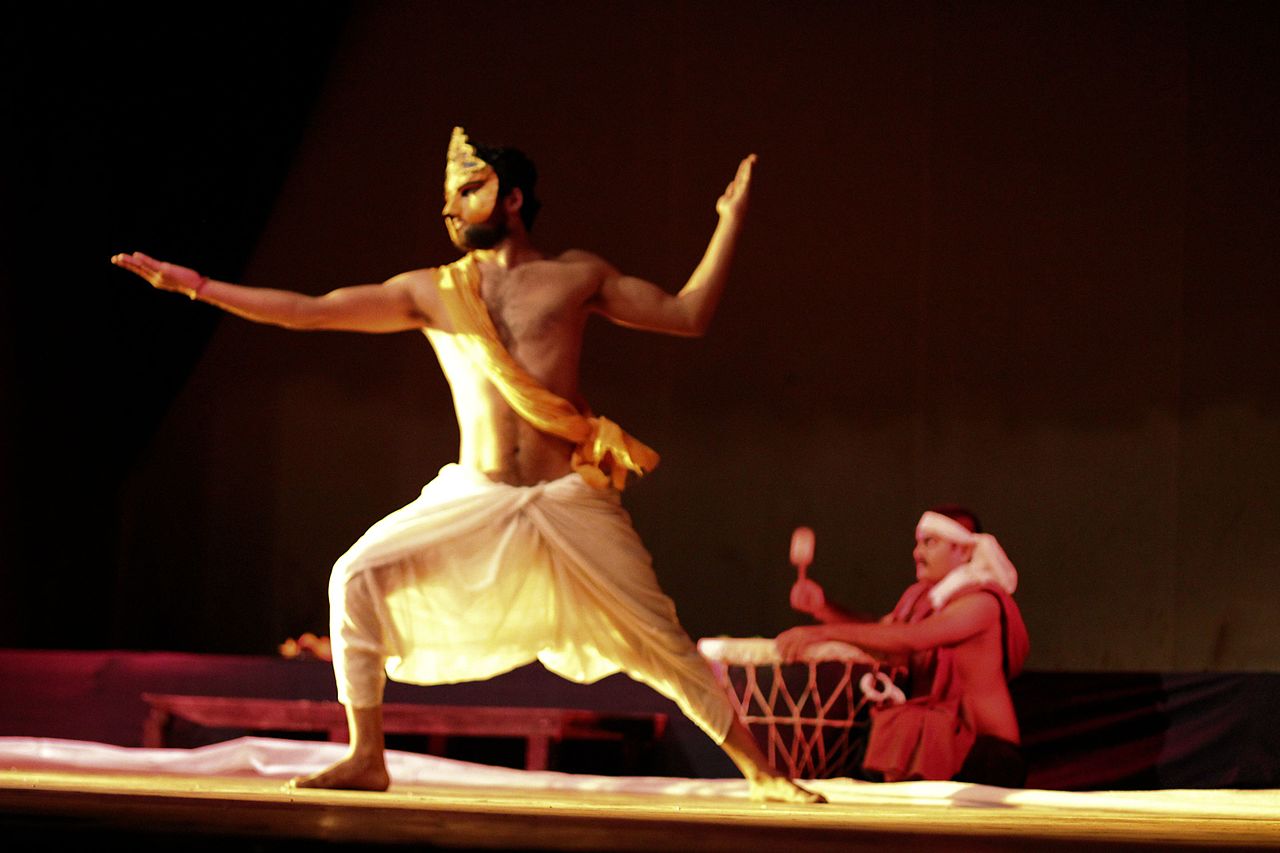
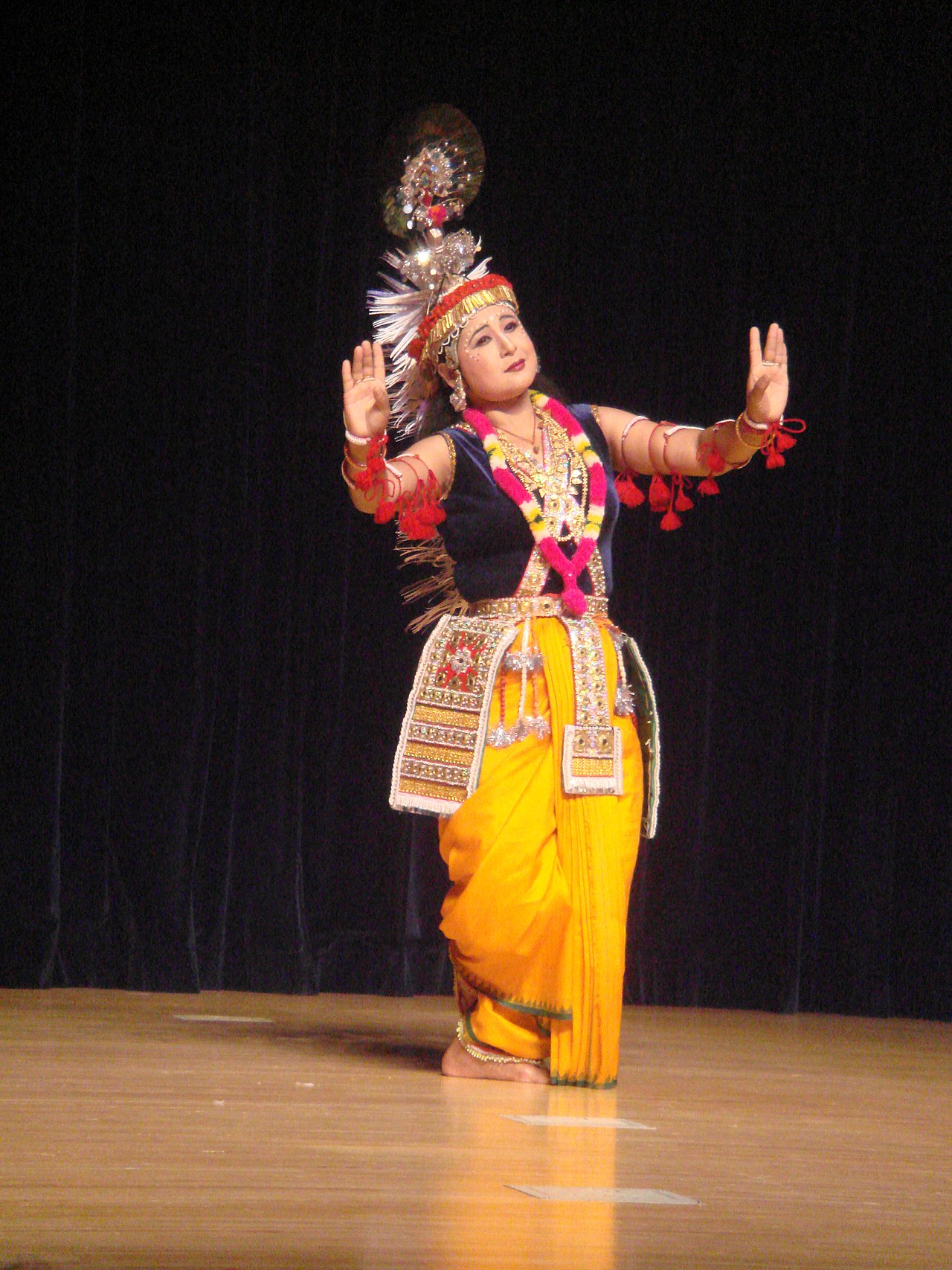
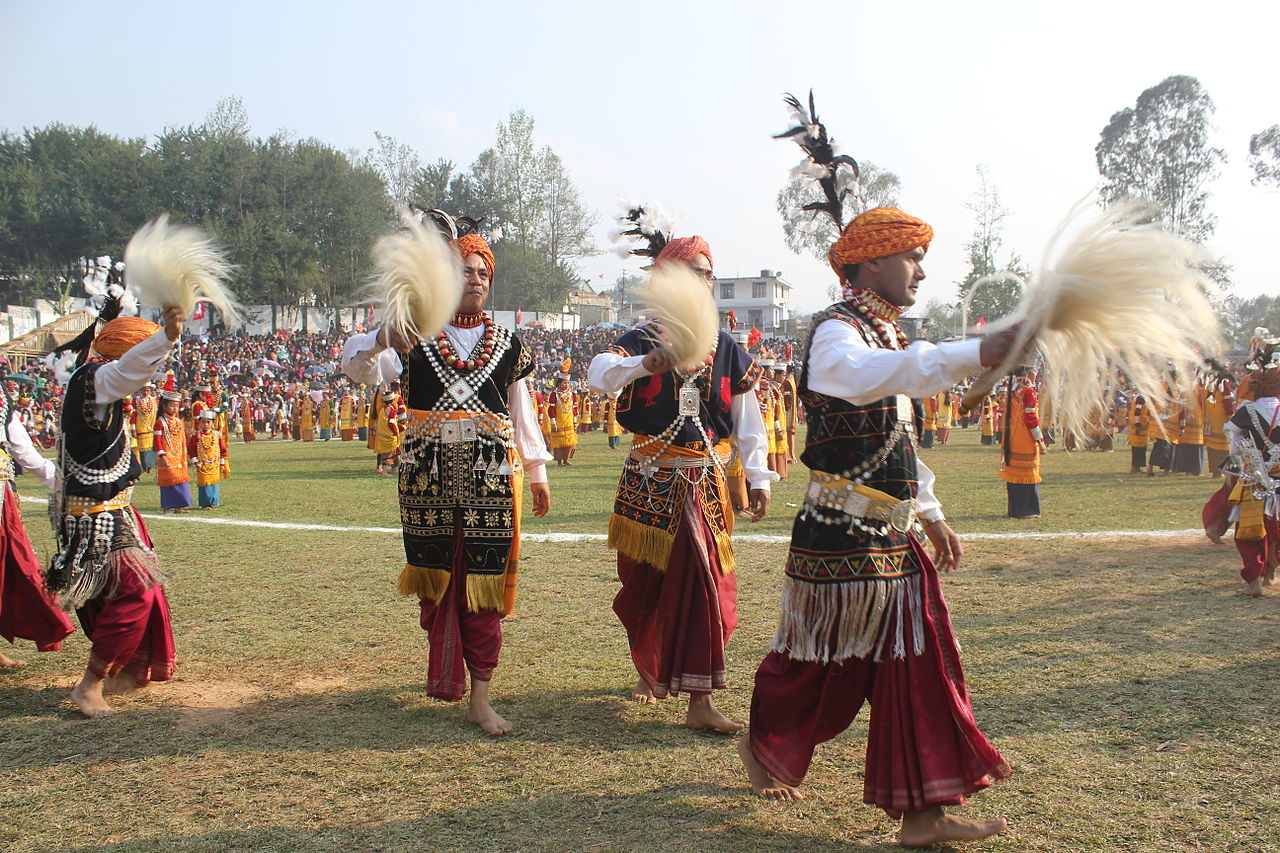
The dhoti is a long, rectangular piece of cloth worn by men in South Asia, principally in India, Bangladesh and Nepal. It is wrapped around the waist and legs and secured by tucking the fabric; the result ranges from loose, ankle-length garments to more tailored, trouser-like drapes. While simple in form, the dhoti has many regional names, fabrics and ceremonial variations and remains an important element of traditional dress.
Image gallery
10 Images





Shape, materials and common features
Typically a white or cream rectangle of cotton or silk, a dhoti is usually between 2.5 and 5 metres long. Plain cotton dhotis are everyday wear in hot climates; finer silk or brocaded dhotis are used for festivals and weddings. Ceremonial pieces often carry a colored or metallic border (zari) and may be paired with an upper garment such as a kurta or angavastram.
History and cultural role
The dhoti has deep roots in South Asian culture and appears in historical art and literature as a common male garment. Over centuries it has been worn across social classes: working people generally chose simpler cotton versions while wealthier individuals selected finer textiles or decorative borders. In the 20th century the garment also took on political and symbolic meanings when leaders embraced its simplicity.
Regional draping styles
- The Bengali koncha style folds and tucks the fabric to form a distinctive front pleat; this variation is associated with parts of West Bengal and Bengal cultural dress (West Bengal koncha style).
- South Indian variants are called veshti or mundu; these are often worn with a folded upper cloth and may be secured differently for daily work or temple rituals.
- Other regional forms include more pant-like drapes or shorter versions worn for physical labor, and related garments such as the lungi, which is usually sewn or tied differently.
Uses, occasions and modern presence
Dhoti wearing today ranges from everyday rural use to formal and religious occasions in urban contexts. It is commonly chosen for weddings, temple ceremonies, rites of passage and national or cultural events. Contemporary fashion has also adapted the dhoti into fusion styles, pairing it with modern shirts or tailoring techniques to suit changing tastes.
Although less ubiquitous in daily urban dress than in earlier eras, the dhoti remains a widely recognized symbol of traditional male attire in South Asia, valued for its comfort in warm climates and its cultural associations. Distinctions in fabric, border and draping convey regional identity, social context and the formality of the occasion.
Related articles
Author
AlegsaOnline.com Dhoti — traditional South Asian men's garment Leandro Alegsa
URL: https://en.alegsaonline.com/art/27060