
Dashiki: West African pullover — styles, history and cultural significance
A dashiki is a loose, colorful West African pullover top with an ornate neckline. Worn in daily life, ceremonies and diasporic movements, it has varied regional forms and modern fashion adaptations.
Overview
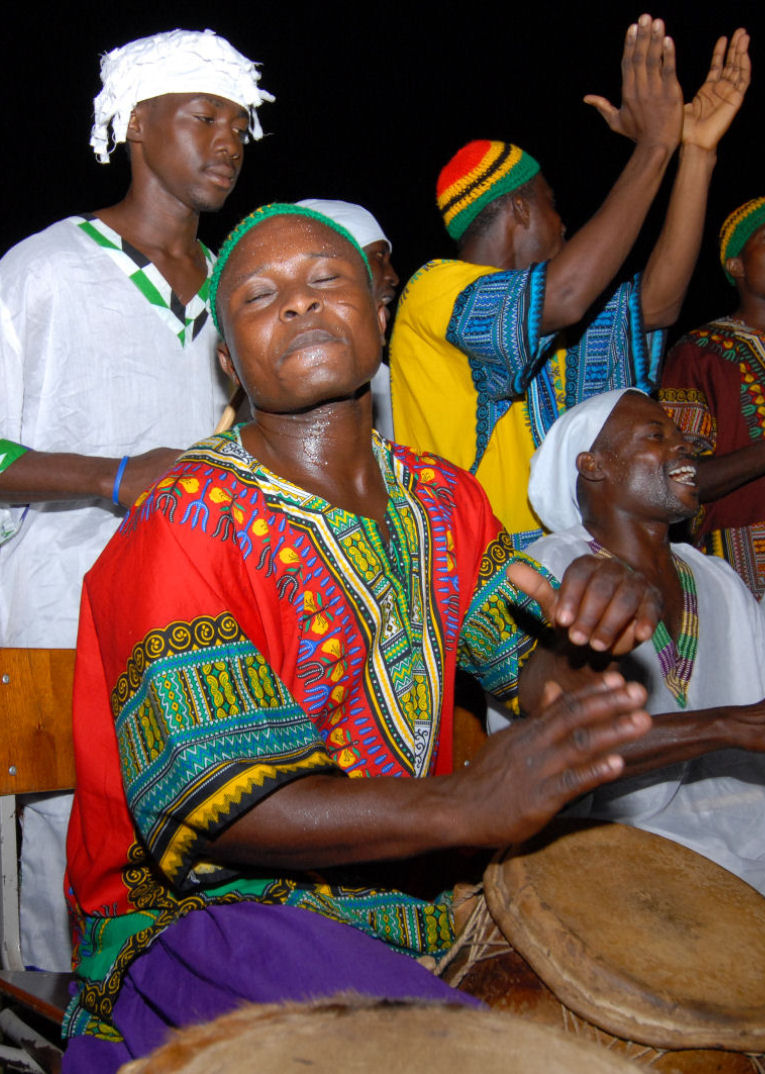
The dashiki is a loose, often brightly patterned pullover garment that covers the torso. Characteristic features include a wide cut, a V-shaped or rounded neckline frequently decorated with embroidery or printed motifs, and sleeves that may be short, three-quarter or long. Though many contemporary dashikis use machine-printed wax, batik, or other industrial fabrics, traditional examples can be hand-sewn and hand-embroidered, reflecting local tailoring traditions.
Image gallery
3 Images

Characteristics and construction
Typical construction is simple: a rectangular or slightly shaped body with a central opening for the head and decorative panels around the neck and chest. Fabrics commonly used include cotton and cotton blends; silk and synthetic materials are also seen for dressier variants. Decoration often imitates or incorporates regional textile patterns, such as geometric motifs and bold color contrasts.
Fabrics, patterns and regional names
Patterns associated with dashikis may draw on West African wax-print designs or on woven and embroidered traditions from specific ethnic groups. The garment is known by different local names and appears in varied forms across West Africa. In some areas, longer robe-like versions merge into garments such as the boubou or kaftan, while the shorter pullover form remains distinct.
History and cultural development
Originating in West Africa, the dashiki developed from long-standing tailoring and decorative practices. It became widely recognized across the region and, through migration and trade, among African diasporic communities. In the United States and elsewhere, the dashiki gained prominence in the 1960s and 1970s as part of movements emphasizing Black pride and cultural connection to Africa; activists, students, musicians, and artists adopted it as a visible symbol of heritage.
Uses, occasions and contemporary fashion
Dashikis serve many roles: everyday casual wear, festive clothing for weddings and religious ceremonies, and formal dress when made from finer fabrics and detailed embroidery. Contemporary fashion designers have adapted dashiki motifs into a range of clothing and accessories, and the garment appears in streetwear, academic robes, and stage costumes. It is worn by people of all genders and ages.
Variations, related garments and cultural notes
- Variations: hip-length tunics, longer robe-like forms, fitted or oversized cuts.
- Related garments: the boubou and kaftan are fuller robes with separate construction and silhouette.
- Cultural considerations: use of the dashiki outside its cultural context has sparked discussion about appreciation versus appropriation, especially when commercialized without acknowledgement of origin or community benefit.
Care, production and sustainability
Care depends on fabric: cotton dashikis are often washable, while silk or heavily embroidered versions require gentler handling. Production ranges from home tailoring and small workshops to larger textile manufacturers. Interest in ethically made and sustainably produced garments has grown, with consumers and makers increasingly attentive to materials, labor conditions, and cultural recognition.
Further reading and resources
- Overview of dashiki styles and construction
- Dashiki and its place in West African clothing traditions
- Textile patterns and printing techniques related to dashikis
- The dashiki in 1960s and 1970s social movements
- Diasporic use and symbolism of the dashiki
- Contemporary designers and reinterpretations
- Regional origins, names and variations across West Africa
- Embroidery, embellishment and decorative techniques
The dashiki remains a living garment: adaptable, regionally varied and meaningful in multiple contexts. Its simple pattern combined with striking surface decoration has allowed it to persist as both practical clothing and a portable symbol of identity, connection and style.
Questions and answers
Q: What is a Dashiki?
A: A Dashiki is a brightly colored, loose-fitting garment associated with African culture, often covering the top half of the body.
Q: What is the origin of Dashiki?
A: Dashiki originated in West Africa.
Q: What is the most popular style of Dashiki?
A: The most popular style of Dashiki is a loose-fitting pullover garment with an ornate V-shaped collar.
Q: What are some features of a Dashiki?
A: A Dashiki often has embroidered neck and sleeve lines, and comes in both casual and formal versions.
Q: What is the association of Dashiki with the counterculture of the 1960s in the United States?
A: Dashiki became associated with the counterculture of the 1960s in the US.
Q: Can Dashiki be worn as formal attire?
A: Yes, there are formal versions of Dashiki that can be worn to formal occasions.
Q: Where is Dashiki commonly worn?
A: Dashiki is commonly worn in Africa, as well as in other parts of the world with African diaspora communities.
Related articles
Author
AlegsaOnline.com Dashiki: West African pullover — styles, history and cultural significance Leandro Alegsa
URL: https://en.alegsaonline.com/art/25612
Sources
- doloresmonet.hubpages.com : "Dashiki - An African Fashion of the 1960's"
- doloresmonet.hubpages.com : "Kaftan or Caftan - A Fashion History of Modesty and Glamor"