
Counterfeit: imitation goods, currency, and legal risks
Counterfeit describes unauthorized imitations of products, currency and medicines. It causes economic, safety and legal harms and is addressed by enforcement, brand protection and anti-counterfeit technology.
Overview
Counterfeit refers to the unauthorized manufacture, possession or sale of goods or items presented as genuine when they are not. The word applies to products that intentionally imitate a protected trademark, official document or regulated item with the aim of deceiving buyers, avoiding authentication checks or unlawfully profiting from another party's reputation. Counterfeiting ranges from sophisticated reproductions that are hard to detect to crude imitations that are obviously inferior.
Image gallery
6 Images



Common types and characteristics
Many different items are commonly counterfeited. Typical examples include luxury apparel and footwear (clothing), fashion accessories such as designer bags, pharmaceuticals and health products (medicines), circulating currency and banknotes (money), watches and jewellery. Counterfeit items often copy distinctive logos, labels, packaging and serial numbers. They may be produced with inferior materials, lack required safety approvals, or be distributed through unofficial channels such as informal markets, unauthorized online sellers or social media.
Harms and risks
Counterfeiting has several adverse effects. Consumers can suffer financial loss and safety risks: counterfeit medicines may be ineffective or harmful, and fake electronic goods can present fire or injury hazards. Rights holders lose revenue, and their brands may be damaged if poor-quality counterfeits undermine consumer trust. Governments lose tax and customs revenue, and the counterfeit trade can be linked to broader illicit networks that exploit the activity to launder money or finance other crimes.
History and scale
Counterfeiting is not new: forgery of coins and the imitation of valued objects have existed for centuries. Industrialization, mass-manufacturing and global trade increased the scale and reach of counterfeit production, while the internet and cross-border marketplaces have made distribution faster and harder to police. As production techniques and packaging quality have improved, detection can be more challenging for consumers and authorities alike.
Legal frameworks and enforcement
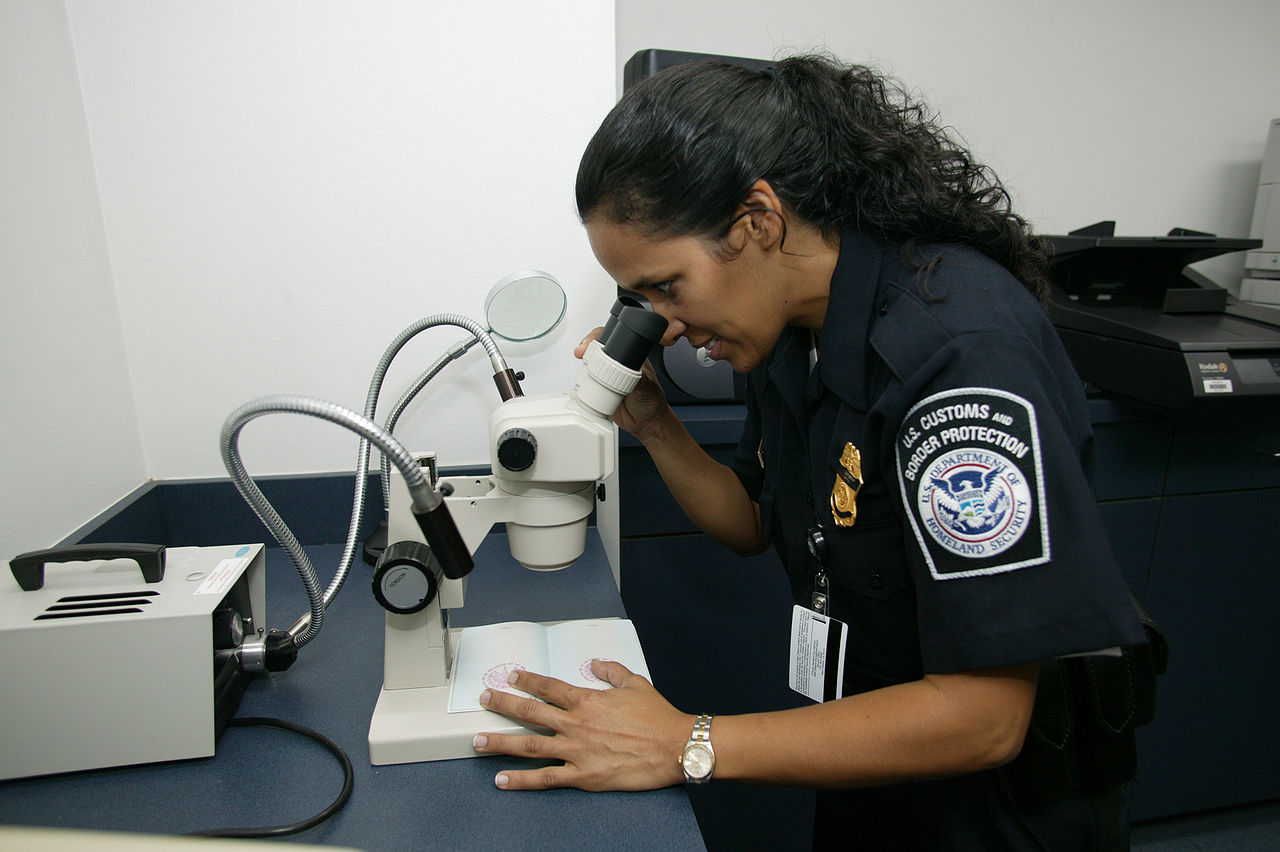
Laws addressing counterfeiting typically involve trademark and copyright protections, consumer safety regulations and criminal provisions for fraud. Enforcement may be undertaken by customs agencies, policing units and specialized investigators. For example, some jurisdictions maintain agencies or units focused on currency-related fraud; in the United States certain monetary counterfeiting and related offences are investigated by the US Secret Service. Remedies for rights holders include civil actions, seizures and collaboration with online platforms to remove listings.
Detection, authentication and technology
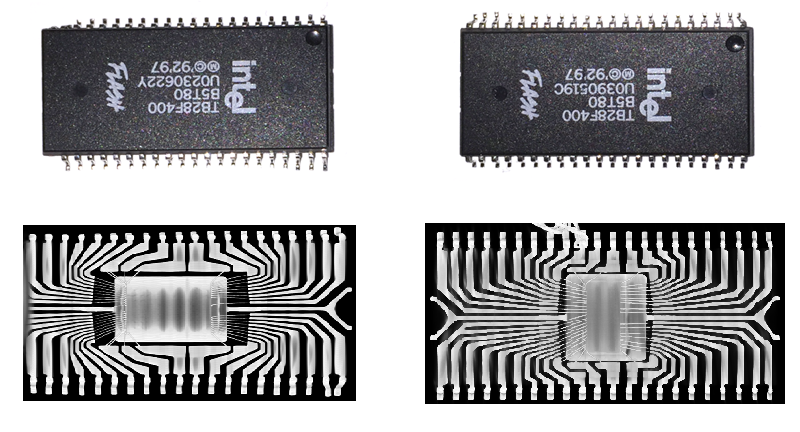
Manufacturers and regulators use a range of techniques to detect and deter counterfeits. Physical measures include holograms, watermarks, tamper-evident seals and serialized barcodes. Radio-frequency identification (RFID) and secure labels help track provenance. Digital approaches use supply-chain tracking, forensic analysis and emerging technologies such as blockchain-based provenance systems. Authorities also employ chemical and laboratory tests to verify the composition of medicines, fuels or other regulated goods.
Industry responses and international cooperation
Brands invest in anti-counterfeit programs, authentication services and consumer education. Marketplaces and payment providers collaborate with rights holders to block infringing listings and freeze transactions. Because counterfeit production and distribution often cross borders, international cooperation is important: customs cooperation, information-sharing and joint investigations are common tools in tackling transnational counterfeiting networks.
Consumer guidance
- Buy from authorized retailers or directly from manufacturers when possible.
- Compare prices and be wary of deals that appear too good to be true; extremely low prices can indicate fakes.
- Inspect packaging, labels and authentication features; consult manufacturer verification services if available.
- Avoid unknown sellers on social platforms and report suspicious listings to the platform and to local authorities.
- For medicines and health products, use licensed pharmacies and follow regulatory guidance on safe sourcing (medicinal safety).
Further reading and resources
Specialist resources can provide guidance on particular categories of counterfeit goods: consumer and trade authorities publish advice on trade and sales controls, apparel industry groups issue alerts on clothing, accessory notices cover bags and related items, safety agencies produce information on medicines, central banks and monetary authorities publish material on counterfeit currency, and industry standards help with jewellery authentication. For law enforcement and investigation resources see materials from investigative agencies such as the US Secret Service.
Related articles
Author
AlegsaOnline.com Counterfeit: imitation goods, currency, and legal risks Leandro Alegsa
URL: https://en.alegsaonline.com/art/23481
Sources
- collectionscanada.gc.ca : "Detecting the Truth; Fakes, Forgeries, and Trickery"