
County Seat War: Contest for Local Power and Prosperity in American History
A county seat war was a contest, often in the 19th‑century United States, over which town would host county government — a struggle with political, economic and sometimes violent tactics.
Overview
A county seat war refers to a local political struggle over which town will be designated the county seat — the place that houses the courthouse, administrative offices and tax collection. Most prominent in the nineteenth‑century American frontier, particularly during rapid settlement in the Old West, the phenomenon also occurred in older regions of the country such as parts of Ohio. The designation brought prestige, steady business, and direct control over the county's legal and fiscal life, so towns often competed fiercely to secure it.
Image gallery
2 Images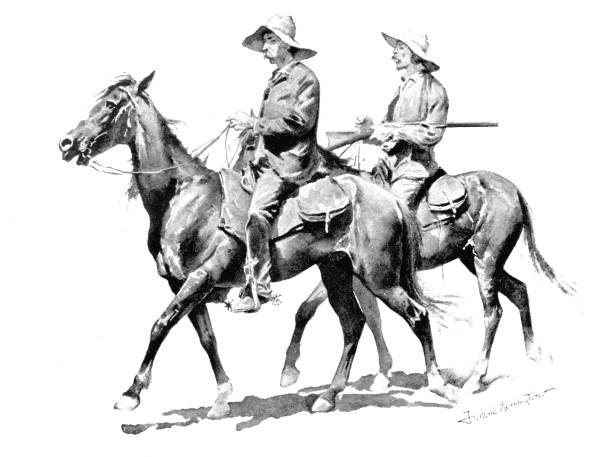

Why towns fought
Becoming the county seat translated into concrete advantages: lawyers and clerks doing business at the courthouse, regular traffic from jurors, witnesses and officials, and the steady flow of county payments. The location also influenced transportation and commercial patterns: a county seat was more likely to attract roads, stage routes and later rail connections. For many emerging towns the seat could mean survival; the loser might decline into obscurity.
Tactics and incidents
Contests ranged from orderly elections to outright lawlessness. Common tactics included organizing large voter turnouts, persuading or bribing electors, and filing legal challenges to election results. In more extreme cases violence, intimidation, and fraud were reported, along with efforts to remove or conceal county records. Typical strategies used by competing factions included:
- Holding special county‑seat elections and mobilizing supporters.
- Bringing in temporary or informal voters from nearby settlements.
- Ballot‑box stuffing, threats against opposing voters, or physical confrontations.
- Seizing, hiding, or relocating courthouse records to assert control.
Many disputes ended at the ballot box; others required state intervention or court decisions. The drama and occasional violence of these struggles earned them the label "county seat wars," though the events varied widely in scale and intensity.
Aftermath and legacy
Over time, state laws and election regulations reduced the most blatant abuses, but the outcomes of seat contests left long‑lasting marks on local geography, economy and memory. Some former contenders faded into ghost towns while successful seats became regional hubs. Surviving courthouses, plaques and local histories still reflect these episodes. For further general background see additional resources.
Related articles
Author
AlegsaOnline.com County Seat War: Contest for Local Power and Prosperity in American History Leandro Alegsa
URL: https://en.alegsaonline.com/art/23542
Sources
- kancoll.org : "County Seat Controversies in Southwestern Kansas"
- kancoll.org : The Kansas Collection