
Coptic Orthodox Church of Alexandria
The Coptic Orthodox Church of Alexandria is the principal Oriental Orthodox church in Egypt. It traces its origins to Saint Mark and is known for its ancient liturgy, distinctive theology, and global diaspora.
Overview
The Coptic Orthodox Church of Alexandria is the largest Christian body native to Egypt and a leading member of the Oriental Orthodox family. Its traditional name in the Coptic language reflects its claim to apostolic foundation in the city of Alexandria. The church is organized around the Patriarchate of Alexandria and preserves a continuous liturgical and spiritual tradition that developed in late antiquity and the early medieval period.
Image gallery
10 Images



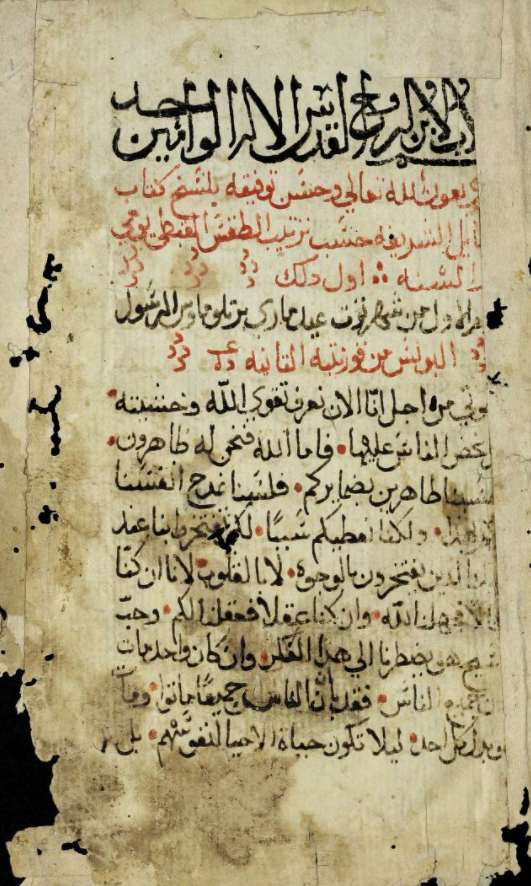
Organization and leadership
The head of the church bears the title Pope of Alexandria and Patriarch of the See of Saint Mark, reflecting the ancient belief that the community was established by Saint Mark. The pope is assisted by a synod of bishops and a network of dioceses both within Egypt and across the global Coptic diaspora. In modern times the church's leadership passed from Pope Shenouda III, who served for several decades in the 20th and early 21st centuries, to his successor, who continues to guide the church's pastoral and administrative life.
Theology and the Chalcedonian split
Doctrinally the Coptic Church is part of the Oriental Orthodox communion, a group of churches that separated from those of the Roman and Byzantine worlds after the fourth and fifth centuries. The division is commonly dated to the decisions of the Council of Chalcedon in 451 AD, where competing Christological formulations led to lasting disagreement. The Coptic tradition emphasizes the unity of Christ's person in a way described historically as miaphysite; its theologians prefer careful distinctions in language and reject characterizations that oversimplify early controversies.
Worship, language and practice
Worship in the Coptic Church centers on the Eucharist and follows a liturgical cycle that preserves ancient rites, hymns, and prayers. Services are celebrated in the Coptic language alongside Arabic in many communities, and they make extensive use of chant, iconography, and ritual actions. Monasticism has been especially influential: Egypt's desert fathers and early monastic communities helped shape Christian spirituality across the Mediterranean and beyond.
History and relations
The Coptic community grew in the Hellenistic and Roman periods and later became a majority Christian population in Egypt for many centuries. Over time the church developed its own theological schools, monastic centers, and artistic forms. It has maintained close historical ties with churches in Ethiopia and Eritrea, both of which emerged from the Alexandrian tradition and in the modern era have become autocephalous national churches with their own heads.
Demographics and social role
Members of the church, commonly referred to as Copts, form the largest Christian community in Egypt and have a significant presence in the country's cultural and social life. Estimates of their proportion of the Egyptian population vary by source; the community includes urban and rural congregations, active monastic centers, and an expanding expatriate population in Europe, North America, Australia and elsewhere. The church operates schools, hospitals, charities and religious institutions that serve both members and broader society.
Distinctive features and contemporary importance
- Apostolic claim: The tradition that the church was founded by Saint Mark anchors its historical identity.
- Liturgical heritage: Ancient Coptic liturgies, fasts and calendar practices distinguish its worship.
- Monastic influence: Egyptian monasticism was formative for Christian asceticism worldwide.
- Ecumenical presence: The church engages in dialogue with other Christian communions while preserving its theological language.
The Coptic Orthodox Church remains a vital religious institution with deep historical roots and a widespread contemporary presence. Its traditions, pastoral structures and global communities continue to adapt while maintaining continuity with a heritage that extends back to the first centuries of Christianity.
For language, official names and additional context see the traditional literal designation in Coptic, the commonly used Coptic and Arabic forms, and external reference material on its history and demographics at representative sources and studies covering Egypt.
Further reading and institutional resources include materials from the patriarchate and affiliated churches; connections with daughter churches in Ethiopia and Eritrea illustrate the broader influence of the Alexandrian tradition.
Historical summaries, community records and modern analysis often cite early foundations and notable leaders as part of the living story of the Coptic Orthodox community—its saints, teachers and faithful across the ages provide continuity for contemporary practice and identity.
Related articles
Author
AlegsaOnline.com Coptic Orthodox Church of Alexandria Leandro Alegsa
URL: https://en.alegsaonline.com/art/22987
Sources
- copticchurch.net : copticchurch.net/