
Copt: Egyptian Christians, history, language and traditions
Copts are the native Christians of Egypt whose religious, linguistic and cultural identity stems from ancient Egyptian Christianity and the Coptic language and calendar.
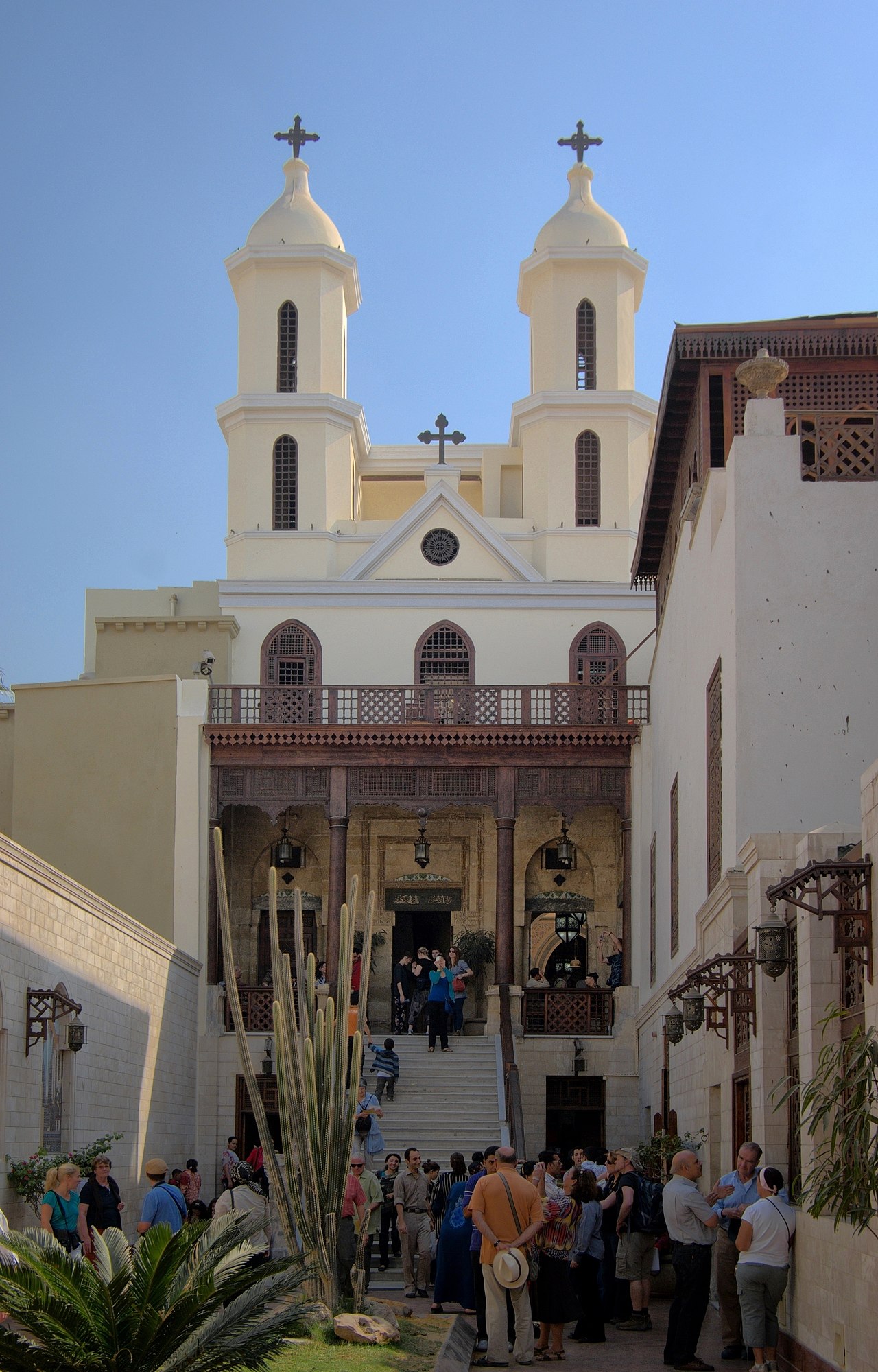
The term Copt generally denotes the indigenous Egyptian community that practices Christian faith traditions rooted in Alexandria. Coptic identity combines religious affiliation, a distinct liturgical language and particular cultural customs. Today members belong to several communions, most prominently the Coptic Orthodox Church of Alexandria and smaller groups such as the Coptic Catholic Church and various Protestant congregations.
Image gallery
10 Images




Origins and historical development
Christianity arrived in Egypt during the first centuries CE and Alexandria became an early theological and pastoral center. Tradition credits Mark the Evangelist with founding the church in Alexandria. Over centuries the Egyptian church developed its own liturgy, monastic movement and theological positions; a major turning point was the post-Chalcedon period, when differences of Christological interpretation led to the distinct Oriental Orthodox identity of the Coptic Orthodox communion.
Language, calendar and worship
The Coptic language is the final stage of the ancient Egyptian language and survives today primarily as the church's liturgical tongue. The community also uses the traditional Coptic calendar for liturgical feasts and agricultural timing. Worship emphasizes sacraments such as Baptism, an ancient liturgical tradition, and a rich repertoire of hymns, icons and monastic practices.
Practices and cultural traits
Many cultural practices among Copts reflect both Christian theology and local Egyptian customs. Some families observe rites of passage shaped by local tradition; for example, male circumcision has been practiced in parts of Egyptian society for cultural or medical reasons rather than as a universal doctrinal requirement of Christianity. Monasticism, pilgrimage to monasteries and veneration of saints are prominent features.
Institutions, arts and community life
Coptic communities maintain parishes, monasteries, schools and charitable institutions. Coptic art is noted for its icons, textiles and manuscript tradition; music and liturgical chanting are also distinguishing elements. Saints and martyrs, including the early evangelists and local holy figures, play an important role in popular piety and communal memory.
Modern distribution and distinctions
Most Copts live in Egypt, with significant diasporas in the Americas, Europe, Australia and elsewhere. The Coptic Orthodox Church is the largest body, while the Coptic Catholic Church represents Copts in communion with the Roman Catholic Church. Relations among these groups reflect shared heritage alongside differences in theology, liturgical language and ecclesiastical organization.
Further reading and resources
- Overview of Egyptian Christianity: Egypt and its Christian communities
- Beliefs and sacraments: Christian doctrine and Baptism
- Church bodies and history: Coptic Orthodox Church of Alexandria, Coptic Catholic Church
- Language and calendar: Coptic language, Coptic calendar
- Cultural topics: male circumcision, Mark the Evangelist
Related articles
Author
AlegsaOnline.com Copt: Egyptian Christians, history, language and traditions Leandro Alegsa
URL: https://en.alegsaonline.com/art/22984