
Counter-Reformation: Catholic Reform and Response to Protestantism
The Counter-Reformation was the Catholic Church’s 16th–17th century program of doctrinal clarification, institutional reform, missionary expansion and spiritual renewal in response to the Protestant Reformation.
The Counter-Reformation refers to the movement inside the Roman Catholic Church that developed in response to the Protestant Reformation and its critiques. It combined doctrinal defense, institutional renewal, missionary activity and pastoral change. While often called the Counter-Reformation, historians also use the term "Catholic Reformation" to emphasize internal renewal rather than only opposition. Its aims were to clarify Catholic teaching, correct abuses, strengthen church structures, promote new forms of spiritual life and contest Protestant gains across Europe and overseas.
Image gallery
10 Images


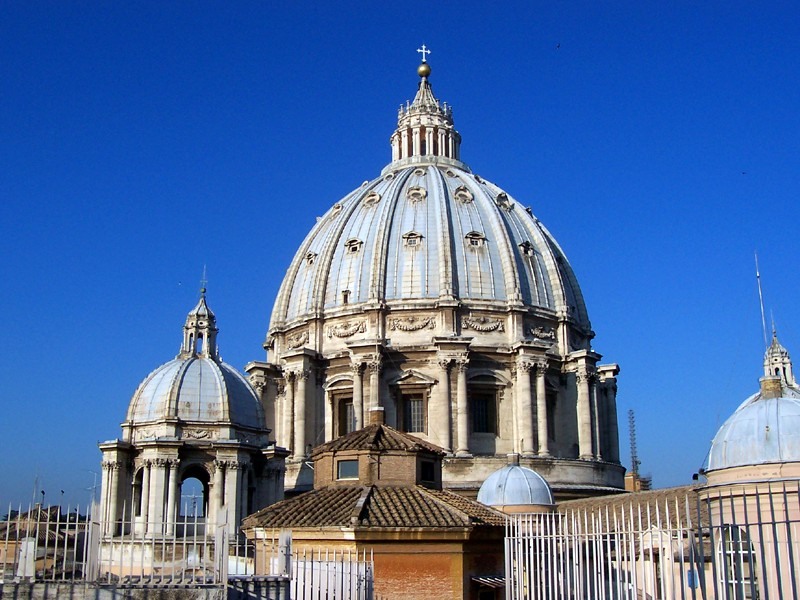
Main areas of action
- Doctrine: reaffirmation and clarification of core beliefs;
- Ecclesiastical or structural reform: changes in governance, education and discipline of clergy;
- Religious orders: founding and reform of congregations for education and missions;
- Spiritual movements and pastoral renewal to deepen devotion and instruction;
- Political dimensions: alliances with Catholic rulers and institutional responses to heresy.
Doctrinally, the Church responded to Protestant challenges by restating and explaining traditional teaching. Councils and synods, most notably the Council of Trent, addressed questions about scripture and tradition, the role and number of the sacraments, and the nature of the Eucharist. The Counter-Reformation reaffirmed the seven sacraments as central to Catholic life, while Protestant reformers typically limited sacramental practice to fewer rites such as Baptism and the Eucharist. Debates over the presence of Christ in the sacrament—commonly described by Catholics as transubstantiation—were a focal point of dispute with reformers. Contemporary Protestant leaders, including Martin Luther, developed nuanced positions: Luther’s own statements emphasized the necessity of faith for the saving effect of sacraments and argued that without faith neither Baptism nor the Eucharist alone guarantees salvation.
On institutional matters the movement sought to correct clear abuses and to professionalize the clergy. Measures reduced the sale of spiritual offices and other corrupt practices such as simony, promoted the residence of bishops in their dioceses, and encouraged formation through seminaries and better pastoral supervision. The practice of confession evolved toward private sacramental penance and pastoral guidance rather than merely public penances, and the Church took steps to regulate the indulgence system after abuses that had provoked Protestant criticism. For enforcement and doctrinal policing the papacy strengthened institutions such as the Congregation of the Holy Office of the Inquisition (Holy Office), which played a controversial role in identifying and suppressing perceived heresy.
Religious orders became engines of renewal. New foundations and reformed houses—most famously the Society of Jesus—focused on education, preaching and overseas missions. Jesuit colleges and missionary networks helped revive Catholic life in Europe and spread Catholicism to parts of the Americas, Asia and Africa. The Counter-Reformation also inspired devotional renewal in older orders and laity, producing new spiritual literature, congregational life and charitable institutions.
Politically and culturally the Counter-Reformation shaped the map of Europe during the sixteenth and seventeenth centuries. Catholic rulers and leagues allied with the papacy to defend confessional interests, while conflicts between confessional blocs contributed to major wars and diplomatic realignments. The movement’s cultural expression included investment in art, music and architecture intended to teach faith and inspire devotion—factors that contributed to the development of the Baroque style. While it aimed to resist Protestant expansion, the Counter-Reformation also healed evident faults within the Church and produced a revitalized, more disciplined Catholicism that continued to evolve in later centuries.
For further entry points on these themes, see doctrinal summaries and institutional histories that discuss the Council of Trent, reforms in religious orders, missionary activity and the political consequences of confessionalization. Readers can explore primary topics such as the sacraments, the theological disputes surrounding transubstantiation, the biographies of reformers, and the administrative role of the Holy Office. Additional introductions treat the reform of clerical life, the curtailing of indulgence abuses, and the pastoral shift toward private penance and catechesis.
See also resources on the historical Reformation movements and figures such as Martin Luther, the wider Reformation era, and the changing role of religious orders and ecclesiastical structures in the early modern period.
Related articles
Author
AlegsaOnline.com Counter-Reformation: Catholic Reform and Response to Protestantism Leandro Alegsa
URL: https://en.alegsaonline.com/art/23475