
Coptic language (Coptic Egyptian)
Late stage of the Egyptian language written in a modified Greek script; important for Egyptian Christianity, literature, and the study of ancient Egyptian speech and grammar.
Overview: Coptic, often called Coptic Egyptian, is the latest historical stage of the Egyptian language family. It represents the vernacular speech of Egypt from late antiquity and into the medieval period and survives today primarily as a liturgical language and in revived forms. Coptic connects directly to older stages of Egyptian recorded in hieroglyphic and demotic scripts and is widely studied for what it reveals about phonology, grammar and the continuity of Egyptian society. For more on its classification see Egyptian language and on its geographic context see Egypt.
Image gallery
10 Images
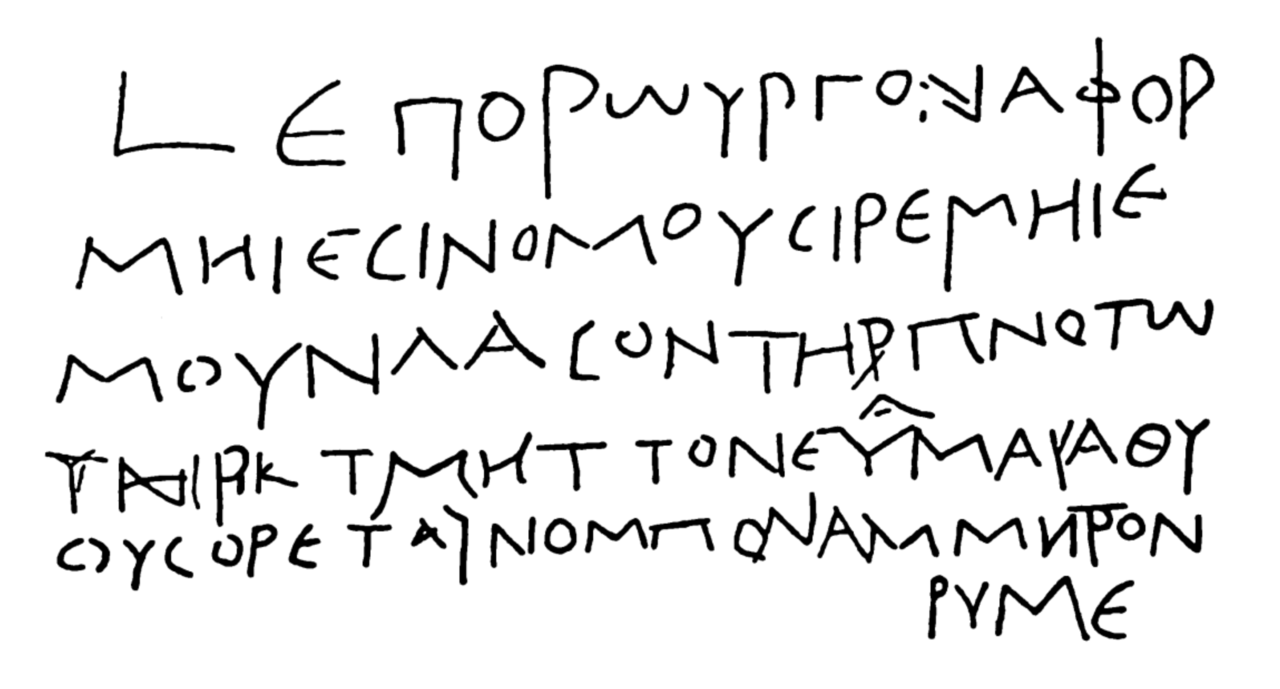


Script and orthography
Coptic adopted the Greek alphabet in the early centuries of the common era, supplementing it with several characters from the demotic script to represent Egyptian sounds not found in Greek. This adapted writing system is called the Coptic script. The decision to use a primarily Greek-derived orthography reflected the bilingual environment of Egypt after the Hellenistic period and facilitated the production of Christian and secular texts. The adoption of Greek letters is closely tied to the presence of the Greek alphabet and contact with the Greek language.
Dialects and linguistic features
- Sahidic: once the leading literary dialect of Upper Egypt, widely used in manuscripts.
- Bohairic: a Nile Delta dialect that became the standard liturgical form of the Coptic Church.
- Other dialects: including Akhmimic and Fayyumic, which preserve local phonetic and lexical differences; see general notes on dialects.
Coptic preserves a richer vowel system than earlier Egyptian writing shows and displays grammatical structures that make its Afro‑Asiatic roots clear, even as it reflects centuries of language change and borrowing.
History and literature
Coptic literature flourished between roughly the 2nd and 13th centuries CE. A large body of Christian texts survives—liturgies, biblical translations, sermons and hagiographies—alongside non‑Christian works. Important discoveries of Coptic manuscripts, such as the Nag Hammadi codices, have been influential for studies of early Christianity and Gnosticism. From the medieval period onward, spoken Coptic gradually yielded to varieties of Arabic, particularly Egyptian Arabic, while the language continued in church rites associated with the Coptic Orthodox Church of Alexandria.
Modern status, revival and cultural importance
By the early modern era Coptic had largely ceased to be a vernacular; reports indicate native speakers persisted in some communities until a few centuries ago. Since the 19th century there have been scholarly and community efforts to revive Coptic as a spoken and cultural language. The Coptic community, or Copts, and academic projects have promoted instruction, liturgical use and publications; see initiatives for language revival. Today Coptic functions mainly in religious contexts and as an object of linguistic and historical research.
Notable facts and distinctions
- Coptic is the only direct descendant of ancient Egyptian with a full alphabetic script.
- Its texts bridge the gap between hieroglyphic/demotic records and later Egyptian speech.
- The liturgical survival of Bohairic gives Coptic a continuous cultural role despite its loss as a common spoken tongue.
Researchers and students approach Coptic from linguistic, theological and historical angles; its manuscripts remain primary sources for understanding late antique Egypt and the transition from Pharaonic, classical and Hellenistic periods into the medieval Islamic era.
Questions and answers
Q: What is Coptic or Coptic Egyptian?
A: Coptic or Coptic Egyptian is an Egyptian language.
Q: How many people used to speak Coptic in Egypt?
A: Until at least the 17th century, many people in Egypt used to speak Coptic.
Q: What new writing system was used to write Egyptian in the 1st century?
A: Egyptian began to be written using the Greek alphabet in the 1st century.
Q: What is the Coptic script?
A: The Coptic script is an adapted Greek alphabet with the addition of six or seven signs from the demotic script to represent Egyptian sounds the Greek language did not have.
Q: What are the two most common dialects of Coptic?
A: The two most common dialects of Coptic are Sahidic and Bohairic.
Q: Is Coptic similar to the earlier Egyptian language written in the hieroglyphic script?
A: Yes, Coptic and demotic Egyptian are very similar to the earlier Egyptian language written in the hieroglyphic script.
Q: What happened to Coptic as a spoken language?
A: Coptic was supplanted by Egyptian Arabic as a spoken language toward the early modern period.
Related articles
Author
AlegsaOnline.com Coptic language (Coptic Egyptian) Leandro Alegsa
URL: https://en.alegsaonline.com/art/22988
Sources
- glottolog.org : "Coptic"
- cdm15831.contentdm.oclc.org : Coptic Encyclopedia;