
Pope Shenouda III of Alexandria
Pope Shenouda III (1923–2012) was the 117th Pope of Alexandria and Patriarch of the See of St. Mark, a leading figure in the Coptic Orthodox Church whose long papacy shaped modern Coptic life and institutions.
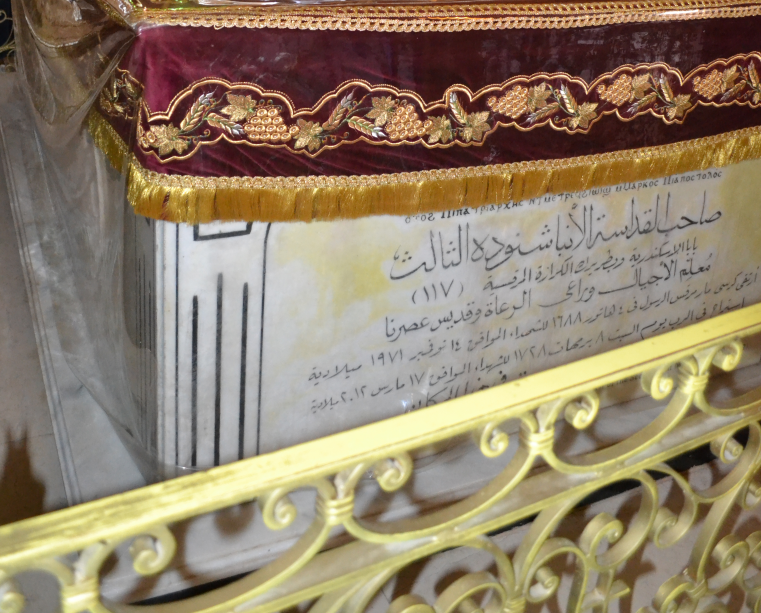
Pope Shenouda III served as the 117th Pope of Alexandria and Patriarch of the See of St. Mark for over forty years, from his election in November 1971 until his death in March 2012. Born in Egypt on 3 August 1923, he became one of the most prominent Coptic leaders of the late 20th and early 21st centuries, recognized for his pastoral influence, organizational reforms, and prolific teaching.
Image gallery
8 Images




Early life and monastic formation
After a period of secular education and early professional life, he embraced monasticism and theological study, dedicating himself to parish ministry, catechesis, and the spiritual formation of clergy and laity. His background combined pastoral experience with attention to education, which later informed many of the institutional changes he promoted as patriarch.
Leadership and reforms
During his papacy he guided the Coptic Orthodox Church through demographic changes, urban migration and new challenges for Christian communities in a predominantly Muslim country. He emphasized clergy training, reopened and expanded seminaries and Sunday school systems, supported construction of churches and monasteries, and encouraged publishing and radio/television ministry to reach a dispersed flock. Administratively, he reorganized dioceses and strengthened institutions that provide social services, education and health care.
Relations, theology and public role
Pope Shenouda maintained active dialogue with other Christian traditions and international churches while insisting on the theological distinctives of the Coptic Orthodox faith. He also acted as a public representative of Egypt’s Coptic community in relations with successive Egyptian governments, balancing cooperation on social questions with vocal advocacy for religious rights and community security. His style combined conservative theological positions with a pastoral emphasis on the life of the local church.
Writings, legacy and death
He was a prolific preacher and author, producing sermons, pastoral letters and books on spirituality, biblical exegesis and church life. His teachings shaped generations of Coptic clergy and laity worldwide and helped institutionalize modern programs for catechesis and charity. Pope Shenouda III died on 17 March 2012 in Cairo, Egypt, reported to be from complications of respiratory and renal failure. His long incumbency left a lasting imprint on Coptic identity, education and ecclesial organization.
- Tenure: November 1971 – March 2012 (over 40 years)
- Contributions: expanded clergy education, social services and media outreach
- Reputation: influential teacher, administrator and advocate for Coptic life
Author
AlegsaOnline.com Pope Shenouda III of Alexandria Leandro Alegsa
URL: https://en.alegsaonline.com/art/128934